
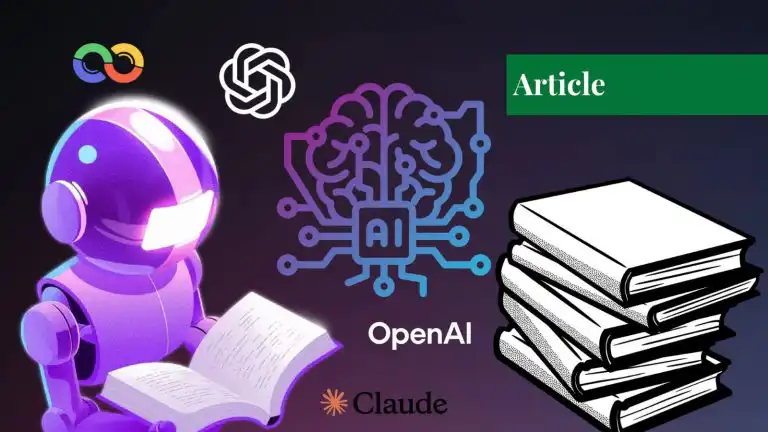
A book can survive being unwanted. Someone leaves it outside a shop, donates it, or sells it for a few rupees. Another reader takes it home. Being wanted by an AI company can end differently. The binding comes off. The pages pass through a scanner. A digital copy is saved, and the paper original is discarded. The company has obtained what it came for.
This is part of the documented history of Anthropic, the company behind Claude, an AI assistant that answers questions and produces text. A June 2025 US court order describes the company purchasing millions of print books, having them dismantled and scanned, and discarding the originals. It assembled an internal collection from purchased and pirated sources, selecting portions for model training. The operation became known as Project Panama, detailed in reporting by The Washington Post.
I keep returning to the physical sequence. Someone wrote a book. Someone edited, printed, and bound it. It passed through shops, perhaps through several readers. Eventually, a company decided that its contents were worth acquiring, while the object holding them could go.
Ray Bradbury gave us a frightening image in his famous novel Fahrenheit 451. It presents a future American society where books have been outlawed and “firemen” burn any that are found. It is tempting to place this story beside his and stop there. But the difference deserves attention. Bradbury’s books are destroyed to prevent people from reading them. These books are dismantled because companies want to make use of the writing.
Their contents have become commercially valuable in a new way. What troubles me is how little that tells us about their future availability to readers.
A Training Collection Is Not a Public Library
Books give AI developers substantial stretches of organised writing: explanations followed through, arguments developed across chapters, stories whose characters remain recognisable over hundreds of pages. Training involves using examples of text to adjust how a system produces language. It does not mean placing a librarian inside a computer.
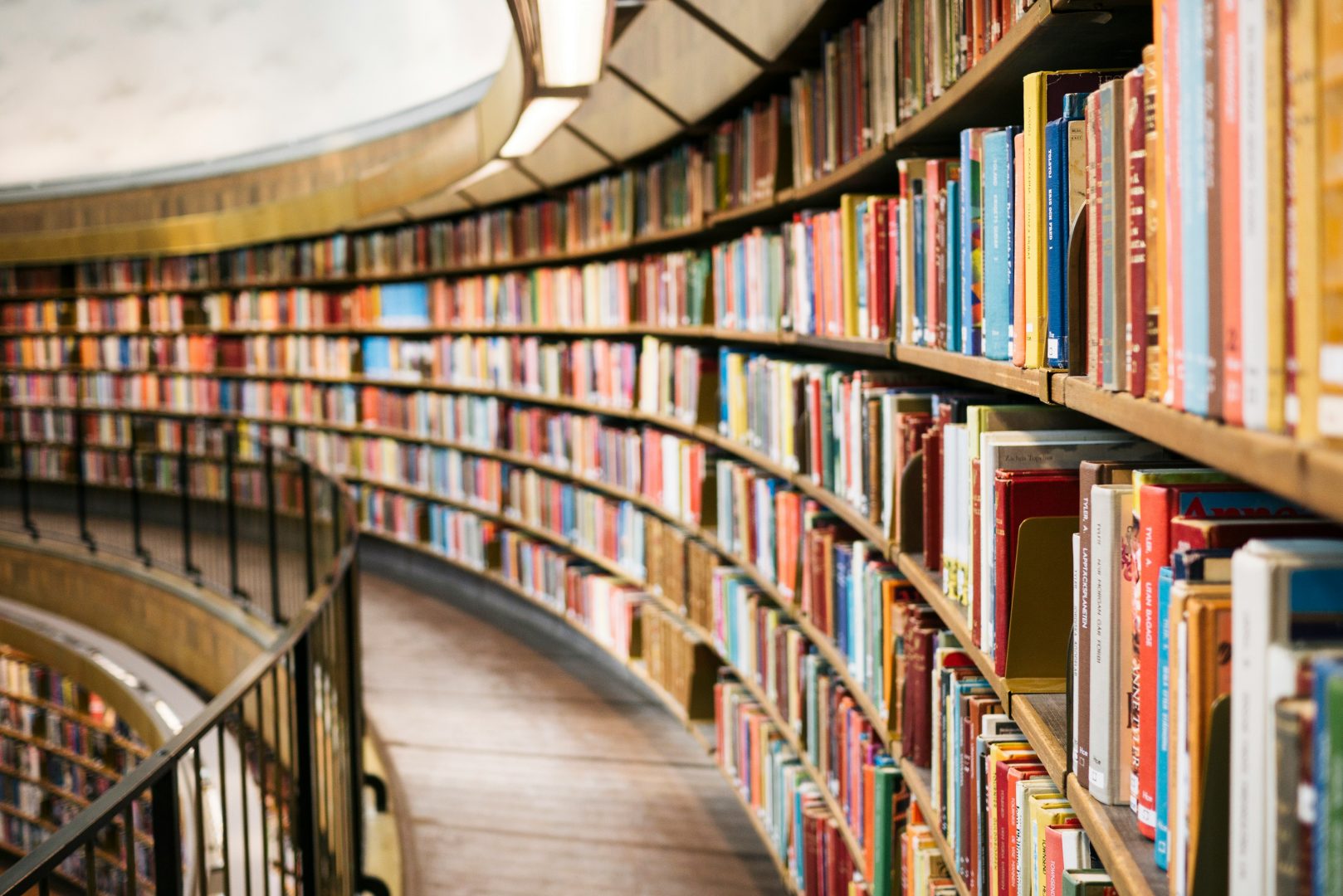
That distinction matters. A chatbot trained using a book does not necessarily offer access to that book. Asking it a question is different from opening the original, examining a passage and checking the surrounding argument. The company may retain a searchable collection. The reader outside it has no corresponding guarantee.
In August 2026, 404 Media reported another operation. Its journalists placed a tracking device in a book shipment and followed it to an Amazon facility in Las Vegas. Employees described books arriving, having their bindings cut off, and being scanned. In a follow-up interview, a worker described loose pages being thrown together after scanning, leaving the books impossible to reassemble. These accounts concern Amazon’s operation and should be attributed as reporting, rather than treated as proof of what happens at every scanning facility.
What the Court Ruling Allows
Buying the books makes the story more complicated than a straightforward accusation of theft.
In the Anthropic case, Judge William Alsup distinguished between several uses. The June 2025 order found the training use at issue to be fair use. It separately accepted replacing purchased print copies with internal digital copies, with the originals destroyed and replacements not redistributed. It rejected the argument that building a general library from pirated copies was justified merely because training might follow. This was a US ruling on particular facts, not permission for every possible use of a purchased book.
Yet a copyright judgment cannot answer every question about what should happen to a physical collection.
What a Scan Leaves Out
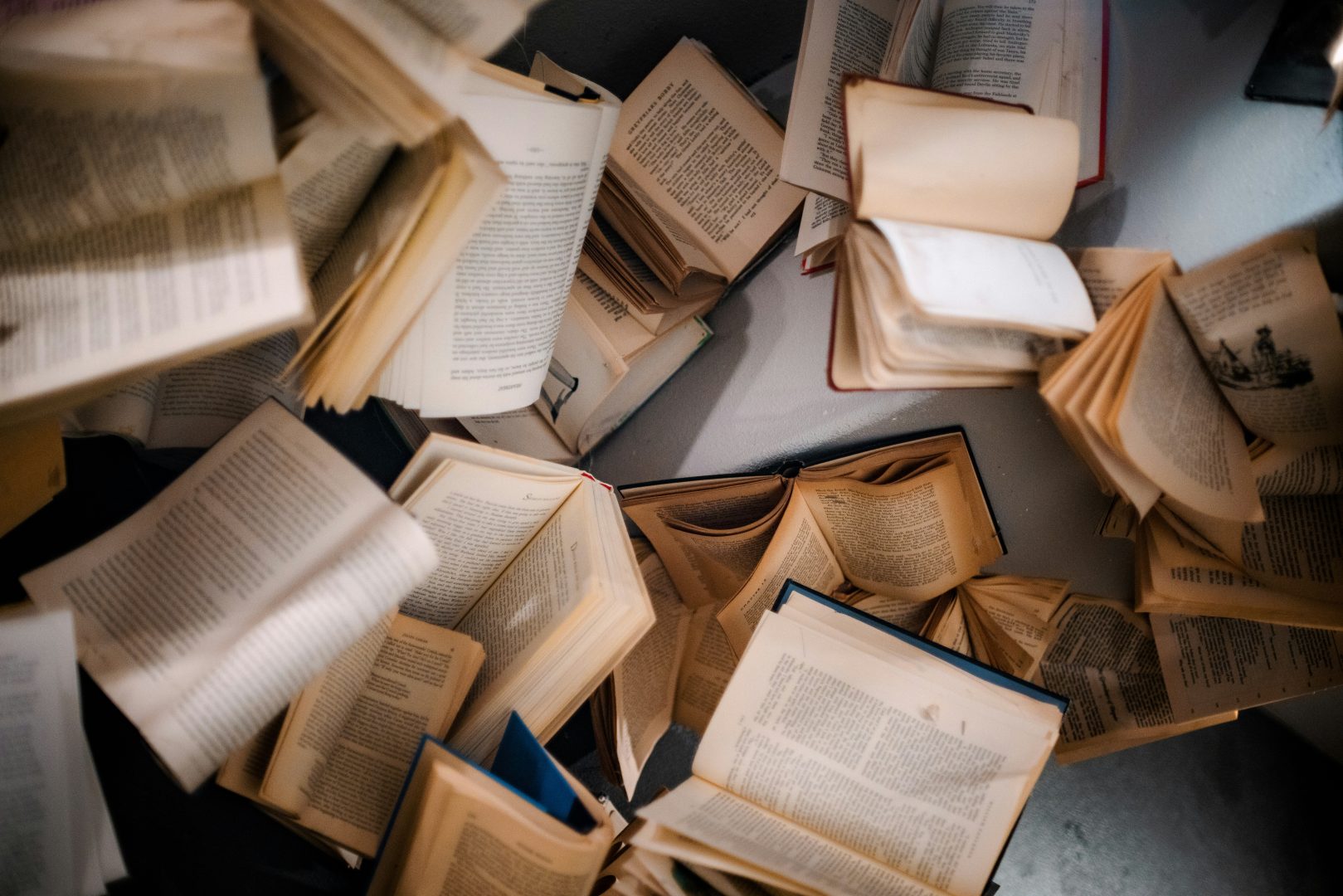
Imagine two copies of the same novel. One is an ordinary paperback, easily replaced. The other contains a reader’s dated notes, a dedication, and corrections written beside the printed text. The sentences of the novel may be identical. The copies have different things to tell us.
A page image might capture the handwriting. A text-only conversion might miss it. Neither should be assumed to preserve everything about the binding, the paper, or the relationship between the book and objects tucked inside it. What survives depends on what someone thought worth recording.
This is why the phrase “we scanned it” needs a follow-up question: what did the scan preserve?
There is no need to claim that every book passing through these operations is rare. Being old does not mean being irreplaceable, and some used copies have little chance of finding another reader. Digitisation can also make fragile texts more accessible. An argument that ignores those benefits will convince few people beyond those already angry.
But the difference between a replaceable copy and a significant object has to be recognised before the blade comes down.
The Library of Congress’s digitisation guidelines offer a useful comparison. They start by asking who will use the digital files, how they will be accessed and what will happen to the original in digitisation. They also require equipment and handling that are appropriate to the material, including supports for books, and restrictions on feed-through scanning for fragile or valuable collections.
Those questions are practical. They concern budgets, staff, equipment, and decisions made at a workbench. A preservation policy is only meaningful if the person handling a questionable copy can stop and have it assessed.
Keeping Books Accessible in Pakistan
This should start a conversation in Pakistan about our own priorities before it becomes another debate about what foreign technology companies are doing.
Think an old Urdu essay collection, a Punjabi poetry volume or a little local history. Before deciding how to digitise it, we should ask if there is another complete copy, if readers can obtain it and if the edition contains material missing from later printings. Those are questions for librarians, researchers, publishers and booksellers who know the collection.
I am not suggesting that Pakistani bookshops have been shown to supply these operations. The relevance is the choice we face ourselves: what kind of digital access do we want to build, and who will be able to use it?
As someone working with language technology, I understand the appeal of material that has never been readily searchable. There are useful things we could build from it. A student might search an old journal without travelling to its library. A researcher could compare editions. A reader could find writing that a publisher has no immediate reason to reprint.
Those benefits require deliberate arrangements for access, permissions, preservation and maintenance. They do not follow automatically from a company acquiring the material.
Responsibilities Beyond the Purchase
Companies buying books at scale should explain how they identify scarce editions, assess unusual copies and check the completeness of their scans. They should also explain whether they can support access through libraries and rights holders. A commercial training collection need not be presented as a public library to justify asking what public benefit might accompany it.
I do not think every paperback must be kept forever. I do think we should hesitate when a process values a book enough to acquire its contents but gives readers so little say in what happens next.
Digital copies should not be our only source of truth to rely on. Having printed originals available allows readers to refer back and check. We can purchase physical books directly from local and independent bookstores, support the authors and publishers fighting against the use of their work without permission, and stay up to date with changes in copyright law. Preserving access to books is also a choice we make as readers.
Before cutting it apart, someone should be able to answer a simple question.
Where can the next reader find it?
If you want to submit your articles and/or research papers, please visit the Submissions page.
To stay updated with the latest jobs, CSS news, internships, scholarships, and current affairs articles, join our Community Forum!
Find our FREE quizzes and MCQs here!
The views and opinions expressed in this article/paper are the author’s own and do not necessarily reflect the editorial position of Paradigm Shift.

Inayat Arshad is an AI researcher and engineer based in Islamabad, holding a BS in Computer and Information Sciences from PIEAS. Her work focuses on low-resource language technologies, where she develops open-source tools and foundational datasets to bridge critical digital divides for underserved communities, particularly Urdu-speaking populations. Additionally, she specializes in multilingual AI safety and explainable machine learning, working extensively to make modern AI systems equitable, transparent, and trustworthy. Outside of engineering, she is an avid reader of classical literature and existential philosophy.