
Introduction
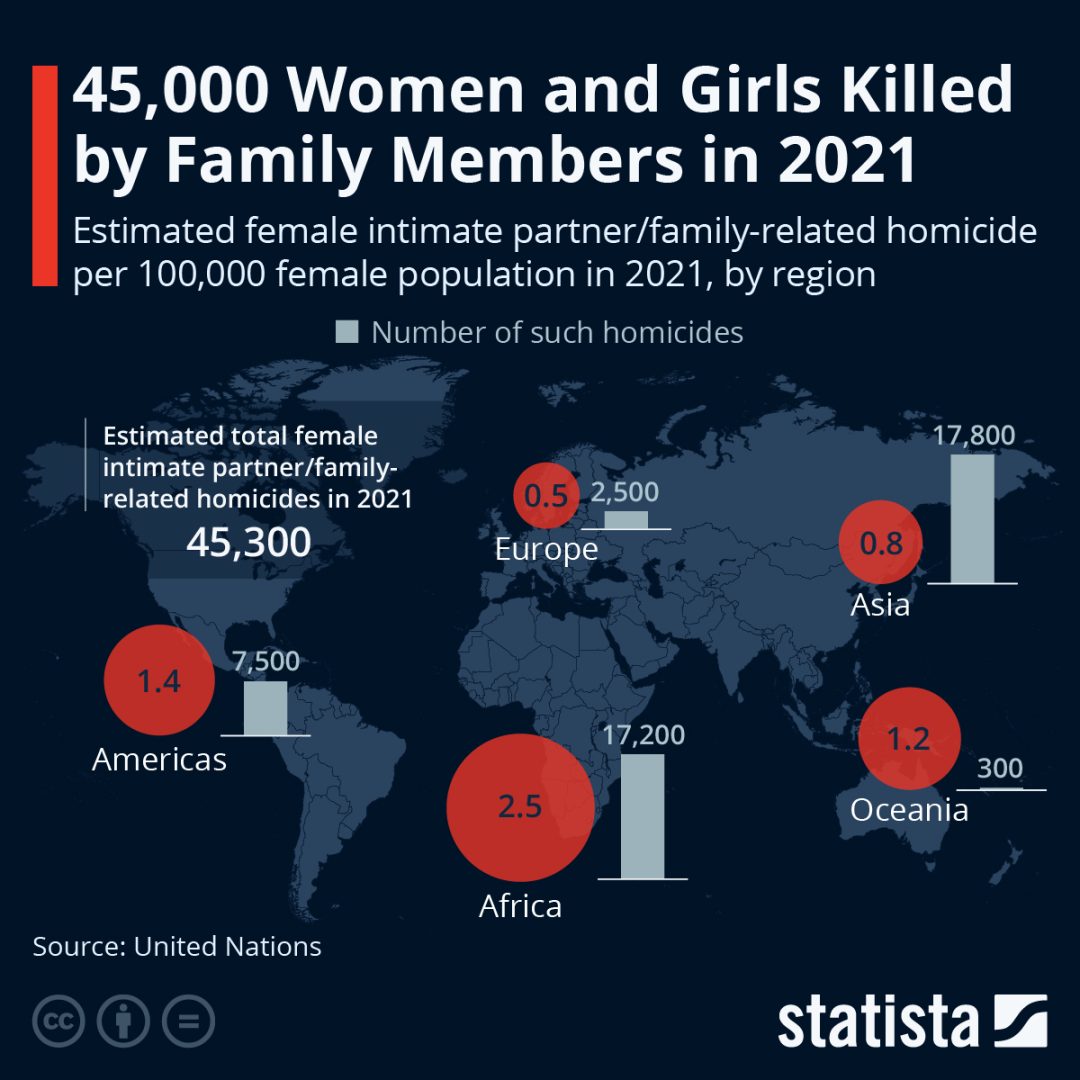
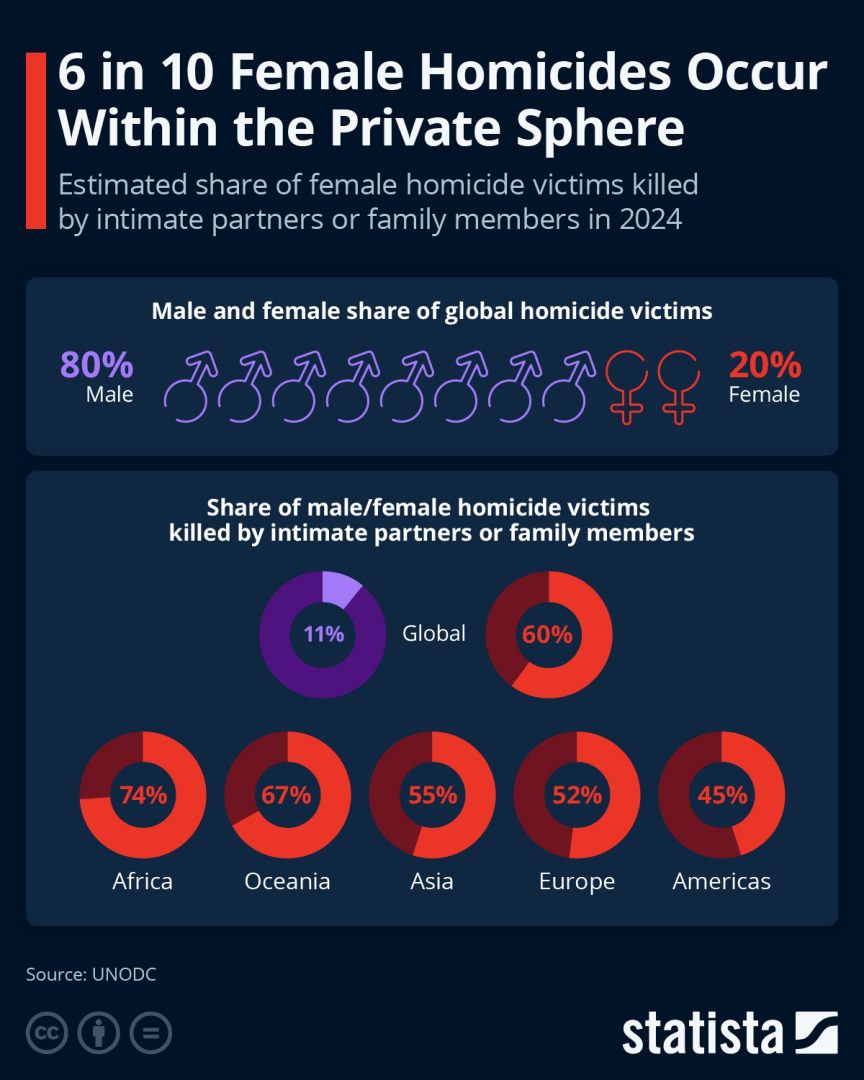
The word “femicide” was primarily used by John Corry in 1801 to denote the killing of a woman. This concept further gained popularity in the late 1970s when the famous writer and human rights activist Dr. Diana Russell from the United States used it to indicate the murder of women by men because of their gender. Those men are usually family members or intimate partners. It is the worst form of gender-based violence in the modern world. The most recent report by the United Nations Women shows that the femicide of one woman or girl is committed every minute all over the world.
Latin America is one of the most severely affected regions by femicide. According to the Economic Commission for Latin America and the Caribbean (ECLAC), in 2023 the reported victims of femicide in 27 countries of Latin America were 3897. This means 11 women were being killed every day.
After experiencing higher rates of gender-based violence, the convention was named the “Belém do Pará Convention” in 1994 during the session of the Organization of American States. In this convention, the violence against women was identified as a violation of human rights. It was recognized that women should be given the opportunity to live their lives to the fullest without any fear of not being secure in the environment around them.
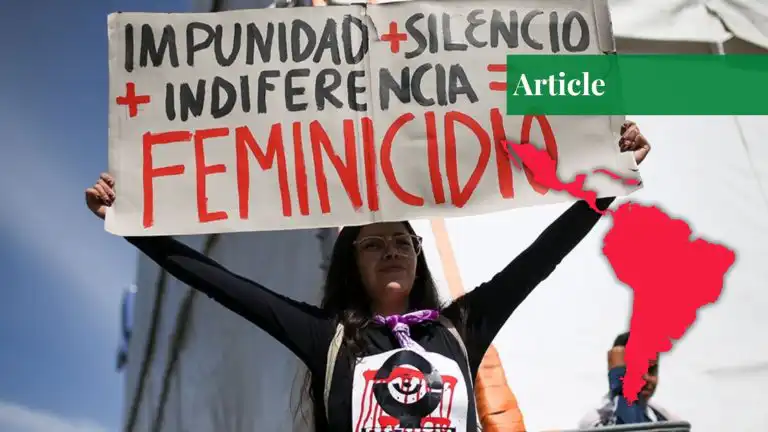
The percentage of reported cases of femicide in Latin America is comparatively low because of the distrust of families in the justice system and society, as the investigations of these cases are mostly biased or insufficient. Furthermore, in some states, it is still not recognized as a crime. Countries like Brazil, Mozambique, Honduras, the Dominican Republic, etc., have the worst situation.
The National Public Security System of Mexico reported that in 2021, the number of women killed was 2,104, and 736 of them were cases of femicide. In most cases, people in society start the character assassination of a woman instead of demanding an investigation. For example, a woman named Lesvy was murdered on her university campus in Mexico City. It was an evident case of femicide, but people, instead of demanding justice, started blaming her for being drunk and having a party. All these things should never be the justification for murder.
The feminist movement emerged in Latin America in the 1960s, after decades of violence against women by men. All the women deprived of basic human rights (IWAL), including the right of access to justice, freedom of speech, etc., actively participated in these movements. The most popular feminist movement nowadays is “Marea Verde” (Green Wave), symbolized by a green handkerchief. It started in the early 2000s in Argentina and gained popularity later on. It works for women’s reproductive rights, safety, and autonomy. One of its key successes is legislation on abortion in Argentina, Mexico, and Colombia. Women in Latin America are now actively participating in these movements to ensure their basic human rights.
Types of Femicide
In Latin America, there are four different classifications of femicide.
- Intimate femicide is the category in which a woman is killed by a man with whom she has an intimate connection or bond. The majority of femicide cases fall in this category.
- Non-intimate femicide is committed by a person having no physical or sexual intimacy with the woman. They might be family members, friends, or strangers.
- Accidental femicide mostly occurs as a result of actions that were not intended to murder or harm a woman.
- Sexual femicide is committed through violent and ruthless sexual abuse.
Causes of Violence against Women
There are several different causes of these violent activities. From a feminist perspective, the reason in Latin American countries is social discrimination against women in society. This inequality leads to violence against women (VAW) and biases in providing justice. The men committing femicide are not held accountable for their brutal actions by the government, even in this secular and liberal world. This coerced women to demand their rights on the streets through protests and feminist movements. It is the only way through which women gained the attention of global human rights organizations and people working for the rights of women. Now the worst situation of women in Latin America is seen all over the world.
Another cause of high rates of femicide in the region is the lack of legislation on this matter. Many countries still don’t have any severe punishment for the persons committing this crime. In some countries, it is not considered a serious crime, even if it is associated with domestic abuse. However, it is different from domestic violence. The majority of men perpetrate this crime due to childhood trauma, such as experiencing and witnessing the abusive activities committed by their father, facing rejection and negligence from parents (especially fathers) in growing years, a record of family violence, financial instability, etc.
Impunity leads to the erosion of trust in judicial institutions. The cases related to femicide often face a lack of investigation and negligence in punishing perpetrators. Mostly, the criminal justice system is not effective enough to provide justice. For these reasons, men become more fearless in committing this crime, and women lose confidence in national institutions.
Conclusion
Women in Latin America should be given opportunities to participate in political activities, the education sector, and the labor market. A large number of women in parliament would automatically lead to an increase in legislation related to violence against women (VAW). Similarly, when a significant amount of the women population is in educational institutions, in the form of students or teachers, the awareness among the public would be enhanced.
Teachers should contribute to creating awareness among students regarding femicide as a crime. It would transform the perspective of future generations. It is the most peaceful and harmonious way to transform the mindset of the whole nation. The rule of law is also very crucial for rebuilding the trust of women in the judicial system of Latin American countries. The government should provide equal access to justice to all citizens irrespective of whether they are men or women. Men committing femicide should be held accountable, and law enforcement should be effective.
If you want to submit your articles and/or research papers, please visit the Submissions page.
To stay updated with the latest jobs, CSS news, internships, scholarships, and current affairs articles, join our Community Forum!
Find our FREE quizzes and MCQs here!
The views and opinions expressed in this article/paper are the author’s own and do not necessarily reflect the editorial position of Paradigm Shift.

Ms Jaweria Naseem is currently pursuing her Bachelor's in International Relations from International Islamic University, Islamabad.