

From a Bird’s-eye View
While the rape cases of 32-year-old doctor Moumita Debnath and 23-year-old Jyoti Singh ignited public demonstrations across India, many teenage girls and women are still waiting for justice to be delivered. Dr. Momitta was on her duty when she was brutally raped within the premises of the hospital on August 9, 2024. On the other hand, Jayota was traveling with her friend in the bus when she was attacked, beaten, and raped to death by six persons. The public outrage and demonstrations over these two cases must be attributed to an era of technology, yet many cases of gender-based violence in India go unreported. Additionally, their parents were vociferous enough to stipulate justice for their daughters.
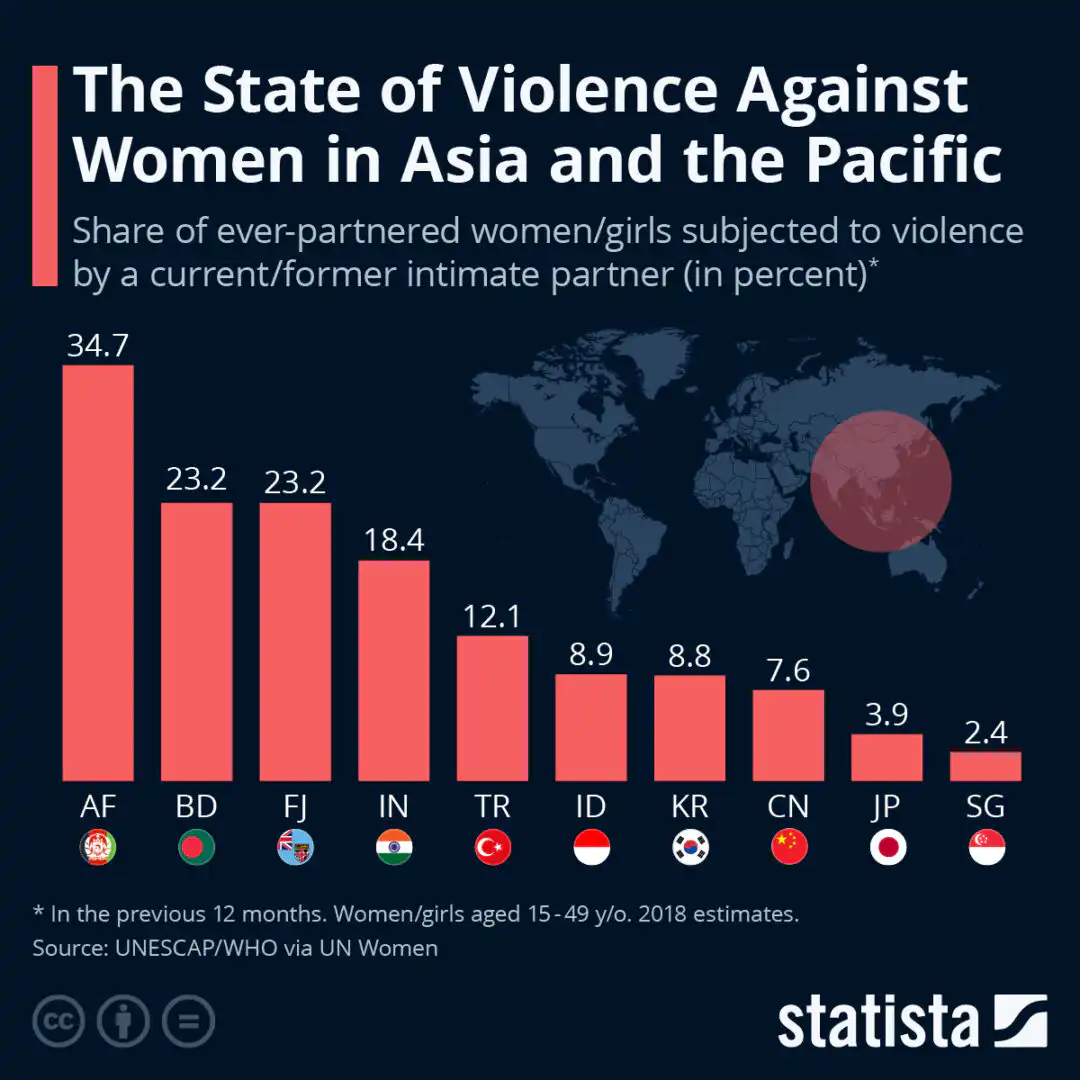
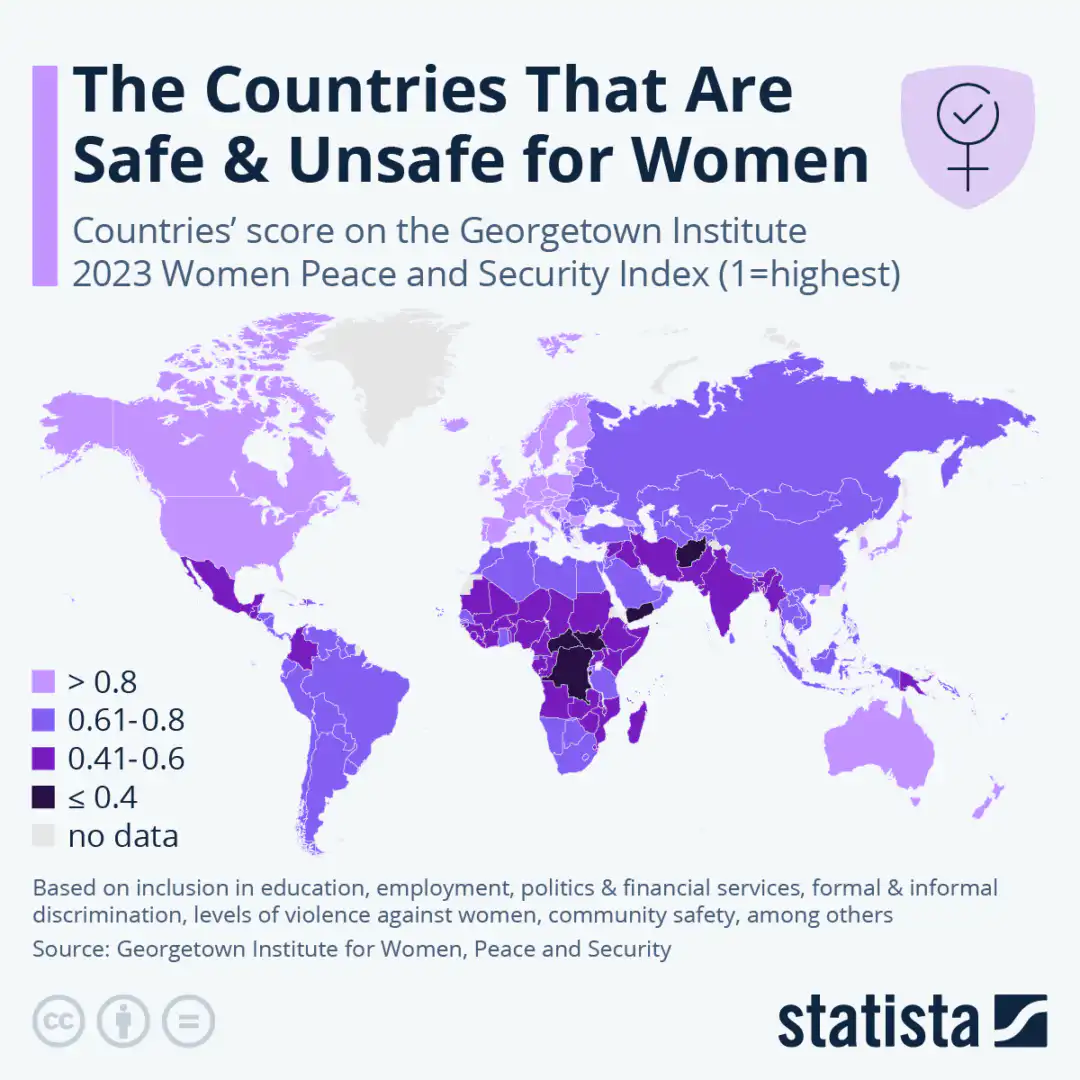
India has been declared one of the most dangerous countries for women across the globe. Additionally, it also stands at 140th out of 156 countries on the Economist’s rankings of women’s economic opportunity 2021. Under the Indian Penal Code, crimes against women encompass rape, harassment, femicide, molestation, homicide for dowry, abduction, and importation of girls.
The report released by the National Crime Records Bureau reveals that there were a staggering 445,256 cases of crime against women in 2022, translating to approximately 51 FIRs every hour. This marked a notable increase from 2021, which recorded 428,278 cases. Shockingly, the majority of crimes against women were categorized as cruelty by the husband or his relatives (31.4%), followed by kidnapping and abduction (19.2%), assault with intent to outrage modesty (18.7%), and rape (7.1%).
Political Representation of Women in India
India stands 143rd in the monthly list of countries contingent on women’s representation in the Parliament, issued by the Inter-Parliamentary Union, a global organization for national parliaments. The representation of women MPs has marginally increased from 5% to 10% between 2004 and 2014 and currently stands at 12%. On the other hand, the representation in state legislative assemblies has remained around 9%. This can be attributed to patriarchal society, discrimination based on caste divisions, and the ascendancy of fewer business tycoons over Indian politics. This makes for a little progress in preserving the rights of women in India.
In 2023, the “Women’s Reservation” bill was approved after 27 years in the Indian Parliament, which stipulated reserving a two-thirds majority for women in the Lok Sabha and Vidhan Sabhas. Despite that, it would be implemented when the next government holds a census, followed by a delimitation exercise for the Lok Sabha and state assemblies. If the next government completes the census by 2026 by burning the midnight oil, the implementation could begin by 2029.
Femicide: A Grim Picture of the Situation of Women in India
The National Crimes Records Bureau reports that women are raped in India every sixteen minutes. This can be demonstrated by the preponderant rape cases reported in Indian history. In 2018, an eight-year-old girl was raped and assassinated in a temple. Later, Hindutva ministers marched in support of the assassin. Additionally, in 2022, the assassination case of 27-year-old Shraddha Walkar was doing the rounds in the Indian media. She was reported to have been strangled and cut into pieces before being stored in the refrigerator by her husband.
Furthermore, in 2023, the Indian athletes who won medals in the Olympics and the Commonwealth demonstrated against sexual harassment by the former Wrestling Federation of India chief and BJP leader, Brij Bhushan Sharan Singh. When the Modi government refused action, the wrestlers marched towards the Parliament and were apprehended by the police.
In the same year, a 19-year-old Dalit woman was raped and murdered by upper-caste Hindus. Additionally, the police, instead of handing over the dead body to the victim’s family, burned her body without her family’s permission. On the other hand, upper-class people continued to call her immoral while supporting the assassin. On May 20, 2023, a 16-year-old girl was stabbed 21 times on a busy road in New Delhi. She couldn’t survive because her skull was ruptured, too. Moreover, in March 2021, a woman with chronic brain tumors was stabbed to death by her husband owing to his frustrations with medicines and treatment bills.
The 2020 gang rape of a 19-year-old girl in northern India’s Hathras district and her death weeks later in a hospital triggered nationwide outrage. This doesn’t stop here, and many others are down the list who have met the same destination for different purposes and in various ways. In 2005, a study conducted by Dr. Anvita Lakhani, an assistant professor of law at the City University of Hong Kong, revealed that many women in India have been subjected incessantly to being burned by their husbands and in-laws for not bringing an ample dowry. The National Crimes Bureau in India’s 2021 report reveals that 13,534 cases were registered in the country under the Dowry Prohibition Act of 1961.
Harassment: The Tip of the Iceberg
Eve-teasing is a term euphemistically used for molestation and sexual harassment against women in India. Since the crime carries little comeuppance, most such cases either go unreported or the perpetrators are granted acquittal. The penalty is up to 3 months’ incarceration and a fine. Additionally, such cases are regarded as easily bailable. According to the NCRB report, 15,465 cases of crime committed against women in Bengaluru remain pending in court, while the trial pendency rate stands at 93.8 percent. Additionally, 871 police investigations remain pending, while the investigation pendency rate stands at 20.8 percent.
Acid Attacks Against Women
Acid attacks are highly common in India despite a ban on the sale of acids. These cases are engendered by the retribution directed towards women for rejecting marriage proposals and the presence of weak laws for preserving the dignity of women in India. According to Statista, there were 71 cases of attempted acid attacks across India in 2022. The rate remained higher in Uttar Pradesh and West Bengal. This can be attributed to time-consuming judicial processes that impede the delivery of justice. During the period of adjournment, the victim’s family is compelled to bear heavy financial expenses, leading them to refuse to resort to courts to demand justice.
| Year | Number of Cases Reported |
|---|---|
| 2014 | 309 |
| 2015 | 222 |
| 2016 | 167 |
| 2017 | 244 |
| 2018 | 228 |
| 2019 | 240 |
Loopholes in the Existing Legal System of Justice for Women
According to the NCRB, despite a tremendous rise in the rate of gender-based violence, the conviction rate remained below 28% in India. Senior criminal lawyer Rebecca M. John, who has represented sundry rape cases, recounts that one of the contributing factors to burgeoning rape cases is still that there is no application of law. The poor policing is like adding fuel to the injury. She further states that culprits take their motivation from the belief that they can easily get away with their crimes. Additionally, after the introduction of harsh sentences for perpetrators, namely lifetime incarceration and the death penalty, judges are reluctant to grant punishment if they have some skepticism over whether the testimony meets the prerequisite standards for a conviction. Consequently, they resort to not imposing stringent penalties on culprits.
Conclusion
Gender discrimination and violence against women have persisted in every nook and cranny of the globe. However, many countries have overcome it through a consistent policy framework and awareness. Despite this, the rate remains higher in the conflict-ridden countries and the Global South. While South Asia is still confronting the issue, the situation in India is spiraling out of control. One of the biggest contributing factors remains the lack of representation in politics and the absence of a legal framework to uphold the probity and dignity of women in India. Additionally, rape and harassment cases have been reported in government departments, the police, and the Indian Air Force. To confront challenges, women must hold the keys to developing policies for establishing an accountability framework, ensuring that victims of gender-based violence in India receive justice.
If you want to submit your articles and/or research papers, please visit the Submissions page.
To stay updated with the latest jobs, CSS news, internships, scholarships, and current affairs articles, join our Community Forum!
The views and opinions expressed in this article/paper are the author’s own and do not necessarily reflect the editorial position of Paradigm Shift.

Qirat Mirza is currently pursuing her bachelor’s degree in international relations from International Islamic University Islamabad. She is also a writer for Modern Diplomacy, International Affairs Forum, Pakistan Today, KIIR, CISS AJK, and Pak Observer. Recently, she completed a six-week internship at the Kashmir Institute of International Relations and the Inter-Services Public Relations (ISPR) to foster her academic insights and gain practical experience.