

Noor ul Sabah is a researcher focused on intersectional approaches to gender, governance, and technology. Her work explores how power and identity shape experiences of violence, migration, and citizenship.
Kasol, a small village in India’s Himachal Pradesh, is often seen as a peaceful Himalayan getaway. Many Indian tourists come here to take a break from busy city life. The village is also popular among young Israelis, especially those visiting India after finishing military service. Kasol is known for its calm mountains, yoga retreats, and relaxed lifestyle. However, this peaceful image does not show the full picture. Sometimes, the area makes news when Indian citizens are not allowed into certain places in Kasol.
This essay raises concerns about access and control in a region that is part of India. It draws on four intersecting layers: geographic placement, drug economy, cultural influences, and military-intelligence collaboration. Together, these dimensions reveal how a tourist-loved town has become a miniature intelligence hub with far-reaching implications.
Strategic Importance of Kasol
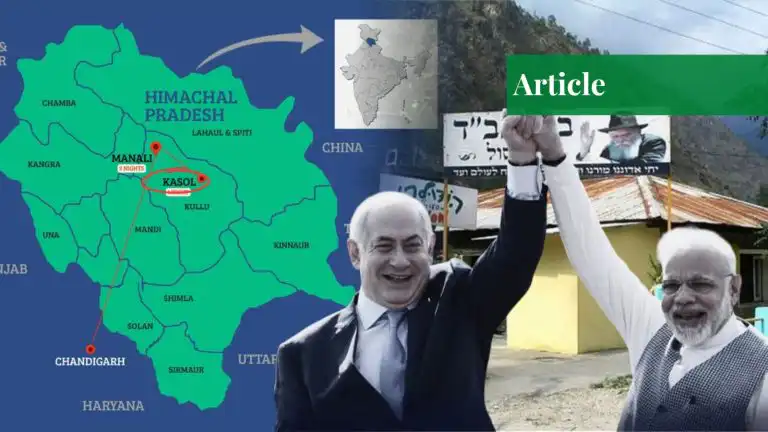
Over the past two decades, Kasol has evolved into more than just a tourist hotspot. Its location places it at the heart of three critical geopolitical zones. To the northwest lies Kashmir, an area with a long history of conflict and military buildup, and to the northeast is the contested border with China. Finally, to the south and west are the internal defense hubs of Shimla and Manali, which support strategic mobilization and logistics.
Together, these three axes form a triangle of heightened military relevance. Kasol’s placement in this triangle gives it quite strategic value. Its altitude and terrain allow individuals to acclimatize for operations in high-stress and high-altitude zones. This includes activities like border patrol, surveillance, or rescue. Moreover, its remoteness ensures fewer eyes on the ground. This offers an ideal cover for discreet movement and foreign presence.
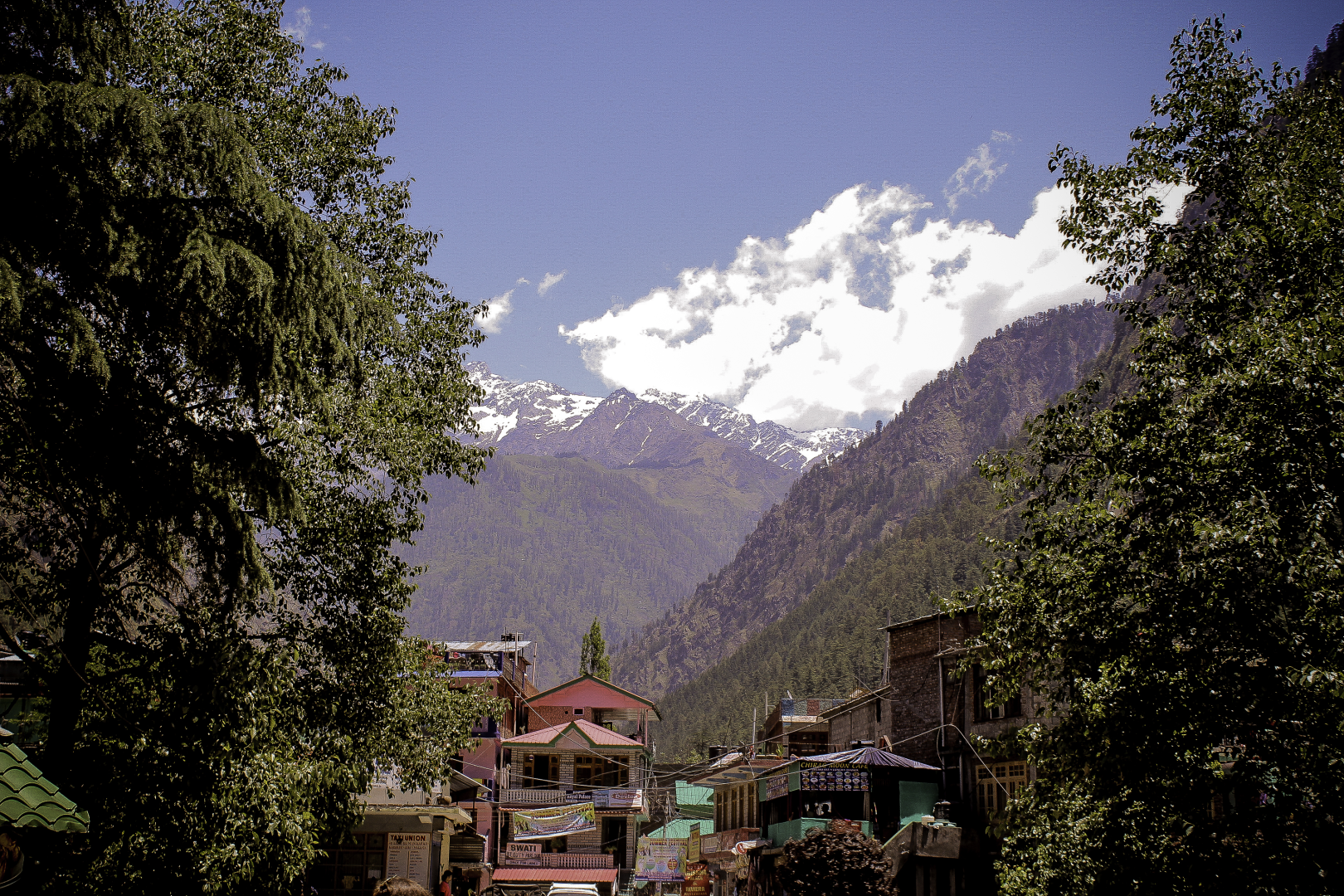
All these factors make Kasol valuable not only as a tourist retreat but also as a training and operational zone. The area has seen an unusual concentration of Israeli visitors, semi-permanent settlements, and cultural influence. While this is often explained through tourism patterns, the scale and nature of the presence suggest deeper links.
Drug Economy
Alongside its scenic charm, Kasol is also known for its thriving hashish culture. Foreign visitors, particularly young Israelis, are widely reported to engage in open drug consumption. This normalization of drug use is often explained as a cultural phenomenon, but it potentially acts as a shield for deeper networks. The region’s proximity to the Indian state of Punjab, which continues to face a severe drug crisis, hints at broader circuits of production and transport. These routes potentially feed into international flows of capital, trafficking, and intelligence funding.
A 2016 Al Jazeera investigation noted how Israeli authorities often “turn a blind eye” to drug influxes. In certain contexts, drug networks are not only tolerated but potentially used for broader strategic aims. The drug culture in India, particularly in Kasol, provides camouflage for Israelis carrying out covert operations. Some call this system “narco-intelligence.” The profits from drug economies can then support the logistics of unofficial operations, recruitment, and cross-border movement.
Cultural Presence
Beyond drugs, cultural infrastructure plays a significant role in shaping influence. Kasol is filled with Hebrew signboards, Israeli cafés, and music events that celebrate Tel Aviv’s underground culture. Public spaces prioritize Hebrew over local languages. This cultural footprint is often seen as a side effect of tourism, but its scale and permanence suggest a more intentional presence.
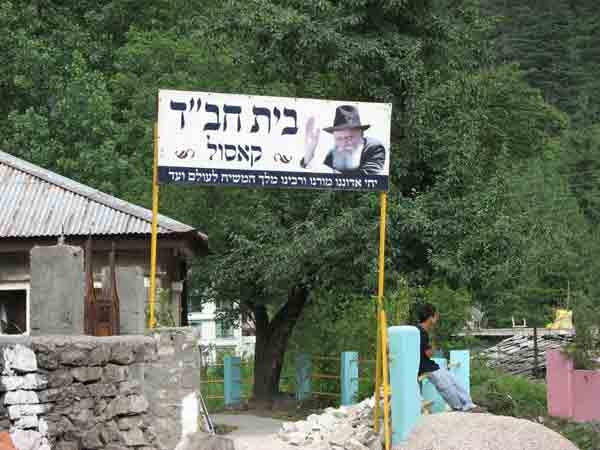
Far from being casual tourists, around 70% of Israeli visitors arrive in Himachal Pradesh every year, turning this beautiful destination into a Jewish settlement. Institutions like Chabad Houses, while framed as religious centers, play a dual role. The Chabad House in Kasol is frequently linked to intelligence work, and similar concerns led to the expulsion of a Chabad couple in Kerala in 2012.
These networks often use progressive language such as “LGBTQ advocacy” to gain local trust and reduce scrutiny. Such soft power tools normalize the presence of Israelis in India while embedding it deeper into the local landscape, allowing for surveillance, communication, and social influence without appearing overtly political or militarized.
Military Cooperation & RAW-Mossad Nexus
Apart from layered influences, the strong cultural and commercial presence in Kasol supports a deeper layer of cooperation. This involves the partnership of military and cyber intelligence. India and Israel have developed a close defense partnership over the past two decades. Israel supplies India with drones, radar systems, signal jammers, and cyber surveillance tools. These technologies are not just for border security but also for internal intelligence operations.
In 2021, the two countries signed a cyber defense agreement aimed at enhancing communication security and digital warfare capacity. At the core of this collaboration is Unit 8200, Israel’s elite cyber-intelligence agency. Reports suggest that this unit is linked to low-profile training and data operations in regions like Kasol. By operating within tourist and cultural spaces, they use the region’s infrastructure for artificial intelligence development and surveillance testing. Kasol, in this context, becomes more than a retreat. It acts as a discreet node connecting Israeli cyber warfare systems with India’s regional intelligence apparatus.
In 2024, the Indian army chief also publicly acknowledged that a two-front war against both Pakistan and China is no longer hypothetical. Preparing for such a scenario requires enhanced surveillance and technological support. This is where the RAW and Mossad relationship becomes critical.
Israel provides India with not just military hardware but also intelligence training and advanced cyber capabilities. Kasol, situated close to both conflict-prone borders, functions as a discreet platform for this partnership. Intelligence-sharing operations based here support monitoring efforts across Kashmir and the eastern border with China. Unlike overt military outposts, Kasol offers plausible deniability. The Indian state benefits from Israeli technical expertise while Israel secures a base with strategic altitude and access. This quiet cooperation allows both countries to prepare for future conflict in a low-visibility yet highly coordinated manner.
Conclusion
As India faces increasing pressure along its borders with Pakistan and China, the need for discreet, technologically advanced coordination has intensified. Kasol offers exactly that: a site with altitude, cover, and deniability. What appears to be a peaceful village of cafés and campsites is, in many ways, a laboratory for quiet power.
Through overlapping layers of drug economy, cultural normalization, and military intelligence cooperation, Kasol has become far more than a tourist haven. It reflects how contemporary geopolitics operate, not through tanks and uniforms but through covert collaboration. The story of Kasol is not just about a village in the Himalayas; rather, it is about the changing nature of warfare, diplomacy, and influence in the 21st century.
If you want to submit your articles and/or research papers, please visit the Submissions page.
To stay updated with the latest jobs, CSS news, internships, scholarships, and current affairs articles, join our Community Forum!
The views and opinions expressed in this article/paper are the author’s own and do not necessarily reflect the editorial position of Paradigm Shift.