Animal Abuse in Pakistan
Imagine walking past a street corner in Karachi and witnessing a dog being thrown from a balcony, or hearing the cries of a camel mutilated in Sanghar. These incidents are not rare anomalies. They are grim reminders of a systemic issue in Pakistan: animal cruelty. While compassion for the vulnerable is often selective in the country, animals in Pakistan, either domestic or framed, bear the burden of societal negligence and weak legal safeguards. The question is not only how widespread this cruelty is but why it continues largely unchecked despite public outrage and animal protection laws.
Globally, Pakistan ranks 14th in overall animal cruelty, according to VACI (Voiceless Animal Cruelty Act). While the country maintains relatively low production and moderate consumption of animal products, it performs poorly in legal protection and enforcement to improve animal welfare.
This creates a paradox where animals suffer disproportionately despite limited industrial exploitation. Therefore, to understand this problem, it requires an examination of how cruelty manifests, how societal habits contribute, and how legal frameworks fail to intervene effectively.
Producing Cruelty
One of the main dimensions of cruelty arises from animal production and farming practices. Pakistan ranks 9th globally in “producing cruelty.” Each year, approximately 5.7 land-based animals are slaughtered per person, and there are about 3.4 farmed animals per person in the country. Most animal production remains small-scale and extensive, yet factory farming is emerging. This raises concerns about overcrowding, poor hygiene, lack of veterinary care to ensure animal health, and inhumane slaughter practices.
But beyond the numbers, these practices also inflict chronic stress and physical harm on animals. Large poultry or dairy farms often prioritize productivity over welfare, with little regard for the basic needs of these sentient beings. Although Pakistan has yet to reach the industrialized levels of cruelty seen in some Western countries, these emerging trends still risk systemic suffering if legal oversight and humane standards remain inadequate.
Consuming Cruelty
The second dimension is linked to dietary habits, which normalize the exploitation of animals. In Pakistan, 42% of the average diet is composed of land-based animal protein. It translates to roughly 27.3 grams of animal protein consumed per person per day. Cultural and religious traditions also shape these cruel practices, which give them strong social significance.
However, how animals are raised, transported, and slaughtered often falls short of humane standards, which raises questions about welfare and treatment rather than dietary choices themselves. Over time, these consumption patterns normalize the exploitation of animals and contribute subtly to societal desensitization.
Forms of Animal Suffering and Cruelty in Pakistan
Animal cruelty in Pakistan takes many forms. Each form exposes a different facet of neglect, violence, weak governance, and lack of responsibility. From homes to streets, farms to fighting pits, animals are subjected to treatment that ranges from silent neglect to deliberate brutality.
Domestic Animals
Pets, particularly dogs and cats, frequently face neglect, abuse, or starvation. Many urban centers have reported incidents of dog fighting, abandonment, and physical harm. For example, on June 8, 2024, a dog was thrown from a Karachi balcony. In July 2025, there was another case where police rescued rabbits, cats, pigeons, and exotic birds from squalid conditions after an influencer posted disturbing footage online.
Cruelty is also normalized through practices such as beating animals under the pretext of training or domestication, where harsh discipline is mistaken for control. These cases remain a stark example of the extreme cruelty companion animals can suffer. Such acts are rarely met with serious legal consequences, which normalizes abuse behind closed doors.
Street Animals and the Stray Dog Crisis
Stray dogs and cats endure some of the harshest conditions. They are routinely subjected to attacks, poisoning, and indiscriminate culling under the guise of population control. According to the Organisation for the Protection of Animals (OIPA), over 50,000 stray dogs are slaughtered or poisoned annually on official orders, while many more die from rabies due to a lack of vaccination and healthcare. Such practices have been widely condemned by animal welfare advocates as both ineffective and inhumane, which showcases a broader democratic and ethical deficit.
Livestock and Working Animals
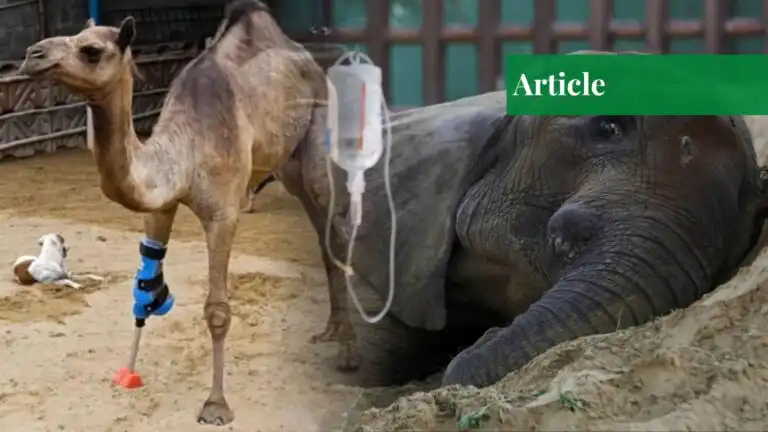
Animals used in agriculture or transport, like camels, horses, donkeys, and oxen, are often overworked, underfed, and kept in poor living conditions. Many are forced to carry heavy loads without rest or adequate nutrition, which leads to chronic injuries. The Sanghar camel mutilation case in June 2024, where a working camel’s legs were deliberately severed, is a shocking example of extreme physical abuse against animals that sustain livelihoods.
Illegal Entertainment
Lastly, organized cruelty in the form of cockfighting, bullfighting, pigeon fighting, and dog fighting still persists despite legal prohibitions. These events combine gambling, public spectacle, and the deliberate infliction of suffering. In March 2025, Four Paws helped rescue Sunny, a dancing bear, and Rocky, a baiting bear used in dog fights.
That July, Punjab Wildlife Rangers busted a network trading exotic predators, seizing 23 big cats, including five lion cubs, from a Lahore home. They are often kept as status symbols before being abandoned when they become unmanageable.
Monkeys are likewise exploited in street performances and forced begging, kept in chains, dressed in costumes, and trained through fear. These practices are illegal under wildlife laws, yet common in urban areas.
All the above-mentioned cases indicate that without proper implementation of laws, stronger penalties, sustained education, and a shift in public attitudes, Pakistan’s animals (wildlife or domestic) will remain caught between profit and spectacle.
Legislation and Institutional Framework
Pakistan’s animal protection regime still rests on the colonial-era Prevention of Cruelty to Animals Act, 1890, which is ill-equipped to address modern issues like factory farming, companion animal welfare, and organized cruelty in entertainment. However, provincial variations exist. For instance, Sindh and Punjab have introduced more detailed regulations regarding animal care and shelter standards, but implementation remains inconsistent.
While the Penal Code contains sections addressing animal cruelty, such as Sections 428–430, these primarily punish extreme acts rather than encourage proactive welfare. But the implementation is not actively addressed. Consequently, Pakistan ranks 38th on the Animal Protection Index, earning an “E” overall rating, with farmed animal legislation at the lowest “G.” This highlights both structural weaknesses in legislation and the lack of effective oversight.
Furthermore, Wildlife protection governed by provincial laws like the Sindh Wildlife Protection Ordinance (1972) and the Punjab Wildlife Act (1974) regulates hunting, trade, and habitat preservation. Although enforcement powers exist, bureaucratic inefficiencies often undermine their effectiveness. Historically, these laws focused more on game management than on conservation or animal welfare, which leaves important gaps in protection.
Societal Efforts and Awareness
Despite systemic failures, civil society and grassroots initiatives have emerged as key drivers of animal welfare in Pakistan. Organizations, NGOs, and smaller community groups actively rescue abused and neglected animals. They have helped to free animals from inadequate zoo conditions and provide rehabilitation, advocacy, and public education.
Many schools and universities are integrating humane education to raise awareness of animal welfare and foster a new generation of empathetic citizens. Moreover, volunteer programs, adoption drives, and public engagement initiatives are gradually reshaping societal attitudes. But the challenges still remain in rural areas and among marginalized communities.
Through these efforts, the gap between legal shortcomings and practical care is being narrowed. However, sustainable change requires integrating legal reform, effective enforcement, and public consciousness. Without such alignment, outrage over high-profile cases will remain fleeting, and millions of animals will continue to suffer silently. True progress will only come when empathy is embedded in both law and culture. If we fail to act, the question remains: what does it say about a society that values spectacle over sentience?
If you want to submit your articles and/or research papers, please visit the Submissions page.
To stay updated with the latest jobs, CSS news, internships, scholarships, and current affairs articles, join our Community Forum!
The views and opinions expressed in this article/paper are the author’s own and do not necessarily reflect the editorial position of Paradigm Shift.

Noor ul Sabah is a researcher focused on intersectional approaches to gender, governance, and technology. Her work explores how power and identity shape experiences of violence, migration, and citizenship.