The Dematerialized NADRA Digital Identity Card
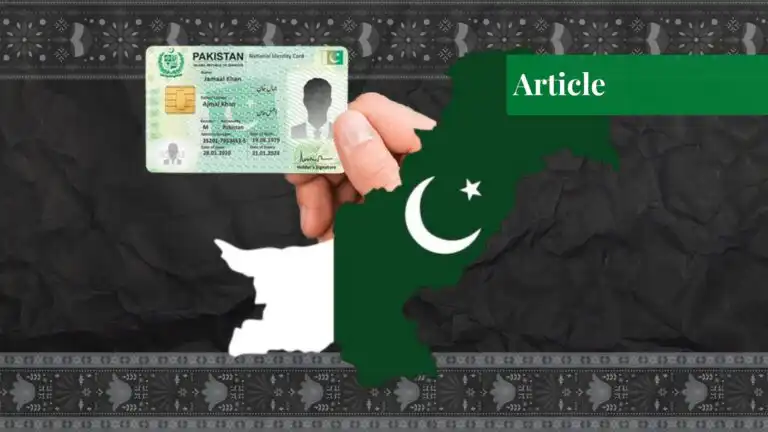
NADRA, or the National Database and Registration Authority, has unveiled a dematerialized digital identity card to manage national identity documentation for all Pakistanis. The card, announced during its 25th anniversary, is a dematerialized version of the identity card. Now, the word dematerialized sounds complicated, but it essentially means that the card exists electronically and can be stored on smartphones through the Pak Identity mobile app. This launch was highlighted in a ceremony with a commemorative coin and postage stamp, and it marks a crucial step toward digital transformation, as noted by Federal Minister for Interior Syed Mohsin Raza Naqvi.
This development is part of the general World Bank initiative Digital Economy Enhancement Project (DEEP), with a pilot phase set for August 14, 2025. This initiative was aimed at enhancing digital access and infrastructure in the country by ameliorating the quality of digital governance and enhancing the service delivery capabilities of public sector institutions at federal, provincial, and local government levels. The Board of Investment was spearheading DEEP component-II, which was aimed at supporting the modernization of the regulatory regime in Pakistan.
Applying Online for the NADRA Digital ID Card
The process of applying for the NADRA Digital Identity Card online has been relatively simple and straightforward. It is streamlined through the Pak-Identity Portal and mobile app. Here’s a step-by-step guide on how to apply:
- Registration and Account Creation: You must first create an account on the Pak-Identity mobile app, which is available on Google Play or the App Store. Use a relevant email and mobile number to log in, but a biometric verification, such as fingerprint recognition, is mandatory for account activation, as per the information publicly provided by NADRA.
- Category Selection and Application: After logging in, choose the relevant category, as you can create a new smart NIC, renew an old one, or modify a current one. The app supports applications for various documents, including a National Identity Card for Overseas Pakistanis and a Family Registration Certificate.
- Document Upload and Photo: Upload a recent photograph, the stipulation being that it shouldn’t be older than 6 months. Along with the photo upload and any required supporting documents, such as passports. The app allows for high-quality photo capture and document scanning, which enhances user convenience.
- Fee Payment: Now it’s time for payment; this can be achieved through traditional options such as debit cards and credit cards or through other payment methods such as E-Sahulat, Easypaisa, or Jazzcash. The direct fees vary by service type and priority.
- Biometric Data Capture: To verify against government databases, users can capture fingerprints and signatures in real time, a feature introduced to facilitate contactless verification. For app users, it’s mostly seamless as live capture, but even website users are prompted to use the PAK-ID mobile application on their phone to complete “Biometric Verification.”
- Submission and Tracking: After submission, you will receive a tracking ID and can track status via SMS or online.
The Pak-Identity Portal complements the mobile app, offering web-based access for those preferring desktops. It’s cross-browser compatible, and Google Chrome is recommended for optimal experience. You’d follow similar steps as before: register, select a category, upload documents, and pay fees. The portal supports applications from anywhere globally, a feature highlighted in its description, making it ideal for overseas citizens.
Checking NADRA ID Application Status
Tracking application status is crucial for applicants. Methods include:
- Online Tracking: Use the tracking ID on the NADRA website (NADRA) or Pak-Identity Portal.
- SMS Tracking: Send the tracking ID to 8400 for real-time updates, a service introduced for convenience.
- Notifications: The Pak ID system sends SMS and email notifications at key stages, such as submission and card printing, for applicants in Pakistan and overseas, respectively.
E-Government Initiatives in Pakistan
Imagine the calm of having government-related affairs digitalized and streamlined in such a manner. The Pakistani government provides many services that get bogged down by bureaucratic bloat. Every small transaction will lead you moving from one counter to the next and then to the next which often leads to long lines and endless headaches.
This initiative is a stepping stone for the general digitalization of the cumbersome governmental procedures in the country. With this app you’d handle all your government stuff without leaving your house. That’s exactly what Pakistan’s e-government initiatives are doing, and the NADRA Digital Identity Card is making it happen.
With your digital ID on your phone, you can do things like sign up for a government health program for your parents or get your kids into a public school, all with a few taps—no more waiting in long lines. If you’re an overseas Pakistani, this ID lets you sort out consular services or even apply for a visa-on-arrival for 120 countries.
NADRA’s also helping keep our neighborhoods safer by working with the police, using biometric data to do things like quick background checks. They’re making sure everyone’s included, even people in far-off villages or marginalized communities, by bringing services to post offices and mobile. There will be some hurdles, such as weak internet in more rural regions of the country but it is still possible to fix.
Conclusion
This will end up being a bold step for the country; it’s part of its broad desire to digitalize and add quality-of-life improvements to somewhat inaccessible government services. As the nation grows, it must aim to alleviate the burdens faced by citizens. Regardless of race, creed, or rural or urban setting, all people within the nation must benefit from the services provided by the government. This will serve as an innovative and technologically apt step towards the future. As the world’s IT sector burgeons, Pakistan benefits from adopting international standards and increasing its level of digitalization.
All citizens are encouraged to adopt this tool to apply for the card as soon as possible.
If you want to submit your articles and/or research papers, please visit the Submissions page.
To stay updated with the latest jobs, CSS news, internships, scholarships, and current affairs articles, join our Community Forum!
The views and opinions expressed in this article/paper are the author’s own and do not necessarily reflect the editorial position of Paradigm Shift.
The author is studying Economics at the National University of Science and Technology (NUST) with a keen interest in financial affairs, international relations, and geo-politics.