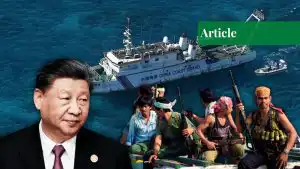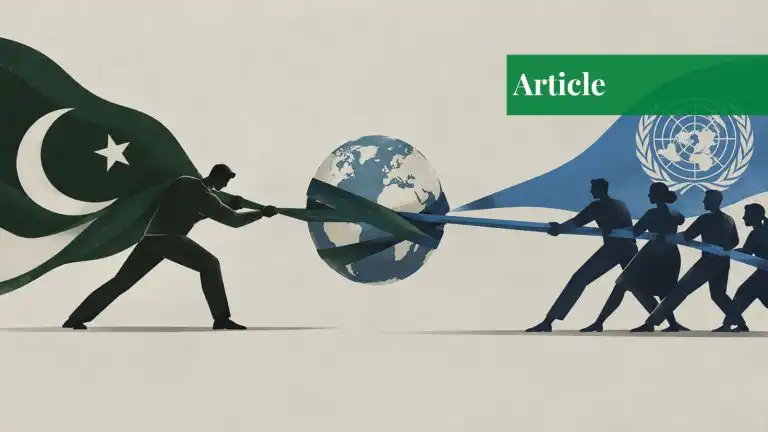
Is Nationalism the Real Threat?
In the modern world, running a country has become extremely complicated. Countries are now expected to prioritize their national interests as well as become prominent in the international landscape. Even though day by day the world is becoming increasingly interconnected, nationalism still reminds us where priorities should lie first. Nationalism is a constant reminder to nations that borders, democracy, and sovereignty still matter.
This scenario raises a question: is nationalism a threat to internationalism, or does international cooperation threaten national identity? While nationalism can promote unity and patriotism, it simply doesn’t make internationalism unachievable. The real threat is the kind of nationalism. Nationalism can be threatening when its nature is chauvinistic, where protecting sovereignty can become militaristic and fanaticistic. These characteristics can make internationalism difficult to achieve.
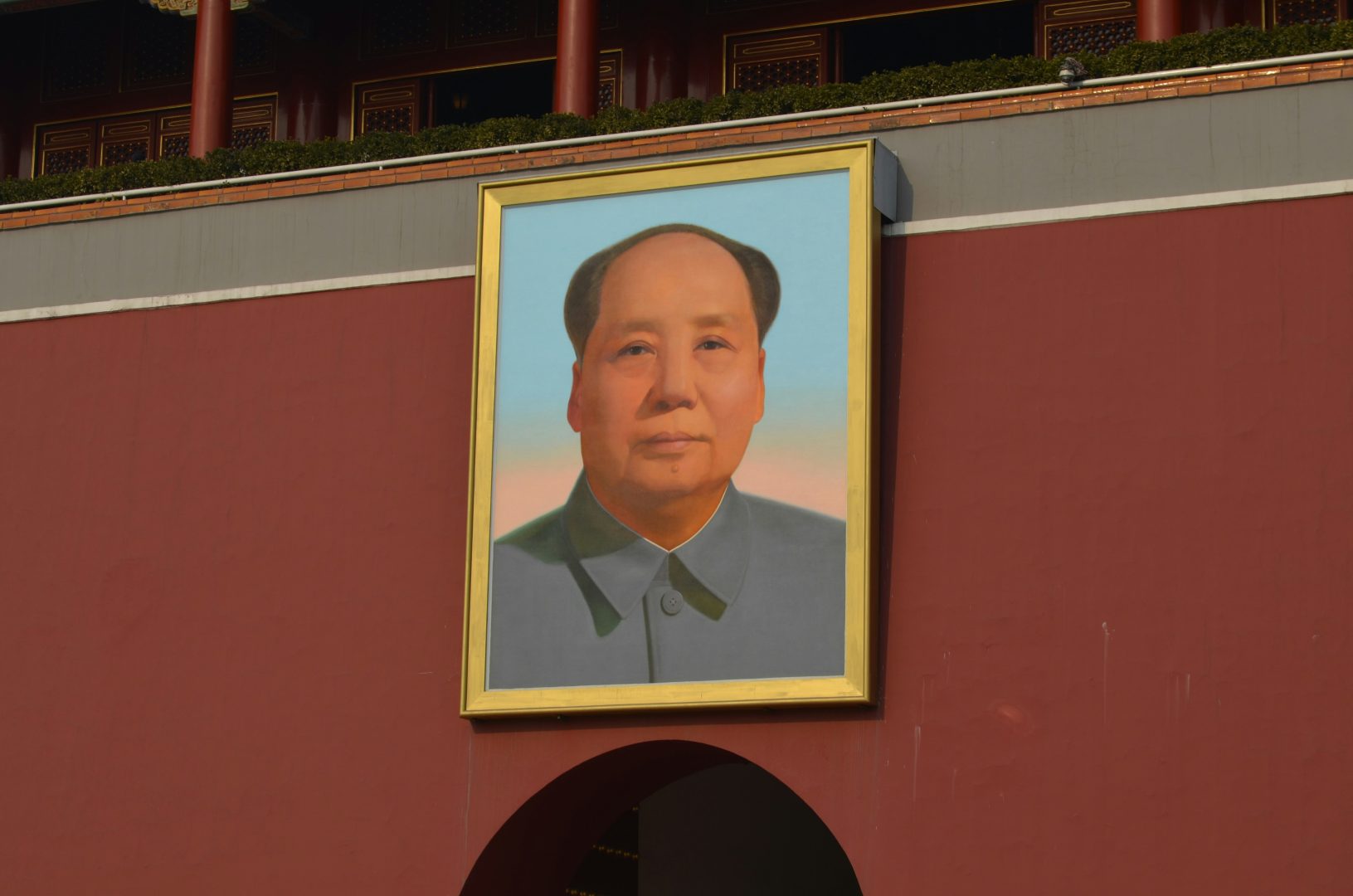
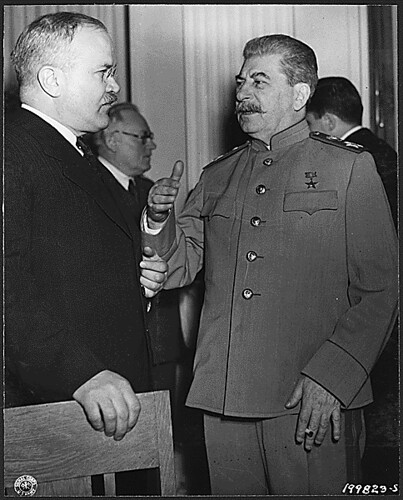
Nationalism, which creates international rivalry and conflict, is the most alarming type of threat to internationalism. When the idea of chauvinism influences policy, it simply replaces cooperation with competition. The past has set multiple examples of such world leaders, such as Adolf Hitler, Joseph Stalin, and Mao Zedong. This shows that nationalism can quickly change its form from patriotism to imperialism and expansionism.
One of the biggest perils of being a nationalistic state towards internationalism is its emphasis on national sovereignty and national interests. Nationalistic states believe their responsibility towards citizens should come first even if a conflict internationally takes place. This is dangerous because it makes these governments strict and less cooperative and willing to compromise.
Internationalism only takes place when unanimous cooperation is being followed. Nationalistic governments become violent and aggressive when it comes to protecting their sovereignty, which makes international cooperation foreboding. For example, rejecting joining alliances or accepting international accords. When a government becomes nationalistic, internationalism becomes a threat to the national identity.
For instance, Nazi Germany. Nazism’s growth changed nationalism in Germany into an exclusionary project, which caused foreign identities to be threatened by this new national identity. It introduced an aggressive foreign policy and expansionism. Again, this belief was created by Adolf Hitler, who used Friedrich Ratzel’s idea of Lebensraum. This produced domestic discrimination as well as gave them confidence to dominate neighboring territories. This demonstrates how a nationalistic government can become a threat to other states.

Where National Interest Meets International Cooperation
Internationalism becomes hard because nationalism undermines the role of intergovernmental organizations. International organizations such as the United Nations and the World Trade Organization rely on the loyalty and cooperation of the member states. Accepting these organizations brings certain responsibilities and accountability that nationalistic governments would refuse to accept and follow.
The divide between nationalism and internationalism becomes particularly visible in functioning intergovernmental organizations. These nationalist states will reject and refuse to accept the functions and decisions these organizations make. They resist them because they believe it is directly taking over their sovereignty or even limiting their freedom to pursue their own national interests. However, the problems faced by these organizations should not be blamed on nationalism alone.
Their effectiveness can be challenged by their own structural weaknesses created by the international system. For example, the United Nations has given 5 of its permanent member states a veto in the Security Council, which gives power and authority to these 5 states to prevent collective action. This argument is supported by the claim that international cooperation isn’t weakened by nationalistic governments but by their own system, where power is concentrated rather than shared equally. Hence, nationalism can enforce these limitations but can’t solely be blamed for them.
Economic Nationalism: Putting Domestic Interests First
Nationalism is not only limited to political or cultural identity, but it can also emerge as economic nationalism. While internationalism promotes cooperation and encourages states to develop economic interdependence through investments and trade, economic nationalism basically prioritizes domestic affairs such as a state’s industries and workers. Nationalist governments may view this as dependence on foreign markets and could be seen as a vulnerability.
Due to this insecurity, nationalistic states introduce protectionism, which basically allows them to impose tariffs, subsidies, or other restrictions to shield their domestic economies from international dependency and competition. The trade conflict between the United States and China paints a picture of this. At the start of 2018, Trump imposed tariffs on hundreds of billions of dollars’ worth of Chinese imports. The reason behind this was that the US believed that China’s trade policies and practices were threatening and harming the American business industry.
Eventually, China responded with retaliatory tariffs, which broke the interconnected trading relationship into an economic conflict. This event signifies how governments can prioritize their domestic affairs, especially economic ones, over international trade. Therefore, this shows that economic nationalism can undermine internationalism by urging states to protect their own economies even if it can be distrustful internationally. Ultimately, nationalism and internationalism should not be defined as opposition factors. Hans Morgenthau’s realist prominence on national interests clarifies why states might prioritize their own economic interests and security rather than aiming for collective international cooperation.
Nationalism vs. the Global Order
Nationalism, which creates international rivalry and conflict, is the most alarming type of threat to internationalism. When the idea of chauvinism influences policy, it simply replaces cooperation with competition. The past has set multiple examples of such world leaders, such as Adolf Hitler, Joseph Stalin, and Mao Zedong. This shows that nationalism can quickly change its form from patriotism to imperialism and expansionism.
Nevertheless, there is always the other side to a story. It could be said that nationalism and internationalism have always been misunderstood. They can coexist peacefully. This is known as moderate nationalism. In this context, nationalism can exist with international cooperation. A country can establish a strong national identity while pursuing international cooperation.
This idea incorporates governments working internationally while promoting their national interest. The recent changes in global politics show that countries can cooperate on problems such as climate change and security, or even build treaties and alliances. The nationalistic ideology does not have to clash with internationalism but has to balance the differences because no single nation can deal with such problems alone.
Beyond Borders: The Future of Internationalism
A nation can be loud and proud of its identity but can also be cooperative internationally. Following a nationalistic ideology does not mean isolation should be the solution. Nation-states can be proud of their sovereignty and culture but can also be involved in international diplomacy. Internationalism does not ask any state to disappear or protect itself but promotes growth instead. In reality, it allows states to mingle and work together rather than stay in a state of anarchy. Brexit had a significant impact on the world when it took place.
Brexit does show the tensions between national sovereignty and international integrity. This exit clearly set an example for the world that a nation still has the authority to make decisions rather than depending on the European Union. This symbolizes that nationalism can directly challenge internationalist projects but doesn’t necessarily have to be aggressive or hostile.
Creating the “Other”: Nationalism and Exclusion
The problem here isn’t necessarily with traditional nationalistic values, but it becomes a problem when it’s us-versus-them politics or a hardcore stance such as Make America Great Again. The rise of “America first” politics has created tensions in global politics. The slogan itself might mean different things to multiple groups, but it doesn’t stop American policy from becoming regressive and harmful towards its identities. This shows how extreme nationalistic identity is created and clashes with internationalism.
It is important to create a distinction between certain ideas like “protect our nation” and “protect our nation from the enemies.” When other states view each other as potential competition, interconnectedness becomes complex and difficult to achieve. This aggressive identity of protecting “us” from outsiders makes it difficult to encourage internationalism.

In this case, the type of mentality these nationalistic governments have matters as well. They can adopt the regressive and extremist version of nationality or adopt the version that does allow internationalism without any complications. Perhaps Arthur Schopenhauer put it most effectively when he wrote, “National pride is the cheapest kind of pride because it relies on traits shared with millions rather than personal achievement.”
This resonates with the ideology that if a nationalistic state emphasizes national interest and identity, ignoring international cooperation, then it will start believing that it is superior to others, which can result in conflicts. This is why nationalism can become a threat to internationalism if it is not defined or implemented carefully. Nationalism can turn a state’s sense of pride into something dangerous and expansionist.
Similarly, Alexander Wendt’s constructive approach basically emphasizes how national identities can form perceptions of other states as outsiders and rivals. On the other hand, we also have the real threat that does not lie with nationalism itself but with its repressive and uncompromising forms, which can turn positive nationalism into a dangerous, isolating one.
The real threat does not lie with nationalism itself but in its repressive and uncompromising forms, which can turn positive nationalism into a dangerous, isolating one.
The uniting force between these two ideas can be in balance, which is created through moderate nationalism. The two ideas can coexist peacefully while prioritizing national interests. A nation-state cannot completely isolate itself from the interconnectedness of the world and ignore the actions of other states. The world is like a cobweb in which each web connects every nation together, even if they don’t accept it.
If you want to submit your articles and/or research papers, please visit the Submissions page.
To stay updated with the latest jobs, CSS news, internships, scholarships, and current affairs articles, join our Community Forum!
Find our FREE quizzes and MCQs here!
The views and opinions expressed in this article/paper are the author’s own and do not necessarily reflect the editorial position of Paradigm Shift.

Aima Hussain is currently a student at the Lahore School of Economics, with a keen interest in politics, international relations, and the forces shaping an increasingly interconnected world. Drawn to the intersection of power, history, and society, she enjoys questioning conventional narratives and examining the stories behind major
political developments. Her writing reflects a curiosity about the world beyond the headlines and the ideas that continue to shape it.