
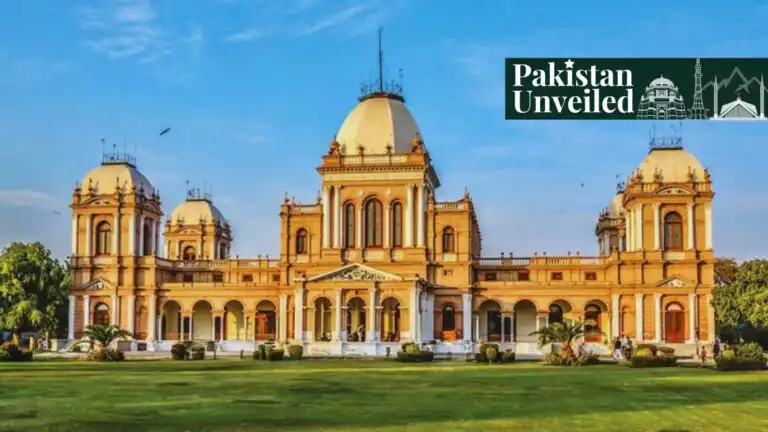

Noor Mahal in Bahawalpur
If you are planning a trip through southern Punjab, a place that you should not miss at any cost is Noor Mahal in Bahawalpur, one of Pakistan’s most elegant architectural masterpieces. Through its glowing white exterior, landscaped garden, and palace-like charm, it is easy to decipher why this masterpiece is often regarded as the “Palace of Light.” The Noor Mahal palace is a perfect place that attracts people with interests in history, photography, or simply beautiful places.
This astonishing monument embodies the glory of the princely state of Bahawalpur and offers a glimpse into the region’s royal history. The ornate interiors, grand halls, and picturesque setting of the Noor Mahal have made it a cultural icon. For people interested in exploring the gateway to the Cholistan Desert, this palace is a must-visit place, as it provides tourists with a rewarding experience.
A Glimpse into the History of Noor Mahal
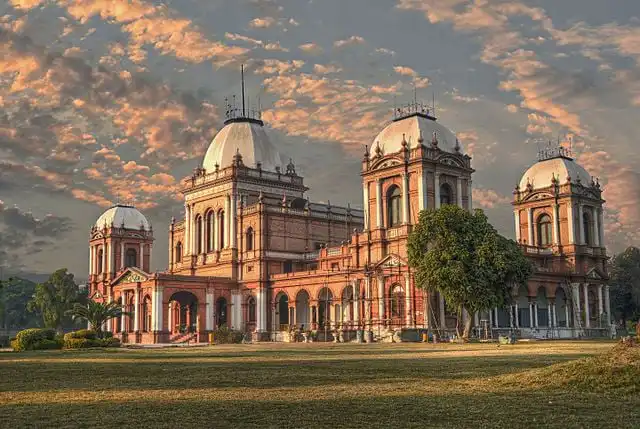
Noor was built in 1872, and the construction continued for three years at a cost of 1.2 million rupees, during the reign of Nawab Sir Sadiq Muhammad Khan IV, a ruler known for his appreciation of culture, modern infrastructure, and art, as a summer residence for his wife, Noor. However, she refused to live in this palace after seeing a nearby graveyard, the Basti Maluk graveyard, considering it a bad omen. According to popular accounts, she spent only one night in this palace and died there before returning to her old residence, adding a new layer of folklore to the history of Noor Mahal. Her demise was a shock for Nawab Sadiq Muhammad Khan. Thus, it remained abandoned during his reign.
Since then, the palace has served various roles, including a state guest house, a royal residence, and later a venue for official gatherings. However, over the passage of time, Noor Mahal started losing its attraction and charm. The princely state of Bahawalpur merged into Pakistan in 1956. The Auqaf department took over the Noor Mahal at that time and leased it to the Pakistan Army in 1971. However, in 1997, the Pakistan Army purchased it from the Auqaf department for 119 million rupees. Since then, the Pakistan Army has managed the Noor Mahal. It also undertook restoration efforts to preserve the palace’s grandeur. Currently, it is owned by the Ministry of Defense. It is still used as a state guest house for official events and holding meetings with foreign delegations. Noor Mahal is also open to the public, who can visit and view the palace’s museum and other exhibits.
The Architectural Splendor of the Palace
The Noor Mahal palace is a stunning example of European-inspired architecture blended with subcontinental artistry. The palace was designed by a famous Englishman, Mr. Heenan, who was the state engineer of the Bahawalpur state. According to the Government of Punjab, “A map and coins of the state were buried in its foundation as a good omen. Most of the palace’s materials and furniture were imported from England and Italy. The construction of the palace was completed in 1875 at a cost of Rs. 1.2 million. Considering the amount of silver in the Indian rupee coin at 11.66 grams in 1862, this amount in 2016 would come to about 8.1 million US dollars. Noor Palace covers an area of 44,600 square feet (4,140 m²). It has 32 rooms, including 14 in the basement, 6 verandas, and 5 domes.”

Timeless Architecture and Tourism Appeal
The design of the Noor Mahal encompasses Islamic and Corinthian styles of architecture with a minimal touch of subcontinental architecture. The balustrade, columns, pediments, and vaulted ceiling of the Durbar Hall of the palace reflect the neoclassical and Corinthian architecture. The five domes of the Noor Mahal palace show the Islamic style of architecture, whereas the subcontinental style is visible in the angular, elliptical shapes.
Inside the Noor Mahal, visitors are welcomed with crystal chandeliers, frescoes, grand staircases, high ceilings, and large portraits of the nawabs of the princely state of Bahawalpur. Each room of the palace tells a story of the bygone, glorious era of the Bahawalpur State, marked by artistic excellence, sophistication, and royal customs. The construction of the Noor Mahal was completed in 1875. A mosque was added to the palace in 1906 by Nawab Muhammad Bahawal Khan. The design of this mosque is similar to that of the Aitchison College.
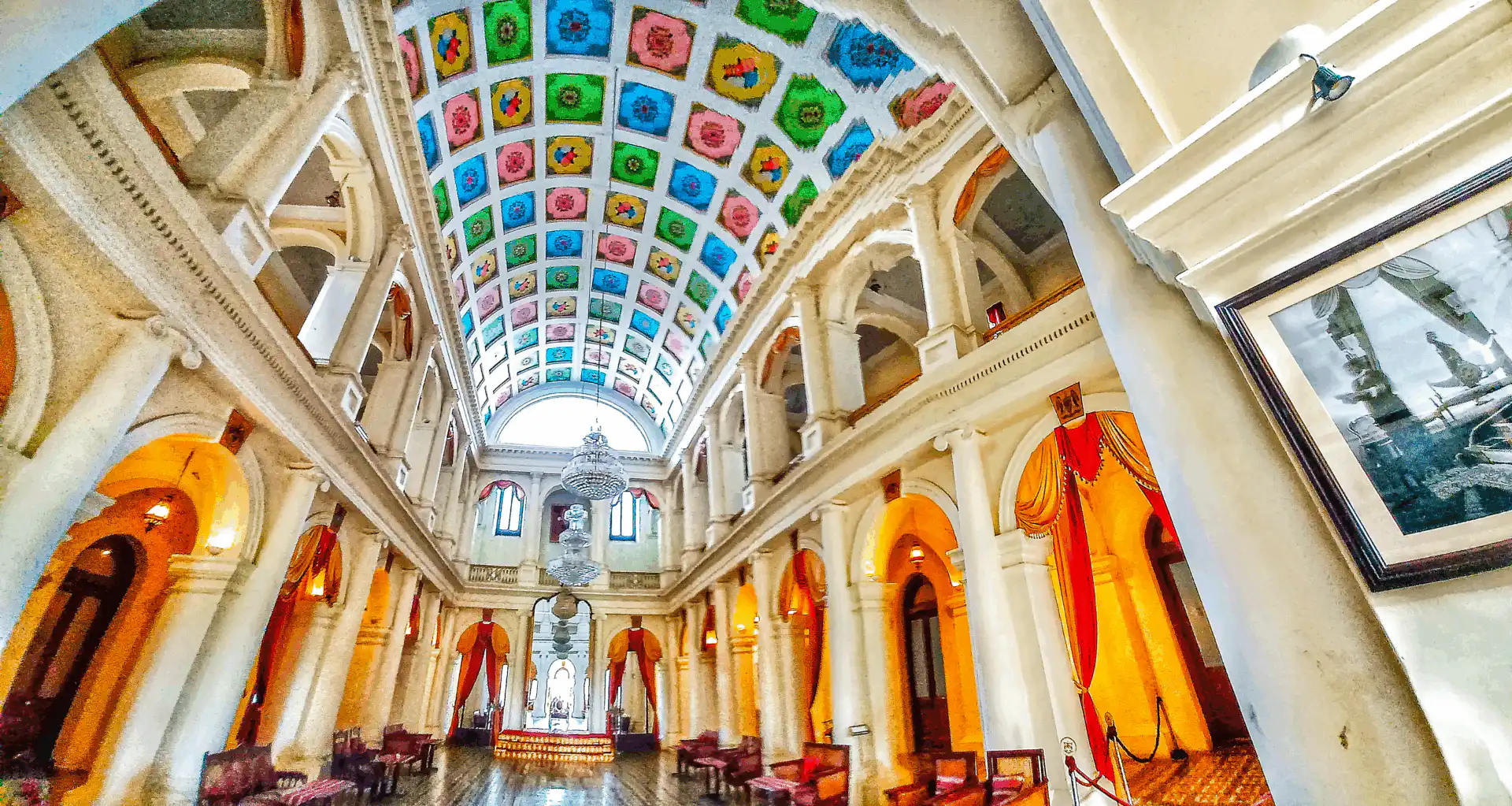
Today, the Noor Mahal is one of the most visited tourist attractions in the Bahawalpur district of Punjab, Pakistan. The Noor Mahal palace serves as a museum showcasing the royal memorabilia of the princely state. It is also a venue for cultural events in the district. The palace also serves as a backdrop for film shoots and photography. It is also considered a famous destination for heritage tours, students of history, and school trips. Evening illuminations transform the building into a glowing spectacle, enhancing its nickname as the “Palace of Light” or “Noor Mahal.”
If you want to submit your articles and/or research papers, please visit the Submissions page.
To stay updated with the latest jobs, CSS news, internships, scholarships, and current affairs articles, join our Community Forum!
The views and opinions expressed in this article/paper are the author’s own and do not necessarily reflect the editorial position of Paradigm Shift.

Muhammad Hamza Tanveer is a political analyst specialising in South Asian and Middle Eastern affairs. His work focuses on religious nationalism, regional security, and minority rights. He has been featured in Stratheia, Pakistan Today, Pakistan Observer, and the Asian Mirror. He is also working as a research analyst and political commentator for Paradigm Shift and contributes to the monthly magazine of Nearpeer.