
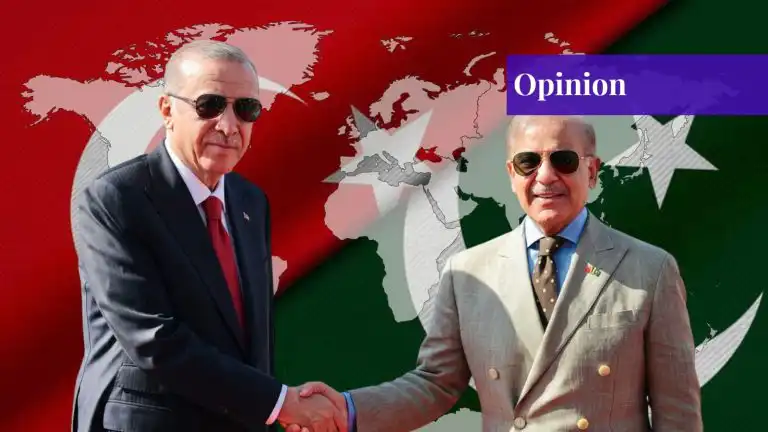
The recently concluded Jinnah-XIII counter-terrorism exercises between Pakistani and Turkish special forces provide another glimpse of the increasing convergence of interest in relations between Ankara and Islamabad. These close ties were instrumental in the May 2025 clashes between Pakistan and India, where Türkiye’s overt support for Pakistan did not go well in New Delhi. Türkiye’s backing was not only lip service, but it was also actually materialized through the use of Turkish defense equipment from the Pakistani side and an open diplomatic push from Ankara in support of Pakistan. This close partnership between Pakistan and Türkiye is neither a knee-jerk reaction to the changing global situation nor solely based on the Muslim identity of both nations or positive domestic perceptions prevalent on both sides. If one keeps a close eye on the relations, one will realize that these relations and the open support of both sides are due to the convergence of interests between both sides across the Mediterranean and the Arabian Sea, dating back to 1947.
The alignment of interests dates back to the Cold War, when both sides sided with the US-led West in the war against communism. This led to the entry of Islamabad and Ankara into the Baghdad Pact of 1955, which was later changed into the Central Treaty Organization (CENTO). This was further capitalized in the regional framework in the form of the Regional Cooperation for Development (RCD) in 1964, an intergovernmental organization between Pakistan, Türkiye, and Iran to promote socio-economic cooperation between Islamabad, Tehran, and Ankara. This convergence of interest from the beginning of diplomatic relations between the two Sunni Muslim nations intertwined their interests and developed a foundation of mutual trust and reciprocity in their bilateral relations.
This has, subsequently, led the relations to align on critical geopolitical issues rooted in the colonial period. The Kashmir issue between Pakistan and India, and the issue of Cyprus between Türkiye and Greece. Although Pakistan has not given any de jure recognition to the Turkish Republic of Northern Cyprus, it has backed the diplomatic positioning of Turkey on different forums unequivocally. This has been reciprocated by Turkey on the issue of Kashmir, vindicated by the statement of the president of Türkiye, Recep Tayyip Erdogan, in the 80th session of the United Nations General Assembly: “We support resolving the Kashmir issue based on the resolutions of the United Nations Security Council, through dialogue and in line with the expectations of our Kashmiri brothers and sisters,” a stand continuously promoted by Pakistan since 1948.
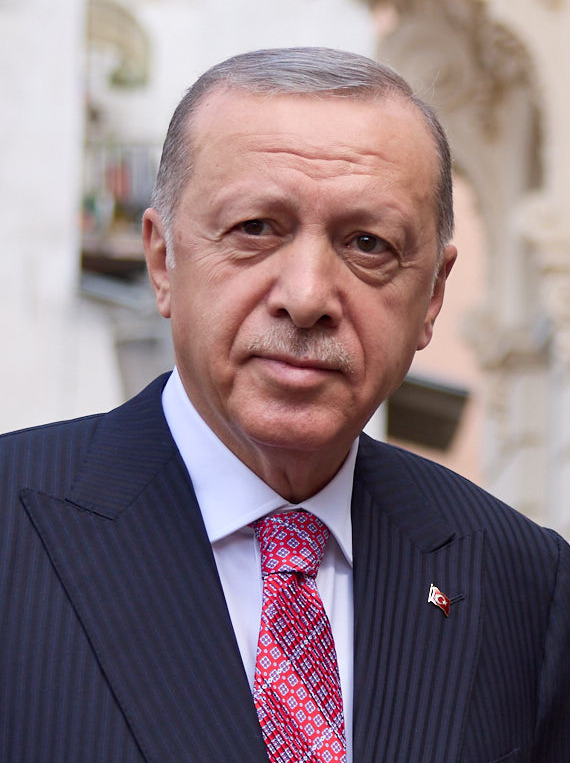
Not only on the diplomatic point, but also the relations are intertwined in the defense cooperation. Terrorism is a common menace faced by both sides. On its western front, Pakistan has been confronted by Tehreek-i-Taliban Pakistan and the persistent attacks by the Baloch Liberation Army, an Indian proxy. On a similar level, Türkiye has also been facing heinous terrorist attacks from the Kurdistan Workers Party (PKK), although attacks have subsided in recent years. This provides another convergence in relation to cooperation on the counter-terrorism operations that have been materialized in the recently concluded Jinnah counter-terrorism military exercises, and the other one is the Ataturk counter-terrorism exercises.
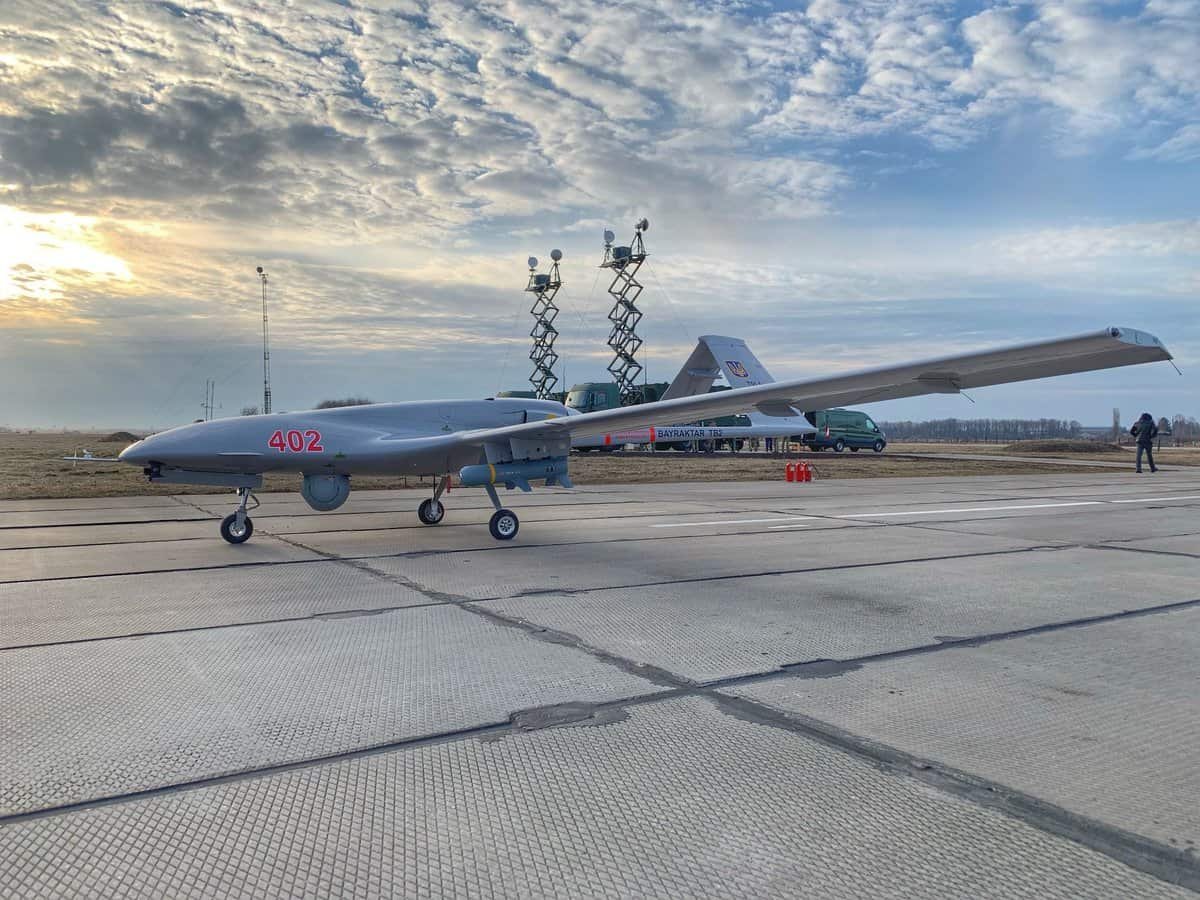
Moreover, Türkiye is also one of the largest exporters of defense equipment to Pakistan, providing the country with high-tech, sophisticated military technology in the form of drones and naval submarines, such as the Bayraktar TB2 drones and the modernization of Agosta 90-B class submarines, respectively.
As the international order is rapidly transitioning from the unipolar order to the order where power is distributed across multiple poles, the transition has brought instability across various regions, which has enhanced the role of middle powers. This provides another area of convergence in this emerging world order for both countries to enhance not only their bilateral relations, especially in terms of strategic cooperation, but also to align other middle powers in the region on strategic areas such as the common security framework of the region. This has been vindicated by the continuous interactions between the foreign ministers of Pakistan, Türkiye, Saudi Arabia, and Egypt at high levels, especially after the start of the US-Iran war. Consequently, not only justifies the convergence of interests between Pakistan and Türkiye but also provides impetus to Ankara and Islamabad to strengthen their ties with regard to the contemporary ongoing paradigm shift in the anarchic international order.
If you want to submit your articles and/or research papers, please visit the Submissions page.
To stay updated with the latest jobs, CSS news, internships, scholarships, and current affairs articles, join our Community Forum!
The views and opinions expressed in this article/paper are the author’s own and do not necessarily reflect the editorial position of Paradigm Shift.

Syed Shahzaib Shah is graduated in International Relations from the Shah Abdul Latif University, Khairpur Mirs. His areas of interest include the history of Pakistan, Foreign policy of major powers, theories and approaches, arms control and disarmament, and strategic studies.