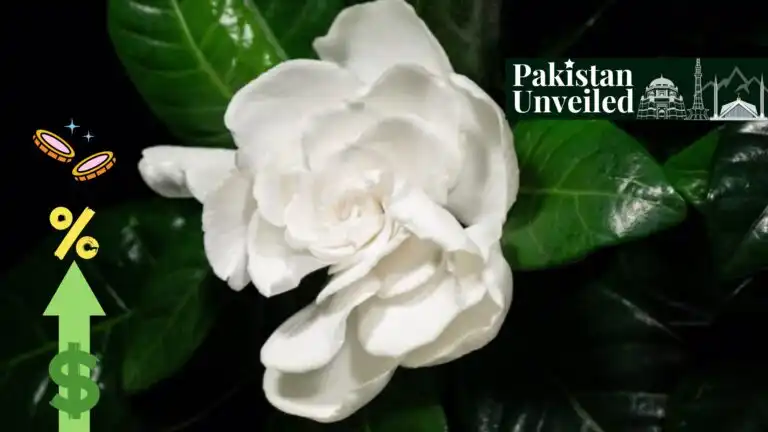
Jasmine
For centuries, the jasmine plant has been cherished for its small, star-like white flowers’ refined beauty and enchanting fragrance. With over 200+ varieties cultivated worldwide, Jasmine holds a prominent place in gardens across the globe. In Pakistan, jasmine flourishes abundantly, adorning towns throughout the country. Its popularity stems not only from its aesthetic appeal but also because it holds the esteemed status of being the national flower of Pakistan, making it a beloved choice for cultivation among the people.
Economic Benefits of the National Flower Cultivation in Pakistan
Cultivating jasmine flowers in Pakistan presents significant economic advantages that benefit small-scale farmers. These farmers reported a net income of Rs. 390,854 and a benefit-cost ratio of 2.42. For small farmers, jasmine cultivation typically yields around 3,216.24 kg per acre, selling at an average price of Rs. 207.19 per kg, resulting in a total revenue of Rs. 666,385. Moreover, this sector creates employment opportunities and contributes to agricultural diversification, reducing reliance on traditional crops. Furthermore, it generates foreign exchange through exports and adds economic value by producing essential oils and fragrances. These factors collectively contribute to Pakistan’s economic growth and stability.

Industry Development Opportunities and Diversification
The flower harbors immense potential for fostering the development of various untapped industries in Pakistan. Jasmine’s essential oils can be key ingredients in producing perfumes, cosmetics, and aromatherapy products. Moreover, creating jasmine-based items like soaps, candles, and air fresheners can offer substantial advantages, including employment opportunities. Such initiatives promise to contribute to Pakistan’s economic growth.
Cultural Significance and Traditional Uses of Jasmine in Pakistan
In Pakistan’s national language, Urdu, the jasmine flower is called “chambeli.” It is also commonly known as “yasmin” in Arabic, which means “gift from God.” Its pleasant aroma engulfs the surroundings and attracts pollinators like bees and butterflies. Due to its enchanting scent, jasmine is widely used in skincare and hair care products. In colder regions of Pakistan, especially during winter, people often add freshly plucked jasmine flowers to tea and kahwa, believing it enhances blood circulation and boosts the immune system. Furthermore, women frequently adorn themselves with jasmine bangles during events and functions to enhance their beauty.

Conclusion
The jasmine flower embodies cultural symbolism and economic potential in Pakistan, serving as a source of national pride while offering tangible benefits for agricultural, industrial, and economic development. Efforts to leverage its versatility and market appeal hold promise for fostering growth and prosperity across various sectors of the economy.
If you want to submit your articles and/or research papers, please check the Submissions page.
The views and opinions expressed in this article/paper are the author’s own and do not necessarily reflect the editorial position of Paradigm Shift.

Mr Abdul Basit Siddiq is pursuing a Bachelor's degree in Science and Business Administration from the Virtual University of Pakistan. He currently works as an SEO Executive.