
A System Divided
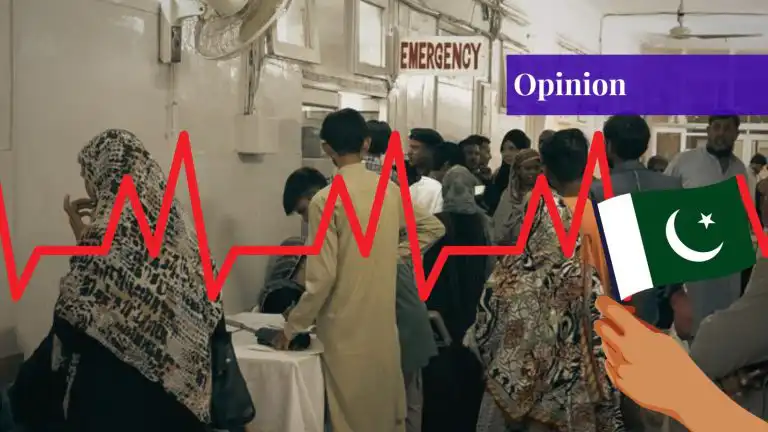
Healthcare is a privilege in Pakistan. Although access to resources and quality medical care is a basic human right, the system is unfortunately divided along socio-economic lines. This leads to disparities among the citizens. In Pakistan, this division is more evident due to the stark difference in public and private sector hospitals, where infrastructure, availability of resources, technology, equipment, and overall environment communicate this bifurcation.
Creating a two-tier system that leaves the masses with limited access to life-saving care. This is the ground reality of millions of Pakistanis. According to the federal budget 2025-26, Rs. 46.10 billion is allocated for the Ministry of National Health Services, Regulations, and Coordination (NHSRC). The current budget saw a reduction in total federal health spending; hence, the previous health budget for the fiscal year 2024-25 was Rs. 54.87 billion. The margins are the price of a commoner’s life.
The growing divergence between public and private sector healthcare facilities indicates structural failure. Decades have passed, but this issue has been overlooked, leaving citizens in utter destitution. Over the years, government spending on healthcare has been insufficient, leading to underfunded public sector hospitals that struggle to meet the demands of a growing population. Mostly, people from villages and underdeveloped districts rush towards urban centers to seek healthcare facilities, which results in overcrowded government hospitals and insufficient resource allocation. Public hospitals in rural areas are understaffed, under-resourced, and mismanaged, making it difficult for healthcare staff to provide the necessary care. Indigent people have to travel long distances to acquire basic medical facilities.

Pakistan’s divided healthcare system is a financial burden on citizens, particularly those from lower-income backgrounds, already struggling to make ends meet. Out-of-pocket payments make up a larger portion of healthcare expenditures in Pakistan. According to the World Bank, impoverished households in Pakistan spend on average 20% of their income on healthcare. For many families, this means choosing between getting medical treatment and other basic needs. This situation has left a large portion of the population unguarded against medical expenses.
To mitigate this financial burden, the Sindh government has increased the total health budget to an estimated Rs371.87 billion for the fiscal year 2025–26, up from Rs347.57 billion in the previous year. Indeed, it has been a mounting step toward relief, but the progress is challenged by the dual burden, including geography and poverty. Rural realities are reflecting ineffective operations where transparency in budget utilization lacks accountability.
On the other hand, the private sector hospitals are well-equipped, and big cities like Karachi, Lahore, and Islamabad offer better facilities, and patients are treated with personalized care. These facilities are not accessible to all because the cost of being a patient in Pakistan is beyond the reach of hand-to-mouth individuals. Despite the government spending billions on the public health sector, the private sector dominates and handles a lion’s share in terms of handling patients. This demonstrates the trust gap due to the perception of compromised standards of facilities in the public sector.
This paradoxical stigma can be resolved if the government subsidizes the healthcare expenditures and allocates a segment of the health budget for that. Medical facilities should be equally accessible to all, irrespective of their income levels. This systemic approach to healthcare needs to be reformed. Authorities should focus on both improving the quality of the public sector while ensuring that the private sector is not a luxury reserved for the elites.
Provincial Paradoxes
After the 18th Amendment, provinces are regulating healthcare budgets. The total spending for the healthcare sector in Punjab for the year 2025-26 is Rs. 630.5 billion, roughly a 17% increase from the previous budget. Whereas in Balochistan, Rs. 87 billion has been allocated, reflecting a 6% increase. Moreover, Khyber Pakhtunkhwa allocated Rs. 276 billion for healthcare maintenance as the pioneer to bridge the prolonged gap and reduce the burden on the urban healthcare system by introducing the Sehat Sahulat Program (SSP), launched in 2015 and later expanded by the federal government in 2019, which was a move towards the Universal Health Coverage (UHC) initiative.
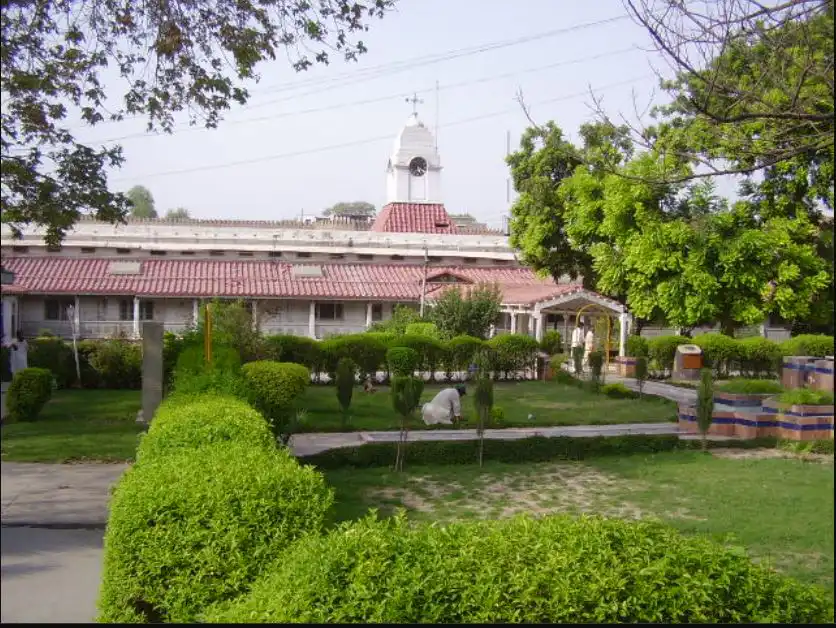
Providing access to public and private hospitals has significantly reduced out-of-pocket expenses of citizens across Khyber Pakhtunkhwa, Balochistan, and parts of Punjab and Tharparker, Sindh. Here, the inglorious fate of the Sindh province needed to be acknowledged, where no such program is fully functional for the citizens. New projects are needed, especially for Sindh and its villages, where healthcare is still a dream for many.
Bridging the Rift Through Governance and Reform
The divided healthcare system in Pakistan is not just a subject of incompetence, but it is a reflection of fostering social and economic inequality in our country. While provincial budgets vary, higher allocations do not necessarily generate better outcomes, but effective governance and implementation will definitely convert into a better future ahead. Medical care is a fundamental human right and not a privilege for the few. Moreover, community-driven health initiatives, such as awareness campaigns and medical camps, can serve as a pivotal role linking the government and the people, ensuring that resources reach those who need them the most.
Pakistan will come out of this slough by taking bold, decisive action to close the divide between the two healthcare systems across the country. If Pakistan wants to realize its national potential. It must be ensured that every citizen, irrespective of their financial status and geographical location, can have access to quality healthcare. Beyond just contemplation, it is time to act now, before the rift widens further.
If you want to submit your articles and/or research papers, please visit the Submissions page.
To stay updated with the latest jobs, CSS news, internships, scholarships, and current affairs articles, join our Community Forum!
The views and opinions expressed in this article/paper are the author’s own and do not necessarily reflect the editorial position of Paradigm Shift.

Maria Imran studies management sciences at Sukkur IBA University and is an academic researcher at NSRI (MIT), a regulated global research center. She is a freelance columnist who writes on various issues of national significance. She can be reached at mariaimran.bbaf24@iba-suk.edu.pk