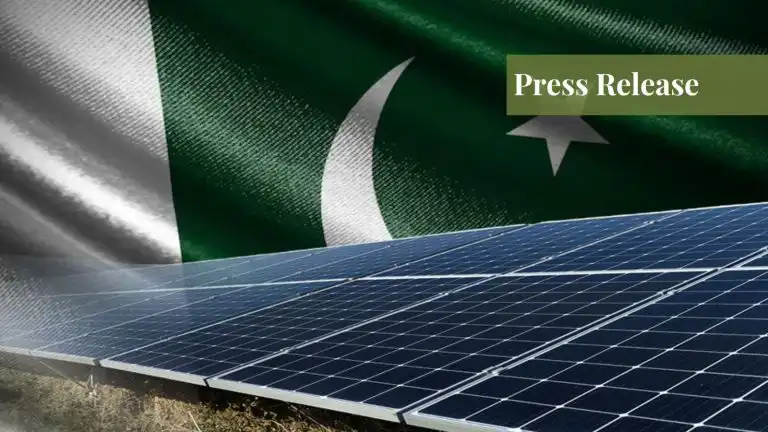
Islamabad, August 12: Pakistan’s rapid expansion of solar and other renewable energy sources requires greater adoption of battery energy storage systems (BESS) and a coordinated approach to grid flexibility. Energy storage can help shift surplus renewable energy to peak-demand hours, reduce pressure on the grid, facilitate the integration of renewables, and improve overall system reliability.
Experts expressed these views at a webinar titled “Energy Storage and Grid Flexibility for Renewable Integration,” organized by the Institute of Policy Studies (IPS), Islamabad. The session featured Dr. Fiaz Chaudhry, chairman, National Grid Company; Prof. Dr. Naveed Arshad, director, LUMS Energy Institute; and Sameer Raza, solutions manager, Huawei. Hamza Naeem, project manager electronics, Agora; Omar Haroon Malik, Central Power Purchasing Agency; Umer Khan, Private Power and Infrastructure Board; Ammar Yasir, IPS Associate; and Khalid Rahman, chairman IPS, also contributed to the discussion. The session was moderated by Faryal Qazi, research officer, IPS.
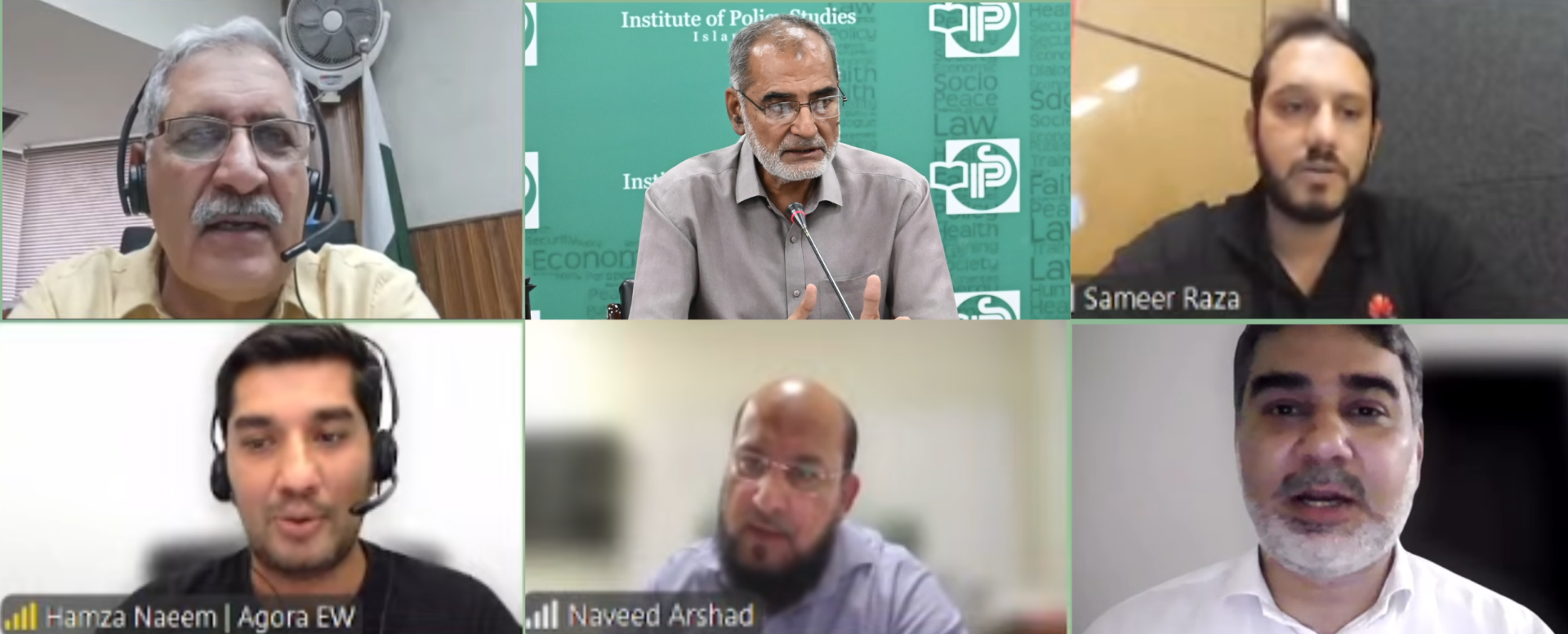
Opening the discussion, Hamza Naeem highlighted that the growing penetration of distributed energy resources is transforming Pakistan’s power system into a more distributed and flexible network. He noted that increasing solar penetration is creating midday demand reduction and steeper evening ramps, making flexibility increasingly important for system security and cost management.
Building on this point, Dr. Naveed Arshad observed that the absence of adequate storage means that electricity largely has to be consumed when it is produced. He described BESS as a transformative technology that could fundamentally change the power grid over the coming years, while declining battery costs could accelerate its adoption.
From the perspective of the transmission system, Dr. Fiaz Chaudhry stated that the National Grid Company would facilitate technologies, including batteries, that can support the grid. He noted that the growing contribution of solar has reduced dependence on grid-supplied electricity, while peak demand remains high. He emphasized that storing surplus daytime solar generation for evening and night-time use could reduce pressure on the grid.
Turning to the practical applications of BESS, Sameer Raza highlighted its potential for peak shaving, addressing the duck curve, renewable integration, ancillary services, frequency and voltage support, grid reinforcement and industrial applications. He also identified virtual power plants, EV charging with storage, community energy storage and ancillary-service markets as future opportunities. At the same time, he pointed to financing, technical skills and regulatory frameworks as key challenges.
The discussion then focused on the institutional and system-level requirements for integrating battery storage. Omar Malik said the Independent System and Market Operator views batteries as an opportunity and is exploring their standardization and seamless integration into the power system, including for peak reduction. Umer Khan stressed that Pakistan must first identify the specific purpose and system needs that battery storage is intended to address.
From the consumer perspective, Ammar Yasir noted that high electricity costs are driving consumers towards behind-the-meter solar. He welcomed consideration of BESS and virtual power plants to address emerging grid challenges.
Concluding the discussion, Khalid Rahman emphasized that governance remains fundamental to the power sector’s transition. He called for a balance between market forces and regulatory oversight, with reforms ensuring four essential outcomes: availability, accessibility, affordability and reliability.
If you want to submit your articles and/or research papers, please visit the Submissions page.
To stay updated with the latest jobs, CSS news, internships, scholarships, and current affairs articles, join our Community Forum!
The views and opinions expressed in this article/paper are the author’s own and do not necessarily reflect the editorial position of Paradigm Shift.

The Institute of Policy Studies (IPS) is an autonomous, not-for-profit civil society organization dedicated to promoting policy-oriented research, dialogue, and human & technological development for better governance. IPS provides a forum for informed discussion and dialogue on national and international issues. The contributions spanning over forty-three years and the overall impact signifies the importance of pragmatic research on policy issues. The institute highlights the role of think tanks in modern democratic polities.