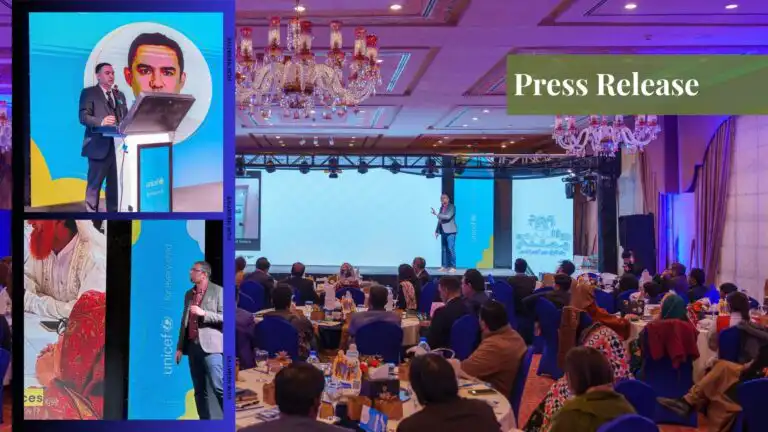
Islamabad – In a groundbreaking initiative aimed at dismantling systemic obstacles and enhancing parental involvement in education, UNICEF Pakistan, in partnership with White Rice, successfully completed the first phase of the “Walidain HumQadam” project. This venture connected with parents through schools, WhatsApp, and parent-to-parent (P2P) gatherings, while a dynamic digital campaign extended its reach to over 6 million people.
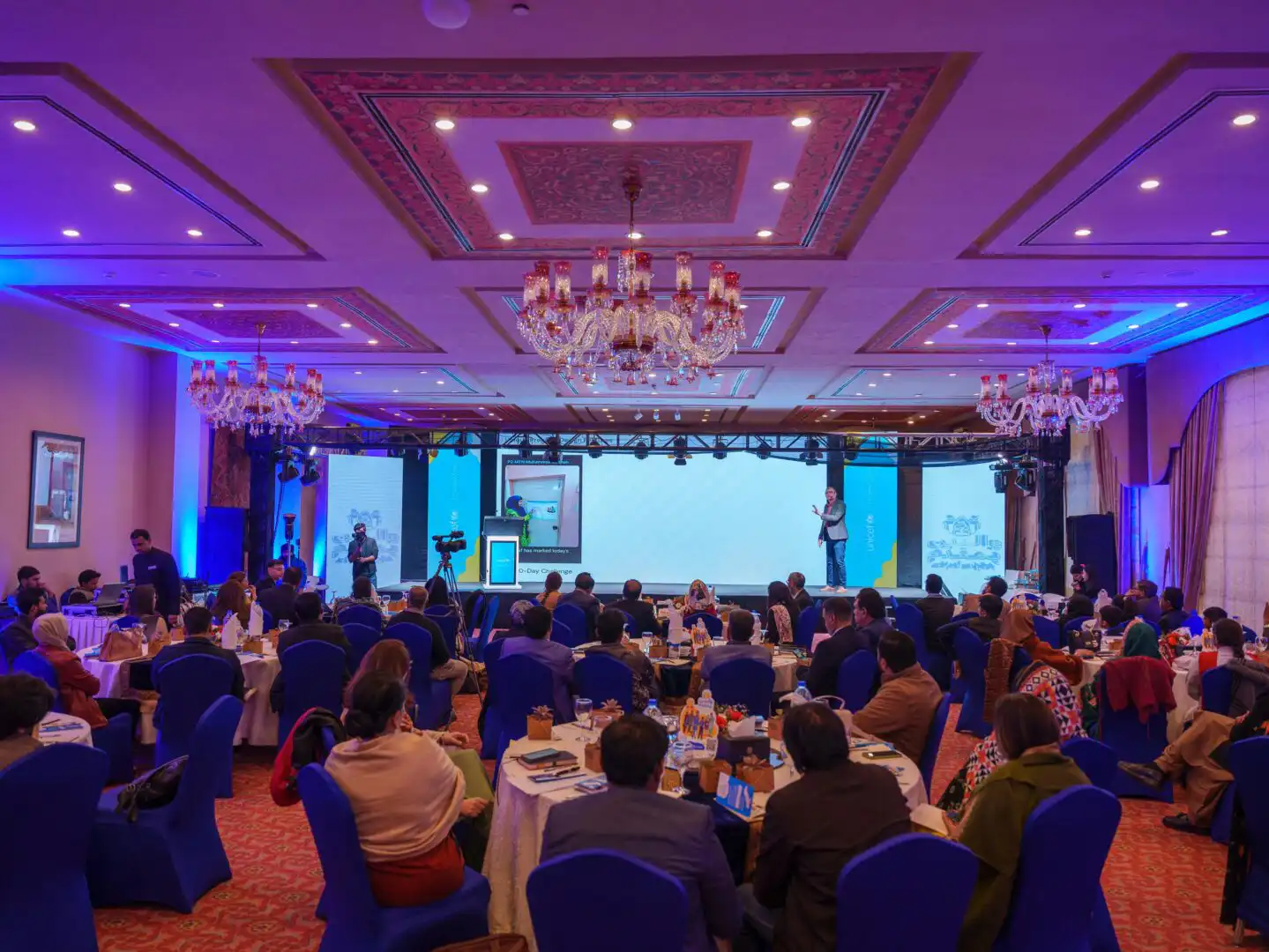
UNICEF’s research findings revealed only 30% of parents actively engage in school activities. Parent-teacher engagement is low, mostly limited to mandatory events (e.g., PTMs). It identified barriers like time constraints, low literacy, low confidence in supporting learning, and weak communication between schools and families
Ghazala Farid, a social and behaviour change officer at UNICEF Pakistan, shared with We News English the vision behind Walidain HumQadam, an initiative designed to revolutionize parental participation in education throughout the country. Collaborating closely with provincial education departments, this Social and Behaviour Change (SBC) program emphasizes co-creation, inclusivity, and behavioral insights, fostering a community-focused and sustainable framework.
By tackling the systemic hurdles that obstruct educational access, Walidain HumQadam aspires to enhance learning outcomes while nurturing strong partnerships between schools and their communities through impactful behavior changes. The initiative’s overarching aim is to cultivate an inclusive and nurturing educational environment, ultimately laying the foundation for a promising future for children across Pakistan. “This initiative prioritizes the community, ensuring that everyone’s voice is heard and valued,” she remarked, highlighting the transformative potential for collective progress.

Fahmida Khan, gender and development specialist for UNICEF Pakistan, said that through an innovative WhatsApp learning program, this program engaged 500 parents and 250 teachers across 6 cities, focusing on students from government schools. “This initiative isn’t just about education; it’s about creating meaningful connections. Parent-teacher meetings were reimagined, turning them into spaces for collaboration and dialogue, empowering families to bond deeply and challenge traditional gender norms at the household level,” she said.
Khan said Walidain HumQadam was Pakistan’s largest collaborative visioning exercise to align aspirations for children’s futures that fostered sustainable communities of parents and teachers committed to educational success. The event brought together UNICEF officials, parents, teachers, children, partner organizations, and government counterparts to celebrate the program’s impact.
Parents, students, and teachers shared their experiences and key learnings from Walidain HumQadam. Implemented across 6 districts in 4 provinces, the program has directly engaged 500 parents and 250 teachers, while its specially designed content has reached over 6.4 million people through WhatsApp.
Elnur Aliyev, the chief of Social and Behaviour Change at UNICEF Pakistan, emphasizes that Social and Behaviour Change (SBC) represents a strategic, participatory approach aimed at transforming societal norms, attitudes, and behaviors through evidence-based methods. Particularly crucial in the education sector, SBC confronts deeply ingrained beliefs that impede progress.

In the educational context, SBC becomes essential by addressing norms that restrict parental involvement. For example, traditional gender roles often dictate limited participation from parents, undermining the importance of education. SBC initiatives seek to contest these norms, creating an environment of accountability and trust among parents, schools, and communities. By empowering both mothers and fathers, SBC allows them to confidently engage in their children’s education, thereby reshaping perceptions of parental roles.
He said SBC accelerates systemic change by dismantling historical gender stereotypes surrounding parenting. Encouraging fathers to participate alongside mothers fosters a more balanced approach to educational involvement. Sustainable engagement is achieved through behavioral nudges, peer role models, and community-driven solutions, creating long-lasting impacts.

Initiatives like Walidain HumQadam illustrate how innovative SBC strategies can effectively tackle national challenges. By integrating these methods, the program focuses on boosting parental engagement, ultimately reshaping Pakistan’s educational landscape and ensuring every child’s potential is realized for the betterment of the community. By embedding co-creation, inclusivity, and behavioral insights, Walidain HumQadam ensures sustainable and community-driven impact, fostering stronger school-community partnerships for improved education outcomes.
If you want to submit your articles and/or research papers, please check the Submissions page.
The views and opinions expressed in this article/paper are the author’s own and do not necessarily reflect the editorial position of Paradigm Shift.