Child Labor and the Danger to Children
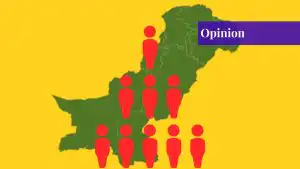
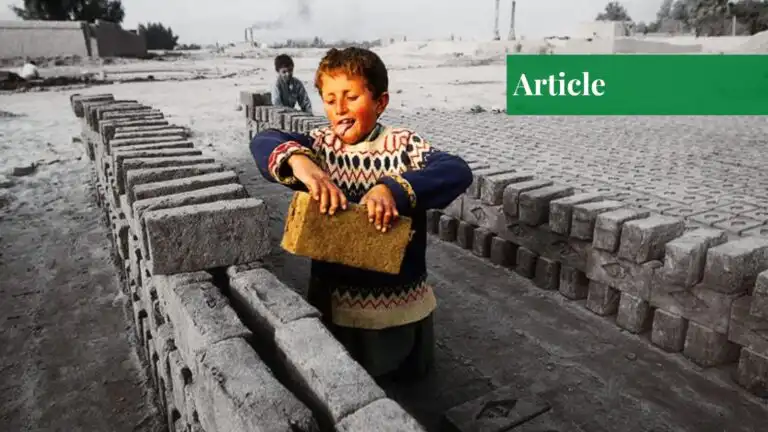
Child labor in Pakistan remains one of the deepest wounds in the social and economic fabric of the country. It is estimated that there are around 12 to 13 million children between the ages of five and fourteen who are engaged in some form of work. Many of these children work in agriculture, brick kilns, carpet weaving, coal mining, domestic service, and street vending. They are often exposed to hazardous conditions, working long hours with little to no pay. This harsh reality robs them of their right to a safe childhood and strips away opportunities for personal growth and education.
The roots of child labor are tied closely to poverty, inequality, and weak enforcement of laws. In families where daily survival is a constant struggle, sending a child to work becomes a desperate choice. In rural regions, children help with farming or livestock care. In cities, they work in auto repair shops, hotels, factories, or on the streets selling small goods. Bonded labor is a particularly cruel form of exploitation where families trapped in debt are forced to pass this burden to their children, who then work endlessly to repay loans that often never shrink.
Children in Pakistan are sometimes forced into labor as young as seven or eight years old. Employers often prefer younger workers because they can be paid less and are less likely to know or demand their rights. These children work for up to fourteen hours a day without proper meals, breaks, or safety measures. In brick kilns, they inhale dust and fumes. In workshops, they handle dangerous machinery without protection. Over time, these conditions damage their physical and mental health and rob them of the joys and experiences of childhood.
Religious and ethnic minority children often face even greater exploitation. Some are subjected to both labor and discrimination. There are reports of minority children being pushed into bonded labor, domestic servitude, and other forms of work where abuse is common. These children are among the most vulnerable because their families have fewer resources and less protection from social bias.
Causes of Child Labor
Child labor is a direct cause of high illiteracy rates. Pakistan’s current literacy rate stands at about sixty-one percent, with male literacy around sixty-eight percent and female literacy at roughly fifty-two point eight percent. This leaves nearly thirty-nine percent of the population unable to read or write, and in some rural or marginalized areas, the rate is far worse. A child who spends most of the day working cannot attend school, and even if they do, they are often too exhausted to learn effectively. Many drop out early to continue working, and this loss of education limits their future opportunities.
This lack of education feeds into an unending cycle of poverty. Adults who were once child laborers often have low skills and earn less money. This economic hardship forces the next generation into labor, creating a pattern that is hard to break. The absence of education reduces overall productivity and innovation in the workforce. Industries that depend on child labor tend to stay in low-value and low-skilled areas instead of growing into more competitive sectors.
Economically, the presence of child labor and the lack of child protection hold the nation back. While some families believe it helps them survive in the short term, it damages the economy in the long run and widens the socio-economic divide. A labor force without education and technical skills cannot compete in an increasingly global market. Poor health caused by unsafe working conditions results in medical costs and lost productivity. Foreign investors are often discouraged by the presence of unskilled labor and the reputation that comes with widespread exploitation of children.
Way Forward
To address the issue of child labor in Pakistan, the state, and local, and international organisations must eliminate child labor through the enforcement of existing laws, such as the Employment of Child Labour Act 1991. Despite existing laws and the International Labour Organisation (ILO) prohibiting child labor, violations of children’s rights are common. Authorities should regularly inspect workplaces and impose penalties on employers who employ underage children and violate labour rights and the rights of the child granted in international law.
Poverty reduction is also essential. Social safety nets such as financial support, food programs, and free healthcare can reduce the economic pressure that forces children into work. Education needs to be accessible, free, and of good quality, especially in rural and marginalized areas. Programs that allow working children to return to school through flexible schedules or bridging classes can help them catch up on lost learning.
Awareness campaigns are also important to change public attitudes. Many communities accept child labor as normal or unavoidable, but this can change if people understand the harm it causes and the benefits of education. Targeted assistance for vulnerable groups such as minorities and bonded labor families is crucial. Providing vocational training, legal support, and safe shelters can help these families escape exploitation. Partnerships between the government, NGOs, and international organizations can bring in expertise and resources to design and run effective programs.
Child labor in Pakistan is not only a violation of basic human rights it is also a national crisis that threatens the country’s development. The numbers are clear, with up to thirteen million children in labor and nearly four out of ten citizens unable to read or write. Breaking the cycle will require not only strong laws but also a genuine commitment to giving every child the chance to learn and grow in safety. The tools and knowledge to end child labor are already known. What is needed now is the will to act and the belief that every child deserves more than just survival.
If you want to submit your articles and/or research papers, please visit the Submissions page.
To stay updated with the latest jobs, CSS news, internships, scholarships, and current affairs articles, join our Community Forum!
The views and opinions expressed in this article/paper are the author’s own and do not necessarily reflect the editorial position of Paradigm Shift.

Muhammad Bilal Khan is a journalist specializing in non-traditional security (NTS) threats. He is currently affiliated with the Institute of Strategic Studies Islamabad. He can be reached at mbkh0107@gmail.com.