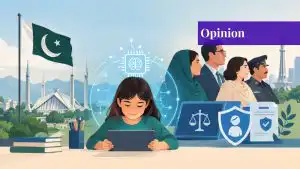

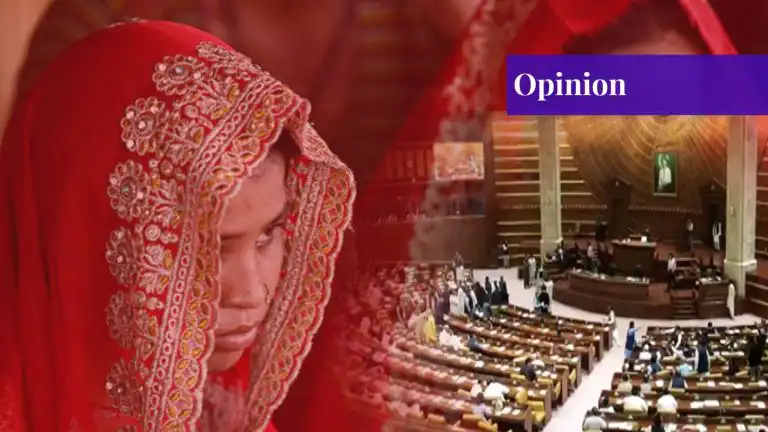
In recognition of a strong nexus between early marriages and the violation of children’s rights, the Punjab Government has taken a remarkable step to address this issue through legal reforms. In this regard, the Child Marriage Restraint (Amendment) Bill 2026 is a remarkable piece of legislation, replacing the colonial Child Marriage Restraint Act of 1929 and paving the way for the protection of children’s rights. The Bill sets 18 years as the minimum legal age for marriage (for both boys and girls), seeking to establish a uniform standard in terms of early marriages. Under this Bill, child marriage is considered a serious crime, which will be non-bailable (bail lies at the discretion of the court), non-compoundable (cannot be privately settled), and cognizable (arrest can be made without a warrant). The significance of this Bill is in its broader scope as it applies to the facilitators — anyone involved, religious officiant, family member, and registrar. The court will have protective jurisdiction and strengthen the punitive measures by prescribing imprisonment for up to 7 years.
The protective jurisdiction of the courts arises from the doctrine of “Parens Patriae,” meaning parent of the nation, where the courts will have the extra vigilance power to intervene even if the marriage requirements seem to be fulfilled. This is to ensure that legal formalities do not harm vulnerable groups of society. All these provisions of the Child Marriage Restraint Bill reflect the States’ effort to make a shift beyond symbolic condemnation towards institutional and legal enforcement measures.
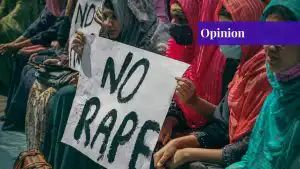
According to recent statistics by UNICEF, Pakistan is home to nearly 19 million child brides, with every 1 out of 6 young girls entering a forced relationship. The prevalence of such practices is a clear manifestation of deeply entrenched social inequalities and structural failures in developing countries like Pakistan. Viewing through the lens of the cycle of violence theory, girls who enter marriages at an early age are more likely to suffer intimate partner violence. Early marriages erode their bodily autonomy and place them in a situation marked by power imbalance, economic dependence, and domestic torture. As minors have less bargaining power, they become more prone to mental and physical abuse.
The issue extends beyond the concept of intergenerational violence transmission, revealing a deep connection between child marriage and power control. As explained by the power and control framework, child marriage is a pathway through which female sexuality and decision-making power are controlled. It exposes the girls to health risks and reproductive issues (about 13 percent of girls give birth before 18 years). It also disrupts education, resulting in early school dropouts (estimated 25.1 million girls at the primary level are out of school), limiting economic opportunities, and making it both a product and driver of gender-based inequality, which legal measures like the Child Marriage Restraint Bill 2026 seek to challenge
Ensuring the welfare of children, particularly girls, this reform highlights its compatibility with International Legal Frameworks such as the UN Women framework, the International Covenant on Civil and Political Rights (ICCPR), and the Convention on the Elimination of All Forms of Discrimination against Women (CEDAW). Pakistan is also a signatory to Convention on Rights of Child (CRC), which means that Pakistan is committed to take actions that are in best interest of the children (Article 3), protect children from all kind of mental and physical violence, injury and abuse (Article 19) and to ensure that children have the right to access health care services and right to education (Article 24 and 29). The recent operationalization of legal reforms at the provincial level reflects the essence of global human rights instruments, particularly children’s rights.
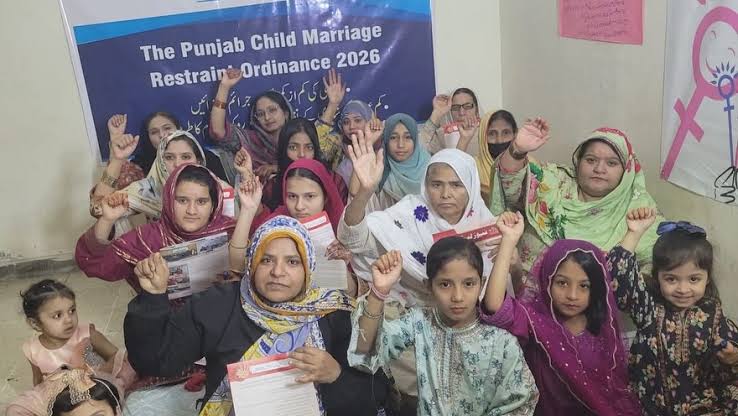
This bill has been widely welcomed by international and national human rights bodies, including UN Women, for its progressive approach in strengthening child protection and ensuring gender equality. This legal measure is a testament to Pakistan’s efforts to transform international commitments into national safeguards aimed at promoting the well-being of children. While it is a landmark step towards achieving gender justice, the real strength lies in effective implementation and societal acceptance. Without addressing the root causes and institutional failures, the menace of early marriages cannot be fully curbed in Pakistan.
If you want to submit your articles and/or research papers, please visit the Submissions page.
To stay updated with the latest jobs, CSS news, internships, scholarships, and current affairs articles, join our Community Forum!
The views and opinions expressed in this article/paper are the author’s own and do not necessarily reflect the editorial position of Paradigm Shift.