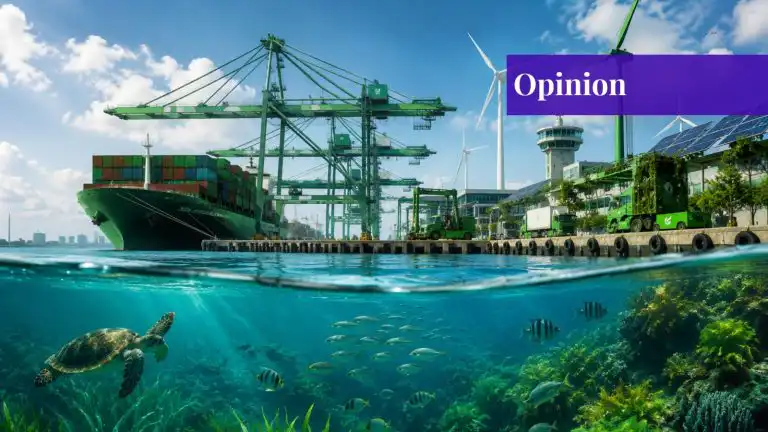
Today, ports are rising as significant access points in the sustainability agenda of the environment. As world trade is on the rise and set to provide economic efficiency, it is important to safeguard the coastal and marine ecosystems they rely on. Change has raised the adoption of green port strategies that contribute to environmental concerns in port planning, infrastructure, and port operations.
Around the globe, marine biodiversity is one of the most valuable natural resources. From microplankton to commercially important fisheries, the oceans are home to an incredible diversity of life. These organisms and their interconnections create ecosystems that help to sustain fisheries, strengthen food security, and provide benefits in controlling climate and livelihoods for millions. Ensuring conservation of marine biodiversity is not only an environmental concern but also a matter of financial stability for countries pursuing a robust blue economy.
Green port strategies are cognizant of the strong connection between port infrastructure and the marine environment. They not only implement measures to protect the environment but also include sustainability in the design of the port structure. Cleaner technologies, efficient resource usage, and an environmentally responsible operation will help to minimize the ecological impact and maintain global trade flows.
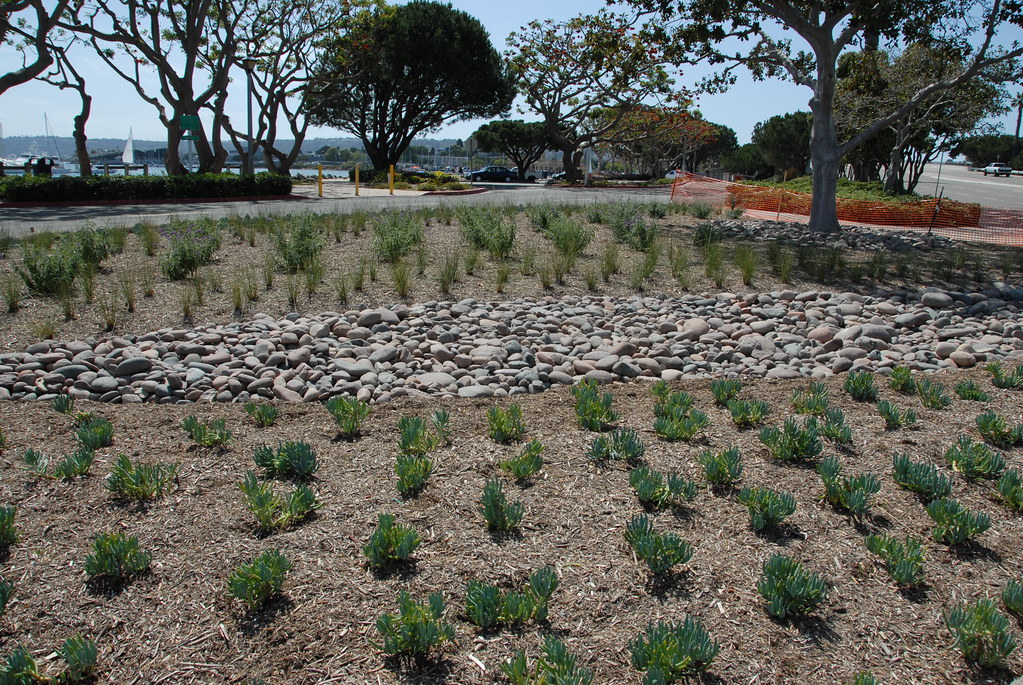
Environmental compliance is an integral part of this revolution. IMO has created more specific international standards to support ports’ work to become more energy efficient, more robust in waste management, less polluting, and better in environmental monitoring. They are taking steps to maintain water quality to protect marine habitats and provide better conditions for aquatic life, despite the rise in shipping.
Biodiversity protection is not just concerned with the protection of particular species. All fish, shellfish, marine plants, and microorganisms are important in maintaining ecological balance. Fishing in healthy ecosystems supports productive fisheries and aquaculture and assures a steady supply of nutritious food for an increasing population. Protection of marine biodiversity thus contributes to the resilience of the marine environment and economic sustainability.

Green ports put these principles into practice. Renewable energy, sustainable dredging methods, ballast water management, habitat restoration, and monitoring of water quality are used to minimize environmental stressors on coastal ecosystems. Operational performance is further enhanced by nature-based infrastructure and technologies that are resource-efficient while enhancing port resilience to future environmental challenges.
The most significant oceanic countries are progressively seeing biodiversity conservation as a strategic investment. Green infrastructure and digital ecological monitoring and low-carbon technologies are now fundamental parts of modern port construction.
This is an important opportunity for Pakistan as part of this global transition. The introduction of green port strategies to national growth processes can be beneficial for the country, which is aiming to increase its maritime industry and empower its blue economy. Environmentally responsible ports can play a vital role in promoting sustainable fisheries, raising the resilience of the coastal areas, building investor confidence, and boosting the competitiveness of Pakistan in the international shipping market. It is therefore important that economic development and environmental protection are not seen as conflicting objectives but are pursued together.
Green port strategies are very aligned with the United Nations Sustainable Development Goals (SDGs), and they can directly contribute to SDG 14 (Life Below Water), SDG 13 (Climate Action), SDG 12 (Responsible Consumption and Production), and SDG 9 (Industry, Innovation, and Infrastructure). Green ports enhance environmental protection and promote economic resilience by encouraging the adoption of cleaner technologies, better waste management, preservation of marine biodiversity, lower pollutant emissions, and sustainable resource utilization.
They also promote innovation in port infrastructure, improve operational efficacy, and promote responsible industrial practices. By implementing green port strategies, countries can not only pursue their commitments to global sustainability but also promote economic growth and development over the long term, bolster coastal communities, protect marine ecosystems, and ensure ocean resources for generations to come.
The future will not be defined by the volume of cargo and the size of the ports only. It will also rely on the effectiveness of protecting the ecosystems that underpin fisheries and food security and coastal livelihoods. The success of green ports proves that economic development and caring about the environment are not mutually exclusive but can go hand in hand. Green port investments are investments in healthier oceans and in more resilient blue economies.
If you want to submit your articles and/or research papers, please visit the Submissions page.
To stay updated with the latest jobs, CSS news, internships, scholarships, and current affairs articles, join our Community Forum!
The views and opinions expressed in this article/paper are the author’s own and do not necessarily reflect the editorial position of Paradigm Shift.

Dr. Mushaiyada Mairaj is a distinguished research fellow and marine biologist at the National Institute of Maritime Affairs (NIMA) in Karachi. She holds a Ph.D. in marine biology and specializes in the research areas of fisheries and zooplankton composition/structure, marine pollution, Indus River estuary contamination risks, and impacts of climate change on coastal waters.