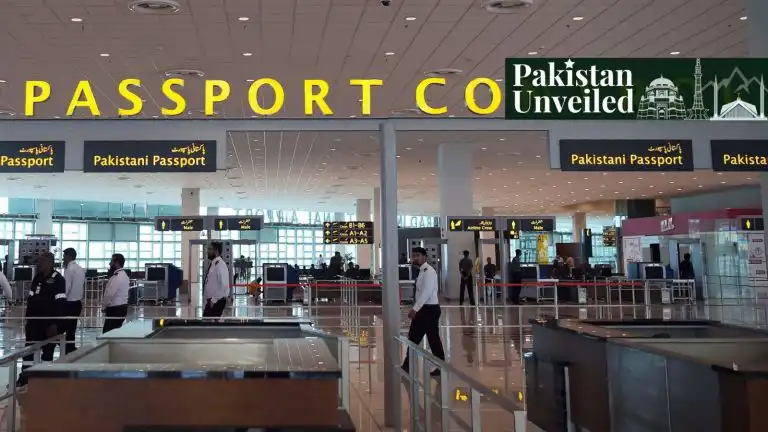
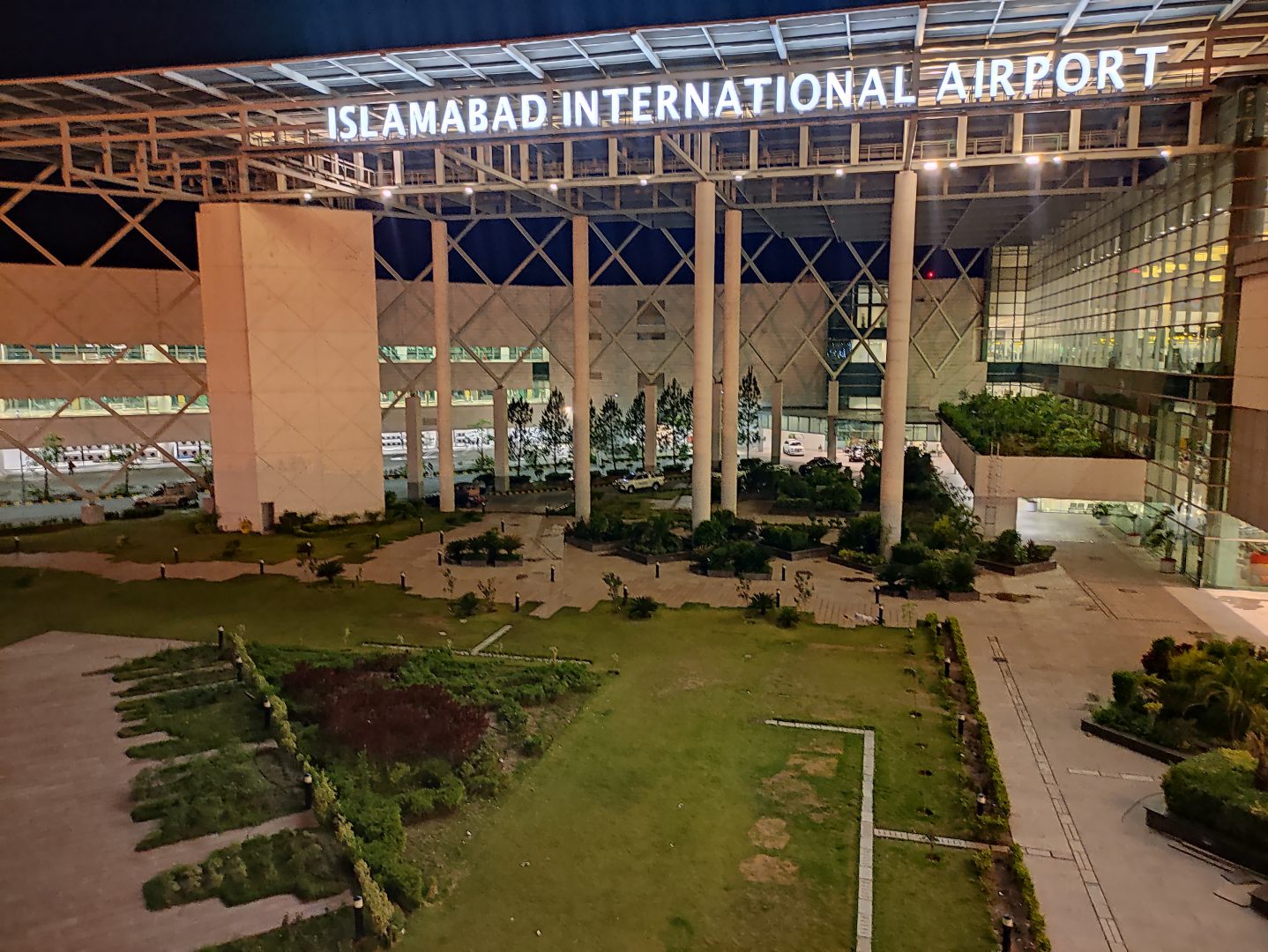
Pakistan’s capital city features a modern airport that is highly regarded as one of the best in South Asia. Islamabad International Airport, also referred to as IIA, opened its doors on May 3, 2018. It replaced the former Benazir Bhutto International Airport, which could no longer continue to accommodate the increasing number of travelers each year. Today, this airport is a symbol of Pakistan’s aviation prosperity and a welcoming destination for millions of visitors.
A Long Journey to Completion
The idea of creating a new airport in Islamabad actually surfaced in the 1980s. Back then, officials recognized that the old airport would eventually run out of capacity. But meaningful work did not begin until much later. On April 7, 2007, former President Pervez Musharraf and Prime Minister Shaukat Aziz laid the foundation stone. The project belonged to the Pakistan Civil Aviation Authority, or PCAA.
Aéroports de Paris Ingénierie, a French corporation, designed the airport’s infrastructure. CPG Corporation, a Singaporean corporation, developed the terminal building itself. PCAA also employed British architects and collaborated with the Louis Berger Group of the United States on project management. Many hands and countries worked together to complete this gigantic endeavor.
The construction plan called for completion in five years. Instead, the project took 12 years to complete. Costs increased by roughly three times the initial budget. Despite the delays, Pakistan now has a modern airport that satisfies international standards.
Where the Airport Sits
The new airport will be built at Fateh Jang in Attock District. The area is close to the Islamabad interchange of the M-1 and M-2 highways. This location is around 20 kilometers from Zero Point in Islamabad and nearly 23 kilometers from Saddar in Rawalpindi.
Planners chose this spot on purpose. They wanted an airport that could service both Islamabad and its twin city, Rawalpindi, without adding unnecessary distance to either community. Most passengers find it easy to get to and from the airport thanks to local road connections.
Size and Scale
Islamabad International Airport spans about 3,200 acres of land. This makes it Pakistan’s largest airport by area. The terminal structure alone is approximately 180,000 square meters. Officials constructed this terminal in the shape of the letter “Y,” which some believe looks like a desert flower when viewed from above.
The airport can currently handle 9 million passengers every year in its first phase. Future expansions will push that number up to 25 million passengers annually. The cargo terminal can process 80,000 metric tons of goods each year. Beyond the passenger terminal, the site also includes an air traffic control complex, a fuel farm, and a fire and rescue facility.
Runways Built for the Biggest Planes
One significant achievement of this airport is its ability to handle the world’s largest passenger aircraft, the Airbus A380. The former Benazir Bhutto Airport never had this capability. Islamabad International Airport has two runways, each measuring 3,600 meters long. These runways can handle two Airbus A380s at the same time.
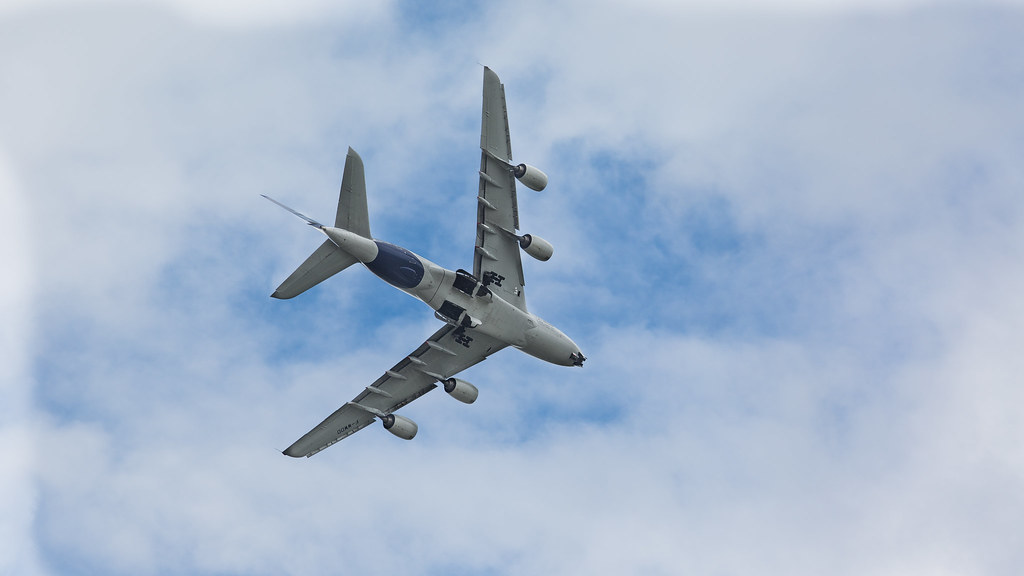
On July 8, 2018, the first Airbus A380 arrived at the airport. It arrived by a special Emirates jet from Dubai. This was a proud moment in Pakistan’s airline history, as no other airport had previously been able to accommodate such a massive aircraft. The Pakistan Civil Aviation Authority is also attempting to acquire more land for a third runway. This future extension would allow the airport to handle even more planes as passenger traffic continues to expand.
Facilities in the Terminal
Travelers passing through Islamabad International Airport can find various modern amenities. The terminal has 15 gates, including ten remote gates for aircraft parked away from the main facility. Fifteen passenger boarding bridges allow visitors to walk directly from the terminal to their planes without utilizing transportation.
The airport also includes 42 immigration stations to help international passengers move quickly. Duty-free stores ring the exit areas, and a food court serves meals to hungry travelers. A four-star hotel is located within the airport complex for guests who require rest during extended layovers or early morning flights.
Here is a quick look at the airport’s key features:
| Feature | Detail |
|---|---|
| IATA Code | ISB |
| ICAO Code | OPIS |
| Opened | 3 May 2018 |
| Land Area | Over 3,200 acres |
| Terminal Size | 180,000 square meters |
| Runaways | Two, each 3,600 meters long |
| Passenger Gates | 15 (including 10 remote gates) |
| Immigration Counters | 42 |
| First Phase capacity | 9 million passengers per year |
| Future capacity | Up to 25 million passengers per year |
| Cargo Capacity | 80,000 metric tons per year |
| Special aircraft support | Airbus A380 |
Getting to the Airport
Roads link Islamabad International Airport to many important highways. The Srinagar Highway connects the airport straight to Islamabad. Drivers can also access the airport via the Lahore and Peshawar motorways. This extensive network allows passengers to reach the airport from all around the country, not simply the capital region.
Additionally, there are public transportation choices available. The Rawalpindi-Islamabad Metrobus service will be enhanced in April 2022 to better connect passengers with the airport. This innovation provided an affordable option for budget tourists to reach their flights without relying only on taxis or private cars.
The airport has parking space for around 2,200 automobiles. Airport employees also have their own parking lot. Travellers who drive themselves to the airport should have enough room most days, though high travel seasons may result in greater traffic on the routes leading in.

Airlines and Destinations
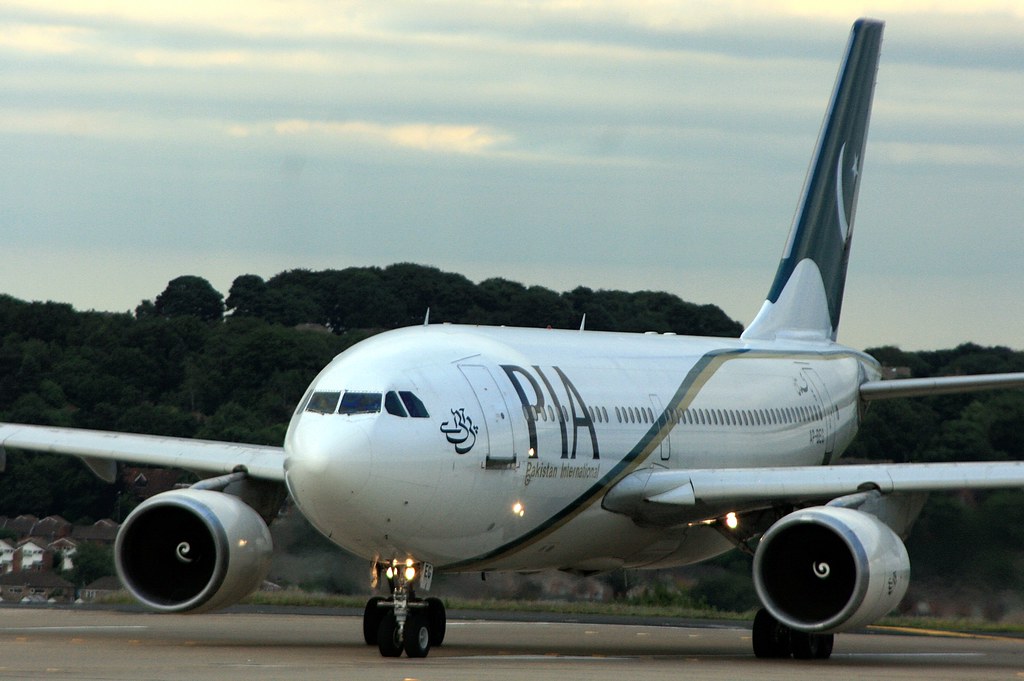
Several airlines fly from Islamabad International Airport. Local airlines include Pakistan International Airlines, Airblue, Serene Air and Fly Jinnah. These airlines connect Islamabad to important cities like Karachi, Lahore, Peshawar and Quetta.
International carriers also use the airport. Emirates and Qatar Airways fly travellers to the Middle East. Turkish Airlines transports passengers to Turkey and beyond. Connecting hubs allow flights to reach Saudi Arabia, the United Kingdom and a variety of European and Asian destinations.
Many Pakistanis living abroad utilise this airport to return home to see their families. Every year, the airport accommodates a considerable number of pilgrims travelling for Hajj and Umrah. Business travellers, diplomats and tourists visiting northern Pakistan’s mountain regions all pass through this hub on a regular basis.
Becoming Pakistan’s Busiest Airport
For years, Jinnah International Airport in Karachi was Pakistan’s busiest airport. This changed in the fiscal year 2024 to 2025 when Islamabad International Airport registered more overall passenger traffic than Karachi’s airport for the first time. This movement demonstrates how much travel demand has increased in the capital region since the new airport opened.
Management Changes
The Pakistani government announced plans on December 31, 2022, to hand over airport management to multinational operators. This policy aimed to attract international investment while also improving travel services. Officials wished to operate Islamabad International Airport together with other major airports using a public-private partnership model.
In October 2024, a 15-year leasing arrangement for the airport sparked debate. Critics questioned the fairness of the bidding procedure, and reports suggested that one bidder was barred from participating. Management discussions continue to impact the airport’s future operations.
A Symbol of Modern Pakistan
Islamabad International Airport is not just a place to board a plane. Many people take it as evidence that Pakistan can construct massive and modern infrastructure projects that satisfy international standards. The distinctive Y-shaped terminal, daylight-friendly architecture, and ability to hold the Airbus A380 all demonstrate a strong dedication to quality.
Some tourists recall early complaints about the airport, particularly issues with escalators, prayer places and food selections in its early years. From its initial stages, the airport has worked tirelessly to address these issues and improve the overall passenger experience.
For anyone flying to or from Pakistan’s capital, Islamabad International Airport now provides a seamless, roomy and modern experience. Its broad runways, growing list of carriers and continual stream of enhancements indicate that this airport will continue to play an important part in Pakistan’s airline destiny for many years to come.
If you want to submit your articles and/or research papers, please visit the Submissions page.
To stay updated with the latest jobs, CSS news, internships, scholarships, and current affairs articles, join our Community Forum!
The views and opinions expressed in this article/paper are the author’s own and do not necessarily reflect the editorial position of Paradigm Shift.

Paradigm Shift is an official staff account.