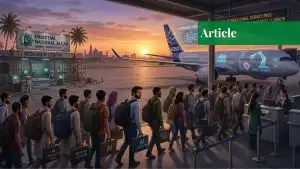

With the rise of globalization, the world has transformed into a global village, where everything travels almost instantly across different parts of the world, creating a rapid mass spread and acceptance of ideas, news, and trends. As a result, trend culture has emerged, in which ideas, aesthetics, products, and even behavior are rapidly consumed by the masses and, just as rapidly, discarded upon the arrival of a new replacement.
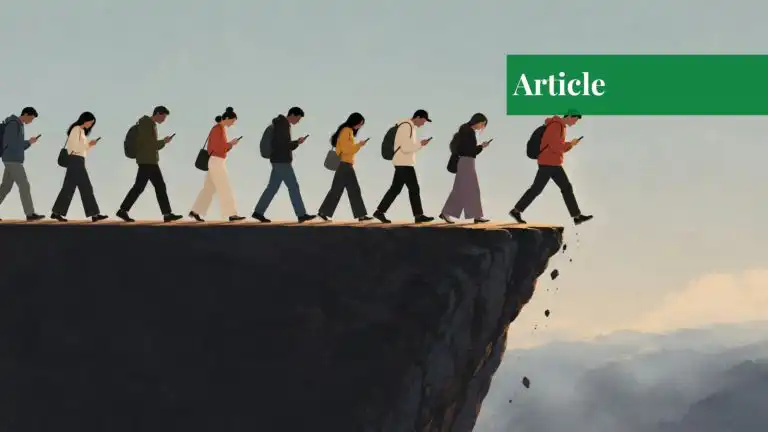
This makes one question the reasoning behind such behavior, and the bandwagon fallacy perfectly explains it. It dictates how, once a large enough number of people start practicing something, it is naturally perceived as flawless and acceptable by the human brain, often without critically considering its necessity in their lives. The plague of trend culture has not spared Pakistan, and we see trends take over reason, especially in the commercial sphere.

Some Examples that Hit Close to Home
For ages, people in the subcontinent have preferred cool beverages like “sharbat” of different sorts made out of local fruits and herbs to complement the hot climate they live in. However, the sudden growth of coffee houses, resulting in a “cafe culture” across Pakistan among urban youth, shows how globalized trends affect people regardless of the traditional practices around them. It has been found that coffee consumption among 18-to 25-year-olds is increasing at a faster rate than other beverages, and this is not an inherited love for coffee; it is an acquired taste that youngsters have adapted to be part of a global “trend.”
Similarly, the fashion industry further highlights the effects of trend culture, as we see absurd designs and styles being promoted and widely adopted simply because they are endorsed by celebrities or produced by high-end designer labels. The fashion industry has indeed experimented with a range of trends, from relatively harmless ones such as the hype around color-changing blushes, which were claimed to adapt to consumers’ skin pH, to the ridiculously overpriced and, might one add, absurd-looking “hoof shoes.”
But How Do These Trends Cause Harm?
The consequence of such a trend followed by the masses not only led to the overconsumption of fast fashion, but it also stripped people of their individuality and, to some extent, their free will to make decisions based on their needs and wants. Everyone ends up becoming the same person, as they wear the same outfits, follow the same makeup tutorials, and consume the same media, and there seems to be no space left for creativity or innovation.

Additionally, the idea of whether marketing affects people’s product consumption or whether their needs drive them to the products has been blurred because of these trends. This results in the exploitation of consumers, as they are made to believe that high-end products and monthly subscriptions to premium versions of a website, which are all luxuries that improve one’s experience, are necessities for a worthwhile life. This really makes one wonder whether true agency in decision-making exists anymore, or if we are all slowly becoming slaves to algorithms and marketing. Where does influence stop and enforcement start?
Excessive Use of Artificial Intelligence Tools Becoming a Trend
Recently, excessive use of AI, whether it be professional or personal, has become part of the trend culture. From large enterprises trying to integrate AI into their businesses to individuals accessing AI tools for personal use. McKinsey’s 2025 State of AI survey found that one-third of the survey respondents reported that their organizations had begun scaling AI across the enterprise; 88% of respondents reported regular use of AI in at least one business function.
This suggests that the widespread adoption of AI does not necessarily indicate that its use is essential or even fully integrated; rather, its growing prevalence may itself be encouraging further adoption. Similarly, the recent “Golden Glow AI Filter” used by netizens on their pictures or the infamous AI fruit videos that keep going viral online are both examples of irresponsible and unnecessary use of AI.
How It’s Leading to Our Doom
However, the consequence of this overconsumption is not merely the misuse of AI or it taking away our jobs; it is much more drastic. The International Sanitary Supply Association reported that AI data centers consumed 17 billion gallons of fresh water in 2023; this was amid one of the worst droughts observed worldwide, which continued till 2025. Not just this, the use of AI is predicted to increase by 300% in the next five years, with over a billion ChatGPT interactions in a day currently. The UN has predicted that by the end of this decade, water consumption by AI could rise to the annual domestic needs of 1.3 billion individuals. This suggests that the environmental cost of AI use is not merely a futuristic problem; rather, it is a substantial issue that persists to impact our present.
People need to understand the impact of mindless conformity to global trends and how their actions, which appear harmless, carry severe consequences for themselves and humanity as a whole. We need to unlearn the practice of blindly following trends and abandon the pursuit of external validation in order to achieve true freedom of choice and an escape from the cycle of overconsumption.
At the end of the day, trends are not inherently harmful; it is the practice of following them without giving critical thought to their necessity in life and the consequences they may have. Whether it is the coffee we drink, the clothes we wear, or the AI tools we use, we must learn to distinguish between what we genuinely need and what we are simply told to want. Otherwise, the bandwagon that once carried us towards convenience may ultimately carry us towards a much more drastic circumstance, where we are no longer choosing our trends, but our trends are choosing for us.
If you want to submit your articles and/or research papers, please visit the Submissions page.
To stay updated with the latest jobs, CSS news, internships, scholarships, and current affairs articles, join our Community Forum!
Find our FREE quizzes and MCQs here!
The views and opinions expressed in this article/paper are the author’s own and do not necessarily reflect the editorial position of Paradigm Shift.