
Every time there’s a diplomatic breakthrough, the optimism comes rushing in. Photos of world leaders shaking hands, signing some memorandum of understanding as they create this sense that a decades-old dispute is finally about to be resolved. Governments love to hold these documents up as milestones of peace, and the world tends to applaud right along with them, treating it as diplomacy winning out over conflict. But history tells a different story, again and again: most MOUs promise a lot more than they actually deliver.
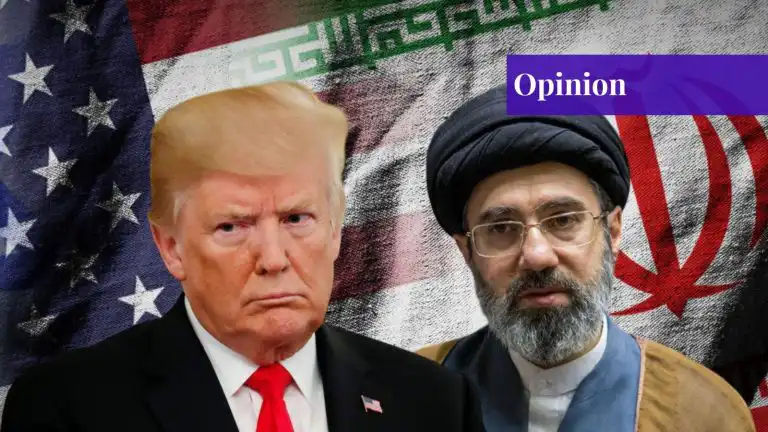
More often than not, they don’t resolve anything, as they just buy a temporary pause in hostilities before things pick back up. The recent US–Iran Memorandum of Understanding, which sought to de-escalate tensions and establish a framework for future negotiations over Iran’s nuclear programme and regional security, is a clear example of how political agreements can create the illusion of peace without addressing the deeper causes of conflict.
A Test of Fragile Diplomacy
The US–Iran MoU was intended to reduce tensions surrounding Iran’s nuclear programme, regional security, and economic sanctions. Both countries entered the negotiations by hoping to avoid direct military confrontation and restore diplomatic engagement. Both sides came to the table wanting to avoid a direct military clash and get diplomatic engagement back on track. But underneath that shared goal, what each side actually wanted was pretty different.
Washington was after tighter restrictions on Iran’s nuclear programme and more stability across the region. Tehran, on the other hand, wanted sanctions lifted, its sovereignty recognised, and real security guarantees. So, while the understanding did ease tensions for a while, the thorniest issues never really got resolved, which means the whole agreement was fragile from the start.
And honestly, the biggest problem isn’t even the specifics of the deal; it is trust, or the total lack of it. Four-plus decades of hostility, sanctions, proxy wars, and diplomatic isolation don’t just disappear because two sides sign a piece of paper. That kind of history leaves deep suspicion behind. In an environment like that, every statement gets read as proof while the other side is negotiating in bad faith. An MoU can put shared intentions on paper, but it can’t undo decades of distrust overnight. And without real confidence between the parties, even a carefully worded agreement is one bad news cycle away from falling apart.
There is also a simpler problem: governments change, but agreements are signed by governments. Elections happen, leadership shifts, domestic pressures build, ideologies clash, and suddenly a new administration doesn’t see the point in honouring what its predecessor signed. Add in regional allies, military establishments, and domestic interest groups all pulling in different directions, and you start to see why so many MOUs fall apart, not necessarily because the diplomacy was flawed, but because politics itself is unstable by nature.
A Pattern Repeated Across the World
The instability of the US–Iran MoU is not an isolated programme. Similar patterns have repeatedly emerged across the international scene. The 1994 Agreed Framework between the United States and North Korea initially promised to freeze Pyongyang’s nuclear programme in exchange for economic assistance and energy cooperation. However, these mutual accusations of non-compliance, growing mistrust, and changing political priorities eventually led to its collapse, allowing North Korea to resume its nuclear weapons programme.
Likewise, the 2015 Joint Comprehensive Plan of Action (JCPOA) was widely regarded as a landmark diplomatic achievement that would place strict limits on Iran’s nuclear activities. Nevertheless, the declining political commitment and the subsequent withdrawal of one of its principal parties had weakened the agreement significantly, as illustrated by how even more comprehensive diplomatic arrangements remain vulnerable to political change.
The Minsk Agreements of 2014 and 2015 were being negotiated to end the conflict in eastern Ukraine. Despite the repeated ceasefire commitments, violations continued, and weak enforcement mechanisms had been prevented by meaningful accountability. Ultimately, the agreements failed to prevent the escalation of conflict, demonstrating that the diplomatic understandings require effective implementation.
From Symbolism to Sustainable Peace
MOUs still matter as they open communication and ease immediate tensions through them. But they should never be confused with an actual solution. Lasting peace needs a lot more than a signature, including transparent implementation, legal accountability, and genuine political will to follow through. Governments should deal with what is causing the conflict in the first place by not just papering it over with symbolic agreements. In the end, diplomatic success isn’t measured by how many documents get signed, but by whether states actually honour what they agreed to.
If international diplomacy has taught us anything, it’s this: “peace doesn’t come from signatures alone.” Memorandums of Understanding can initiate dialogue and reduce immediate risks, but they cannot substitute for trust, political courage, and long-term cooperation. The US–Iran MoU serves as another reminder that agreements built on fragile foundations rarely withstand geopolitical realities. The MoU will continue to offer hope on paper while leaving conflicts unresolved in practice.
If you want to submit your articles and/or research papers, please visit the Submissions page.
To stay updated with the latest jobs, CSS news, internships, scholarships, and current affairs articles, join our Community Forum!
The views and opinions expressed in this article/paper are the author’s own and do not necessarily reflect the editorial position of Paradigm Shift.

Maham Asif is a bachelor's student of international relations at Government College University Lahore, passionate about international affairs, diplomacy, and democratic governance.