On July 26 and 27, 2026, more than 30 water systems in Minnesota were hit by cyberattacks. A few days later, matching exploits were lodged in other US states. By August, it was recorded that water systems in 12 states had been impacted. In some regions, workers failed to maintain control of parts of their systems and had to handle them manually. The attacks did not contaminate the water or cause significant damage to anyone, but they made it evident how a problem that starts on a machine can reach something as basic as the water we drink.
This incident may seem like something remote from our daily lives. But consider what happens when we turn on a tap. We expect water to come out without any reconsideration. Beneath that seemingly simple action, however, there are pumps, machines, and computer systems operating collectively. If someone gains control of these systems, even for a while, standard operations can instantly become complicated issues.
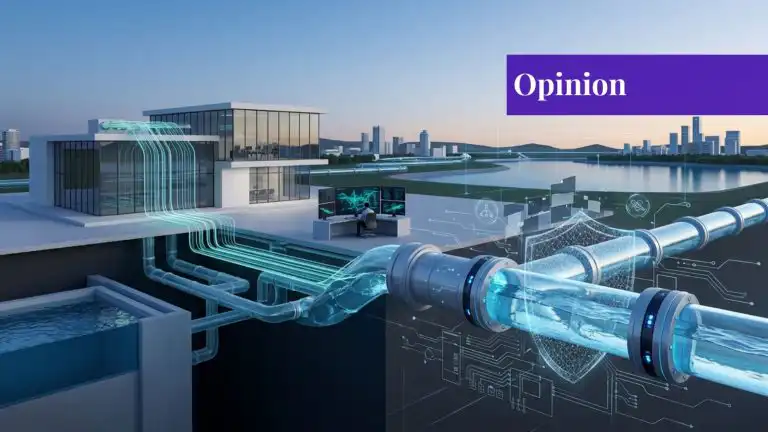
The hackers in these attacks did not need to breach some impossible computer systems. They hit small devices called programmable logic controllers, or PLCs. These devices help control pumps, pressures, and other parts of water systems. Some of these devices are connected to the internet and have poor security. In some scenarios, hackers changed passwords and settings, making it difficult for the people administering the water systems to manage them. Workers then had to take over manually.
This is what makes this whole event worrisome. It was not significantly about an excellent piece of technology. Sometimes the greatest issue is a fragile security system. A device that controls such sensitive services should not be left open to the internet without powerful surveillance. A poor password or an unsafe connection may look like a small issue, but when that device controls a water system, the consequences can be much bigger.
There is also another momentous aspect of this story. At that juncture, US officials were also inquiring whether Iran-linked hackers were behind this. Earlier, almost identical tactics had been used by Iran-linked groups against water facilities. However, officials had not publicly made a final decision about who carried out these attacks. This matter is significant because finding out who is behind a cyberattack is often difficult. Hackers can conceal their identity, use alternative systems, and make an attack look as if it came from somewhere else.
This case becomes even harder to overlook due to its timing. Just a few days before the attack, an advisory had already named the devices that were being targeted, and it warned the authorities to protect them. Some systems took the warning seriously and took necessary actions. Others ignored it and became the ones we are now reading about.
The broader implications are not only for the United States. If a country like the USA with substantial economic and technical resources can face difficulties while preserving its water systems, then countries with deficient resources should be worried. Many small water systems do not have large cybersecurity teams or enough money to constantly update their technology. This means that old equipment, weak passwords, and unsafe internet connections can become easy points of entry for attackers.
Instead of waiting for a similar incident to happen, countries like Pakistan should take it as a sign and make arrangements. Water protection and preservation is not just a public service, but it’s a matter of national interest and security. Public sectors, including schools, homes, hospitals, and industries in fact, everything depends upon it. If the systems responsible for water supply are attacked, then this problem can instantly affect all other sectors of society.
This doesn’t mean at all that every water system is under imminent threat of attack. It also doesn’t imply that US attacks caused huge devastation. Indeed, empirical evidence indicates that reported damage was limited, and functionality of water systems was restored. Despite all this, waiting for a major disaster to occur instead of improving the security systems would be a huge mistake.
The answer does not always have to be expensive or complicated. Water authorities need to know which systems are connected to the internet, protect them with strong security and regularly check for weaknesses. Workers also need basic cybersecurity training. Most importantly, governments should check critical infrastructure before an attack happens, not after.
For most people, cybersecurity feels like a problem for banks, phones, or computers. The recent attacks in the United States show that it is much bigger than that. Today, a cyberattack can reach the systems behind the water tap, the electricity switch, or other services we use every day. The real lesson is simple: in a digital world, protecting basic services also means protecting the country. Pakistan should learn this lesson now, while there is still time to prepare.
If you want to submit your articles and/or research papers, please visit the Submissions page.
To stay updated with the latest jobs, CSS news, internships, scholarships, and current affairs articles, join our Community Forum!
The views and opinions expressed in this article/paper are the author’s own and do not necessarily reflect the editorial position of Paradigm Shift.

Shehzadi Najaf is a 7th-semester BS International Relations student at the University of Gujrat, currently interning with the Cybersecurity Program at the Institute of Regional Studies (IRS), Islamabad. She has also interned with ISPR and the Centre for Research in Political Science and International Law (CFRPSIL), and her writing focuses on cybersecurity, international law, and strategic studies. Her work has previously been published in The Blind Side.