


Choosing a medical university is one of the most important decisions for students who dream of becoming doctors. In Pakistan, hundreds of students compete every year for a limited number of MBBS seats, making the choice of medical college particularly important. In countries like Pakistan, medical education is widely seen as a way to a stable and promising career. But with so many options, one question naturally comes up: Which medical universities in Pakistan are best for MBBS? Every year, thousands of students from across the country appear for entry tests to get admission to top medical colleges and universities.
No single ranking can answer this question for every student. Academic reputation, clinical exposure, teaching hospitals, research opportunities, admission merit, location, and fees all matter. Students should also ensure that their chosen institution is recognized by the Pakistan Medical and Dental Council (PMDC). Based on institutional reputation, medical education, clinical environment, and research standing, several universities and medical colleges stand out.
1. Aga Khan University, Karachi
When discussing the best medical colleges in Pakistan, Aga Khan University (AKU) is often among the first institutions considered. Its medical college offers a five-year MBBS program and admits students on merit without quotas or donation-based admissions. Students from across Pakistan and overseas can apply.
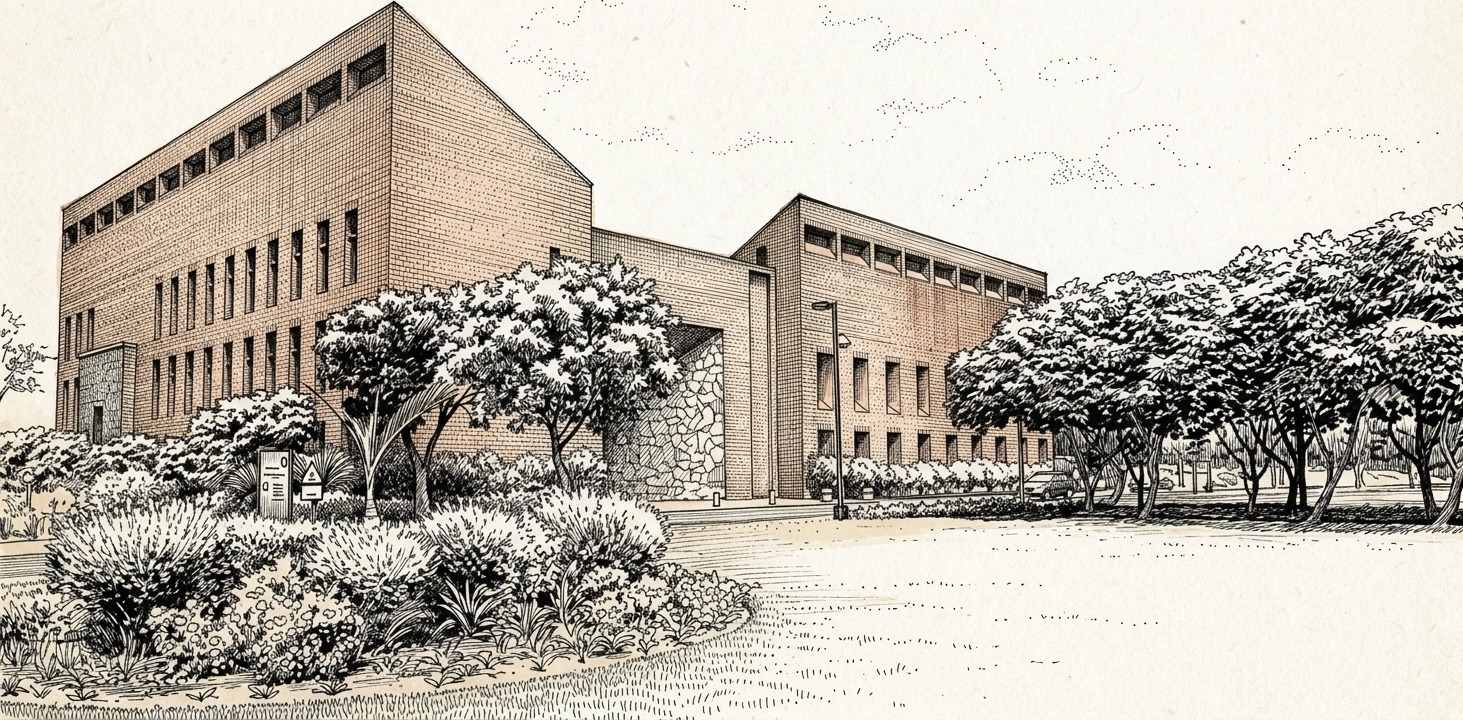
Aga Khan is particularly known for its emphasis on medical education, research, and modern healthcare. Its environment can appeal to students who want exposure to contemporary medical practice and are interested in research alongside clinical training. The university also offers need-based financial assistance, which can help medical students who might otherwise find private medical education financially difficult.
2. King Edward Medical University, Lahore
King Edward Medical University (KEMU) is one of Pakistan’s most recognized names in medical education. Its long history and association with major teaching hospitals have made it a prominent choice for students seeking public-sector medical education.
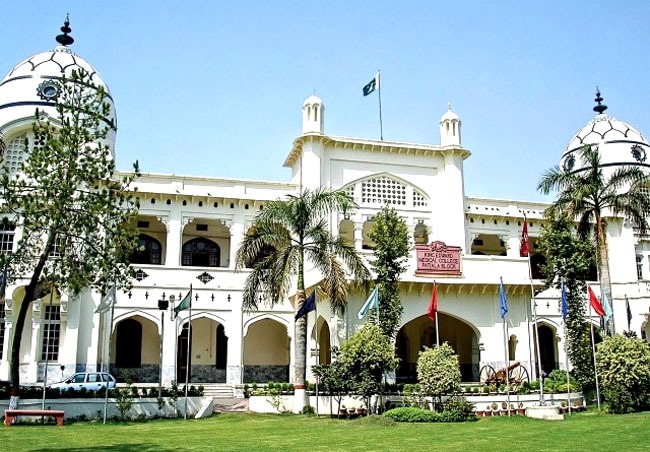
Admission to King Edward Medical College is highly competitive. In the University of Health Sciences’ first open-merit selection list for the 2025–26 session, candidates assigned to King Edward Medical University had aggregates ranging from above 96 percent to 94.91 percent. For Pakistani students searching for the best public medical colleges in the country, KEMU deserves attention for its established academic tradition and clinical environment.
3. Dow University of Health Sciences, Karachi
Dow University of Health Sciences (DUHS) is another major name in Pakistani medical education. Its flagship Dow Medical College offers a five-year MBBS program and combines basic medical sciences with clinically oriented teaching. The program currently lists 350 seats per year across its categories.
Dow also has a substantial academic and healthcare ecosystem. Its medical college describes its teaching approach as integrating basic and clinical knowledge, while the university offers undergraduate and postgraduate programs across medicine and other health sciences.
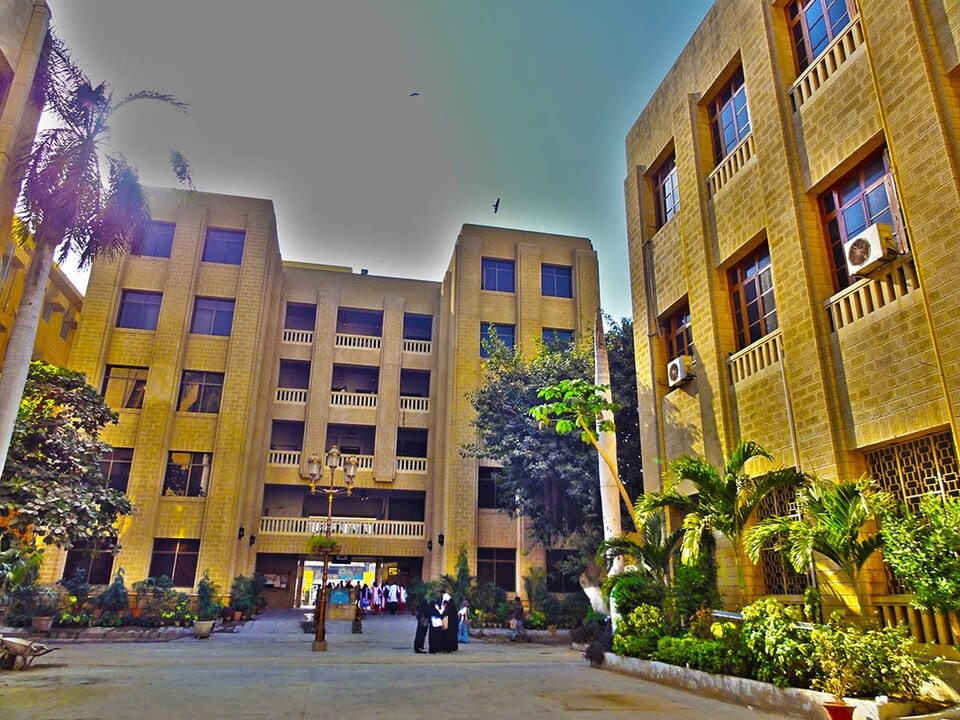
Research performance is another area where Dow stands out. EduRank’s 2026 Pakistan medicine ranking places Dow among the country’s leading institutions for medicine based on research publications and citations. However, this ranking measures research performance rather than undergraduate MBBS quality, so students should not interpret it as a direct college ranking.
4. National University of Medical Sciences (NUMS)
For students interested in military-affiliated medical education, the National University of Medical Sciences (NUMS) is an important option. NUMS conducts admissions for several constituent, affiliated, and Armed Forces-administered medical colleges. These include Army Medical College in Rawalpindi, CMH Lahore Medical College, CMH Multan Institute of Medical Sciences, HITEC Institute of Medical Sciences, Karachi Institute of Medical Sciences, and several other institutions.
One of the major attractions of the NUMS system is its access to specialized teaching hospitals. NUMS states that MBBS clinical training takes place through affiliated hospitals including Military Hospital, Combined Military Hospital, and the Armed Forces Institute of Cardiology. Students considering NUMS medical colleges should remember that admission requirements and merit calculations are different from those used by provincial public-sector admission systems.
5. Khyber Medical College and Khyber Medical University
Students in Khyber Pakhtunkhwa also have several established options. Khyber Medical College (KMC), Peshawar, is one of the province’s prominent public medical colleges, while Khyber Medical University plays an important role in medical and health-sciences education. Other established public medical colleges in KP include Ayub Medical College, Abbottabad, and Saidu Medical College, Swat.
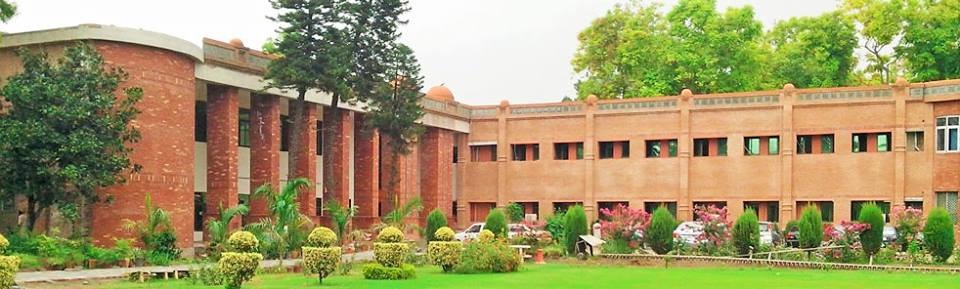
PMDC’s current public-college listing includes all three, with 250 MBBS seats at Ayub Medical College, 250 at Khyber Medical College, and 150 at Saidu Medical College. For students who want to study medicine close to home, these institutions can be particularly relevant. Location matters because medical education involves years of academic study and clinical rotations, and living costs can vary considerably between cities.
Other Strong Public Medical Colleges in Pakistan
Punjab has a large network of public medical colleges administered through the University of Health Sciences Lahore. Some of the best universities in Pakistan for MBBS also include Allama Iqbal Medical College, Nishtar Medical College, Services Institute of Medical Sciences, Fatima Jinnah Medical College, Rawalpindi Medical University, and Quaid-e-Azam Medical College. UHS’s public-sector selection lists include these institutions as part of Punjab’s MBBS admission system.
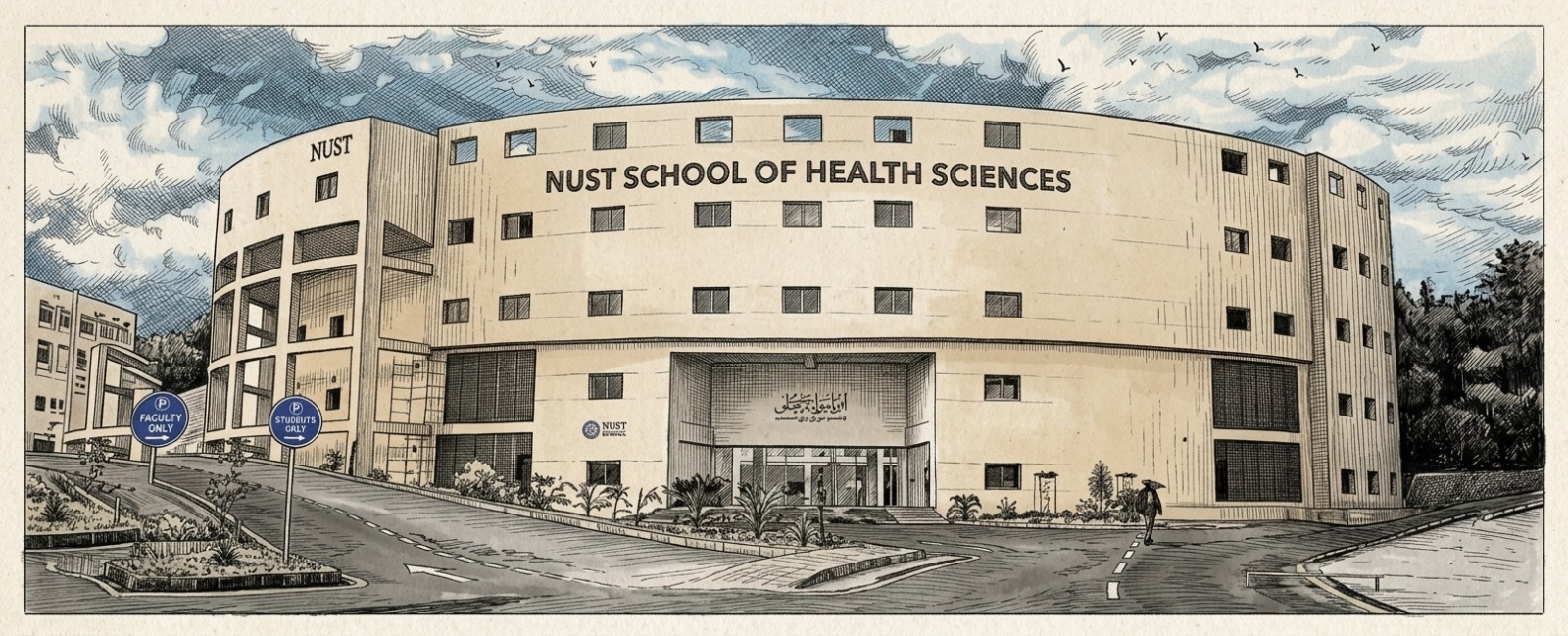
Public-sector colleges are particularly attractive to students because their tuition costs are generally much lower than those of private medical colleges. However, admission merit can be extremely high, and eligibility may depend on provincial domicile and the applicable admission regulations.
How to Choose the Best Medical University in Pakistan
The best medical university for one student may not necessarily be the best choice for another. Before applying, students should consider several practical factors. First, check PMDC recognition. PMDC maintains lists of recognized public and private undergraduate medical colleges, and this should be the starting point when evaluating any institution. Second, look at clinical exposure. A medical student’s education does not happen only in lecture halls. Teaching hospitals, patient volume, clinical rotations, and opportunities to interact with different cases are important parts of MBBS training.
Third, compare admission requirements and merit. The admission process differs in different institutions and provinces. For example, NUMS uses its own MDCAT for its constituent and affiliated colleges, while Punjab’s public-sector MBBS admissions are handled through UHS. Finally, consider the total cost. Tuition is only one part of the expense. Accommodation, transportation, books, examination fees, and living costs can significantly affect the overall budget.
Final Thoughts
Pakistan has a wide range of medical universities and colleges offering MBBS programs, from established public institutions such as King Edward Medical University, Dow Medical College, and Khyber Medical College to private and specialized institutions such as Aga Khan University and the colleges affiliated with NUMS.
Rather than relying on a single “top 10 best medical universities in Pakistan” list, prospective students should compare PMDC recognition, clinical training, academic environment, admission merit, research opportunities, fees, and location. A well-informed decision can make the demanding five-year MBBS journey more manageable and help students choose an institution that matches both their academic goals and circumstances.
If you want to submit your articles and/or research papers, please visit the Submissions page.
To stay updated with the latest jobs, CSS news, internships, scholarships, and current affairs articles, join our Community Forum!
Find our FREE quizzes and MCQs here!
The views and opinions expressed in this article/paper are the author’s own and do not necessarily reflect the editorial position of Paradigm Shift.
Abdullah Nisar holds a degree in journalism and mass communication from the International Islamic University, Islamabad. He is currently working as a freelance journalist.