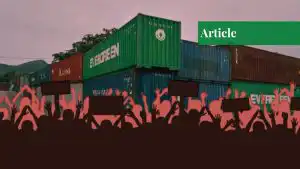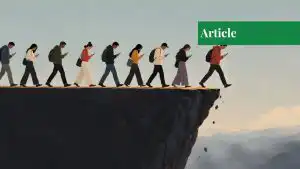
Pakistan’s streets are now thronged with ordinary citizens—and a new breed of news gatherer. Increasingly, citizens with just a microphone and a smartphone are becoming “journalists.” They upload videos and streams to Facebook, Twitter, TikTok, and other social media as events happen. But unlike professional journalists on staff at large media outlets, these citizen correspondents have no training, no editorial standards, and no responsibility to anyone.
The Problems with Citizen Journalism
This stampede of citizen reporting is a serious cause for concern about what we read. Professional reporters study ethics in school and have editors to verify their facts. Citizen reporters don’t enjoy that protection. Without training or supervision, some fall into sensationalism, chasing sensational shots or unsubstantiated gossip for clicks. In their rush to be first, accuracy may fall behind, and error can compound rapidly. One misleading clip can create confusion or even panic before anybody has a chance to correct it.
Another issue is privacy. In a society that very much regards family honor, recording individuals without their permission is a deep offense. Citizen journalists also tend to record bystanders, victims, or even minors in public spaces and post the videos immediately. These video clips become popular on the web and bring innocent people to the public gaze for mockery or harassment. We feel that our lives off-camera are private, but the age of immediate video has destroyed such faith. The majority of individuals are hurt by the unexpected reaction of an angry post.
The rising popularity of these freelance journalists also shows a gap between old media and new technology. Professional Pakistani news groups have fact-checkers and lawyers to ensure that information is fair and true. They are regulated by the Press Council of Pakistan and PEMRA, which demand honesty and privacy. Citizen journalists are outside all bureaucracy. On social media, anyone can post anything at any time, without asking. If a narrative is found to be incorrect or harmful, nobody will correct it, and nobody has clear responsibility.
Rumors and innuendos travel faster in this culture. When crises start on the internet, there are several versions of the same thing floating around. We’ve seen that happen recently with floods and protests in Pakistan. One low-budget video can become viral and cause fear or outrage. Then afterwards, it might be discovered that the information was incomplete or incorrect, but public opinion has already been formed.
Such incidents sow seeds of doubt: people start wondering whether any news source is true when different “reporters” come up with different versions of the same event.
Regulating a Changing Media Landscape
Until now, laws in Pakistan have not clearly defined who can claim to be a journalist. Our media regulations were last updated when there were television and newspapers, and only dealt with licensed media outlets. An untrained, phone-camera-carrying 18-year-old is not covered.
Without new rules, the media landscape will keep developing in unexpected ways. In Pakistan, for example, citizen journalists have begun holding forums and running training in ethics, factuality, and new media skills. These efforts need to be encouraged and expanded.
Regulators and technology platforms must balance simple precautions. They must tread lightly: no one wants to censor citizens or discourage spontaneous reporting of important news, but uncooked information also must be monitored. For example, social media sites might tag obviously unverified posts or make it easier to report videos that violate privacy or safety.
Pakistani officials could make our journalism legislation more transparent to include digital media creators and work with platforms to hold troubling content accountable. These ideas would require careful planning, but they can make abuse less probable and allow viewers to know what they can believe.
Overcoming Misinformation
The public deserves honest news. Media trust is vulnerable in any country, and so it is in Pakistan. If different individuals provide drastically divergent accounts of the same subject, the result is cynicism and confusion. It even creates legal and ethical loopholes: today’s unmoderated viral citizen video could become tomorrow’s talking point for politicians or pundits’ “fact” to reference, with questions of accountability hanging in the balance. Ordinary people are left uncertain about whom to believe when each camera presents an alternative version.
We need to remember that the purpose is not to silence smartphones or quash fresh voices. Technology has given an outlet for many silenced people to have a voice — from rural witnesses of a flood to online activists campaigning. The answer is not to switch off that power, but to enhance standards. Media organizations, authorities, and the public themselves have a stake in developing a culture of accountable reporting. That is to help young journalists learn about accuracy, fact-checking, and privacy, and instill practical ways of bringing basic accountability to online news.
If we do not address these problems, the difference between professional news and amateur writing will continue to erode. Proper reporting can succeed only if the citizens feel confident that the news they see has been filtered and genuine. By bridging the gap between citizen reporters and traditional standards of journalism, Pakistan can capitalize on the frenzy of social media and the legitimacy of trained newsrooms—building both for the good of society.
If you want to submit your articles and/or research papers, please visit the Submissions page.
To stay updated with the latest jobs, CSS news, internships, scholarships, and current affairs articles, join our Community Forum!
The views and opinions expressed in this article/paper are the author’s own and do not necessarily reflect the editorial position of Paradigm Shift.