
“Ebola Zaire is a slate wiper in humans.”
The Hot Zone, Part 1, Chapter 3
Ebola is recognized as one of the deadliest infectious diseases in the world that transmits quickly and causes severe illness, leading to a high mortality rate. It mainly affects underdeveloped areas that have weak medical infrastructures, poverty, a lack of hospitals, insecurity, and an unprepared healthcare system. These conditions make it harder and slower to respond effectively to outbreaks. However, the recent outbreak put Ebola in the spotlight again in the Democratic Republic of the Congo (DRC) and drew a large amount of global attention and concern. This crisis brought a new type of Ebola virus called the Bundibugyo strain; it rapidly spread to the region that was already going through several problems.

This outbreak demonstrates that this crisis is not only health-related but also a social, political, and humanitarian challenge as well. The Ebola outbreak, which became a recurring phenomenon, underscores the vulnerability of communities that live in African regions. WHO emphasizes rapid actions, protective measures, and community engagement to stop its spread; however, challenges make achieving outcomes difficult. These hurdles include delayed response, limited resources, and unsafe working conditions for healthcare teams, making the Ebola virus a major global health concern.
What Is Ebola Virus Disease?
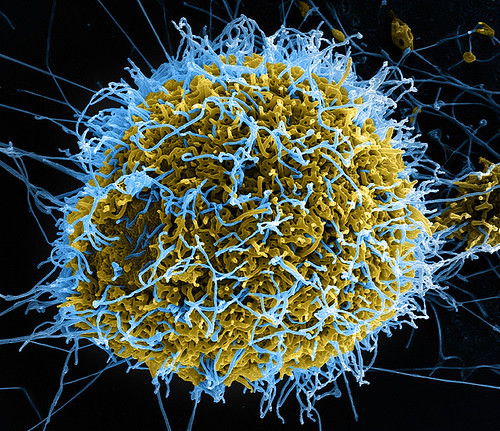
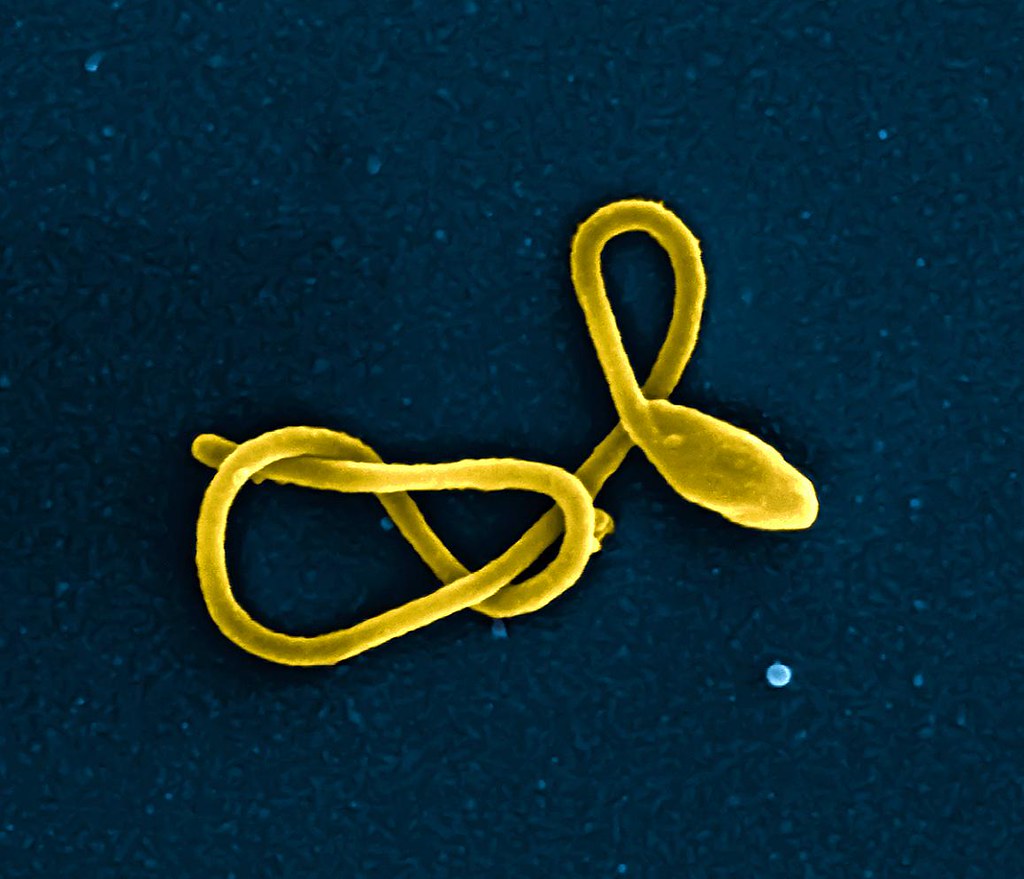
Ebola virus disease (EVD) is a life-threatening infectious disease triggered by the virus species from the Orthoebolavirus (found primarily in sub-Saharan Africa) that impacts humans and other primates. Although several species of these viruses have been identified, the Ebola virus, Sudan virus, and Bundibugyo virus are responsible for the major outbreaks that have occurred in different parts of Africa. According to the WHO, the initial transmission of the Ebola virus starts from infectious animals (such as fruit bats, porcupines, and non-human primates) to humans and quickly spreads among communities through contact with infected blood, secretions, and contaminated materials.
Past epidemics have demonstrated an extremely high fatality rate, around 50% (WHO). Common symptoms often experienced by Ebola patients include fatigue, headaches, abdominal pain, and internal bleeding in critical conditions. This disease is harder to contain in many regions of Africa because of poverty, lack of healthcare infrastructure, and medical facilities that worsen the spread of Ebola.
History of Ebola in Africa
The Ebola virus was first discovered in 1976 and occurred in remote villages of the Democratic Republic of the Congo (DRC) and in Central Africa near tropical rainforests. The virus was named after the Ebola River situated near the DRC. This time, the disease has become a serious medical crisis in Africa because of repeated outbreaks in the region with poor management, reflecting the countries’ long-connected history from the earliest recorded epidemics. The first serious outbreak happened in Yambuku in 1976; after that, it became a recurring health threat in Central Africa.
Before the current epidemic, the deadliest Ebola outbreak was recorded in 2014 and 2016. WHO recorded the Ebola health crisis cases at over 28,600 and deaths at more than 11,000, marking it as the most dangerous in history. This resulted in a change of international perception related to the Ebola virus, which transmits rapidly and became a global health emergency. This understanding promoted important development in vaccination, disease surveillance, and preparedness response systems.
Current Ebola Outbreak in the DRC
Although Africa has a history of Ebola, the recent epidemic underscores the continued threat of Ebola in the African region. The latest outbreak was confirmed when the WHO reported, on May 16, 2026, 6 laboratory-confirmed cases, 246 suspected cases, and 80 possible deaths in the Ituri Province of the DRC. This crisis is raising the demand for medical emergency services and resulting in numerous deaths, according to Reuters. Challenges are appearing to tackle the crisis because the area is the ground of instability, conflict, and insecurity.
The situation, however, is most concerning because the epidemic follows the recurring cycle in eastern Congo. It has become the biggest concern because of the mass population movements and an increase in the risk of violence, making it difficult to control the disease. As the Ebola virus intensified its reach to world organizations, the WHO declared it an urgent public health crisis and called for strong global action.
Another aspect of this issue is the specific species of the Ebola virus, which is itself a serious concern. The Bundibugyo strain has created challenges because the vaccination and treatment have not been properly developed for it. As a result, the medical team only depended on isolation, surveillance programs, and supportive care.
What Is Being Done to Control Ebola?
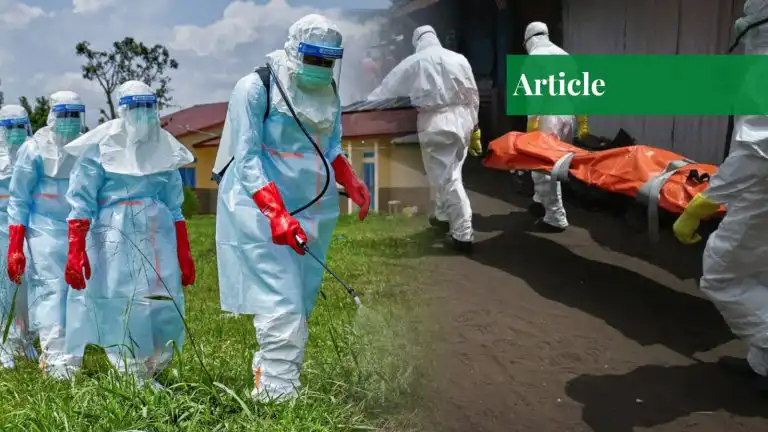
In response to the spread of the Ebola virus, different medical strategies have been introduced to control the virus. WHO recommended multiple measures to handle the crisis. For instance, the use of disease monitoring, contact tracing, laboratory testing, preventive measures, safe burial, vaccination, and social mobilization efforts. These measures collectively reduce the risk of Ebola transmission because the virus spreads through physical contact in households, healthcare centers, and funeral ceremonies.

Moreover, vaccination is an important tool for reducing the spread of Ebola during outbreaks. The ERVEBO vaccine is approved by the U.S. Food and Drug Administration (FDA) to prevent Ebola disease caused by Orthoebolavirus zairense. However, access to vaccines may be limited in some affected areas. Along with vaccination, early diagnosis, medical care, contact tracing, and preventive measures are essential to control the spread of the disease.
Internationally, the WHO and other organizations have played a major role in the response to the Ebola virus. For example, the World Bank has financially supported the Democratic Republic of the Congo, including a $555 million health and nutrition project to improve healthcare services and outbreak preparedness. Also, public awareness is important in controlling the spread of Ebola. Awareness campaigns help reduce misinformation, prevent delays in treatment, and improve outbreak response efforts by encouraging people to recognize symptoms early and seek timely medical treatment.
Challenges in Controlling the Ebola Outbreak
Despite the international effort, controlling Ebola faces many challenges. Controlling the virus is extremely difficult. The lack of early detection and access to medical treatment challenges the efforts. This is because of poverty and the fragile healthcare system. Most of the virus cases are detected in remote or village areas that have poor roads, fewer hospitals, and sanitation crises. This area provides the breeding ground for the outbreak.
Another serious challenge is the flow of misinformation about the disease among communities. The fear of being killed or isolated makes people avoid treatment. In many cases, the public refuses to accept healthcare regulation because of tradition and distrust of outsiders (for example, the ban on funeral customs to stop the transmission of diseases). Moreover, voice and insecurity also prevent healthcare measures. Armed conflict restricts medical assistance in the affected areas and spreads disease faster without treatment. As a result, the chain of this outbreak continues, and if serious action is not taken soon, it will become a dangerous and uncontrollable disease in the world.
In summary, Ebola remains one of the infectious diseases in the world due to its quick spread, serious illness, and high fatality rate, making it a global health threat. The recent outbreak shows how easily it comes and has caused several deaths, and now it is not just a one-time disease but a recurring disease in the DRC. We recommend safety measures such as isolation and vaccination to find the treatment. This outbreak demands collective action, strong aid, and a healthcare system to avoid future crises.
If you want to submit your articles and/or research papers, please visit the Submissions page.
To stay updated with the latest jobs, CSS news, internships, scholarships, and current affairs articles, join our Community Forum!
The views and opinions expressed in this article/paper are the author’s own and do not necessarily reflect the editorial position of Paradigm Shift.

Mahnoor Gujjar is a student of English literature and linguistics at the National University of Modern Languages (NUML), Hyderabad Campus.