Introduction
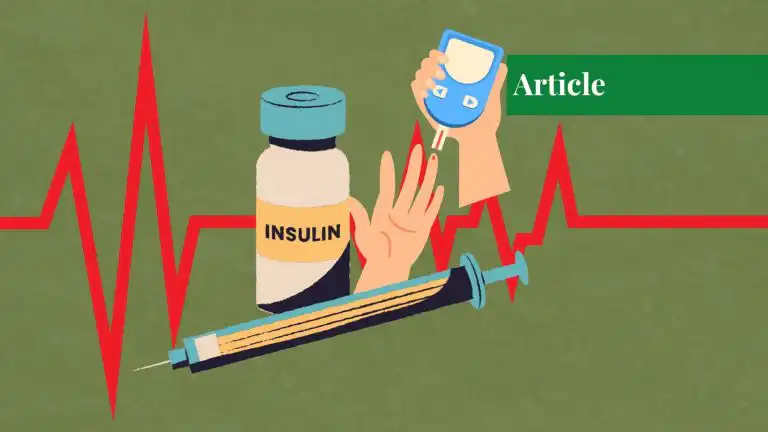
Diabetes is a chronic disease in which the sugar level of the human body increases above normal. It happens when the body can’t produce or use insulin properly. Insulin is a hormone that helps the body process sugar into energy. When this process is disturbed, there is a lot of glucose in the blood, and this causes diabetes.
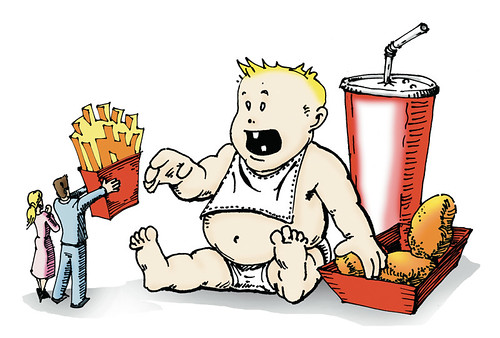
Type 2 diabetes is more common across the world than type 1 diabetes. Type 2 diabetes occurs as a result of people’s bad lifestyle choices, such as eating junk food or eating irregularly with no physical activity, obesity, and so on. Type 2 diabetes itself isn’t that dangerous, but the circumstances of it are more dangerous, which include amputation, cutting a body part to prevent further spread of diabetes.
In Pakistan, diabetes has become one of the most serious public health challenges. Once it was observed in some urban areas, but now it is common in both rural and urban areas. Approximately 34.5 million people are suffering from diabetes, as per the WHO reports of 2025. According to the WHO, Pakistan is among the countries with higher rates of diabetic patients. As per the reports provided by IDF, 11 million adults in Pakistan have a risk of having type 2 diabetes due to impaired glucose tolerance (IGT). The rapid rise of diabetes in Pakistan is due to changing lifestyles, poor dietary habits, and gaps in public health awareness mechanisms.
Symptoms of Diabetes
The following are some early symptoms of diabetes:
- Feeling very thirsty
- More urination
- Blurred vision
- Fatigue
- Frequently losing weight
Diabetes has variations; each variation or type has different symptoms. Early diagnosis can be beneficial in curing it. If it is not treated properly, then it may damage some vital organs of the human body. The most common symptom of diabetes is a foot ulcer, which may lead to amputation. In diabetes, the symptoms can be mild and may take many years to be noticed.
Major Causes of the Rise in Diabetes in Pakistan
The following are some of the major reasons behind the rise of diabetes in Pakistan.
Urbanization
Due to urbanization in Pakistan, the way of living has changed. This has decreased physical activity. In the past, people went to the office by cycle or on foot, but now they use different vehicles. In the past, instead of mobile phones, children and adults used to play outdoor games daily. This lack of physical activity in Pakistan has led to an increase in diabetes.
There are many countries like Korea and Japan, which are also urbanized and more developed than Pakistan, but still, they have a low rate of diabetes. This is because they use cycles or tramp walks when going to schools or offices, and they also promote physical activities. Ashraf Nizami, a medical expert, said that more than a thousand schools in Pakistan are established on small plots of approximately 120 to 600 square yards.
Due to this, many schools don’t have playgrounds; in fact, they do not have proper classrooms for students. Due to this, there is a lack of physical activity, which leads to diabetes. Also, there is a lack of gym centers and walking tracks in Pakistan, as nowadays people enjoy using mobile phones more than doing exercise.
Changing Food Culture
In the past, people used to eat home-cooked meals in Pakistan, but now people, especially children, prefer to eat outdoor, unhygienic food. Outdoor food is usually so oily, and there is also doubt whether they are using fresh oil or not. Now, not only oil but also many restaurants and hotels in Pakistan use frozen and rotten ingredients, which leads to health diseases, such as diabetes.
Even though the media has exposed many hotels in Pakistan that were so unhygienic, people are still buying outdoor food. Just for their taste and ease, they are risking their lives. In Pakistan, a lot of people consume desserts quite often, and they take tea a number of times a day. Sugar isn’t one of the significant causes of diabetes, but when you have diabetes, sugar is hazardous. Collectively, high consumption of desserts, oily foods, and other foods increases the risk of diabetes, especially in Pakistan.

Lack of Awareness
There is a misconception about diabetes that natural or homemade food cannot cause diabetes. Especially in Ramadan, people consume too much oil and sugary drinks, labeling them as “natural” and assuming that this homemade food cannot increase their sugar level, and through prayers and spiritual practices, they can control having diabetes. In this regard, health awareness can play an important role in raising awareness about diabetes.
In rural areas, people deny having any disease due to a lack of awareness. Mostly, they don’t consult a doctor; rather, they depend on “pirs.” They assume that those priests can heal them, but in reality, those priests have no idea about how to cure any disease; they do this only for money and fame. Even though social media has exposed many of them, this system is still prevailing.
Also, they follow the guidelines of “hakeems“; no doubt hakeems in the traditional era were pure like gold, but nowadays many of them are unqualified, and they provide some “quick cure” medicines, which are so injurious to health. Mostly, they are like some powdered substance that does not heal but instead causes harm. It is a common saying that “along with prayer, medicine is also necessary.” Due to these reasons, approximately 26.9% of adults with diabetes are undiagnosed. Also, the treatment of diabetes is costly, which prevents approximately 22% of the population in Pakistan from accessing proper treatment.
Solutions
At times, there was no permanent solution for diabetes, but now China has become the number one country in curing type 1 and type 2 diabetes. Also, scientists have discovered a vaccine for type 1 named DiaPep277. Apart from these medical treatments, there are some other precautions that, if taken seriously, can prevent one from having diabetes. The following are those measures:

There must be summer camps for sports in each district of Pakistan so that people from different areas can join them and participate in physical activities. This will help them to prevent diabetes, and also, in the future, they can represent Pakistan on the national and international levels of sports.
Furthermore, the media should be careful in promoting food brands. Most of the media is promoting junk food through advertisements. The media should encourage people to live a healthy lifestyle rather than promoting junk food brands. In addition, there are some cases where people are shown smoking in ads, their followers get influenced by them, and start smoking, leading to lung failure, especially among people with diabetes.
Public awareness campaigns must start at the school level. They must go to schools, and through fun games and quizzes, they should educate children about diabetes, its symptoms, and how to prevent it. Early education can lead to a significant reduction in diabetes in Pakistan. Also, they should go and advertise in rural areas, as there is a lack of awareness among them, and also, there is a lack of medical facilities.
Pakistan spends less than 1% of its GDP on healthcare. Diabetes medicines, including insulin, are so expensive, between 2000 and 7000 PKR per month. Hospitals in Sindh provide free medications to patients, but overall, in Pakistan, there is no special treatment for patients. The government should take this issue seriously. 58% of employees have quit their jobs due to a lack of essential medical facilities. It can also cause economic loss to Pakistan. To overcome this issue, the government should provide free medical facilities and also establish funds for them.
Conclusion
Diabetes is rapidly increasing in Pakistan. It is becoming a serious health issue; if not taken seriously, it could increase life loss in Pakistan. Individuals must adopt a healthy lifestyle, such as early awakening, doing some physical exercise, including basic stretching, eating a healthy breakfast and dinner on time, avoiding outdoor food and chips, and seeking routine medical checkups.
If these steps are done regularly, one can prevent suffering from diabetes, and also, if a person is suffering from diabetes, this routine can help them to cure it. It will take time, as natural healing requires patience and consistency, but now there are solutions to cure type 1 and type 2 diabetes, so a healthy routine and medical treatment can reverse diabetes.
“Diabetes is not the end; it is the beginning of a new way of living.”
If you want to submit your articles and/or research papers, please visit the Submissions page.
To stay updated with the latest jobs, CSS news, internships, scholarships, and current affairs articles, join our Community Forum!
The views and opinions expressed in this article/paper are the author’s own and do not necessarily reflect the editorial position of Paradigm Shift.

Syeda Farani Fatima is an undergraduate student of International Relations at the International Islamic University of Islamabad, with a strong interest in anti-corruption, counter-terrorism and geopolitics. Strongly committed to fighting corruption, terrorism, and supporting national reform through research and public service.