Summary
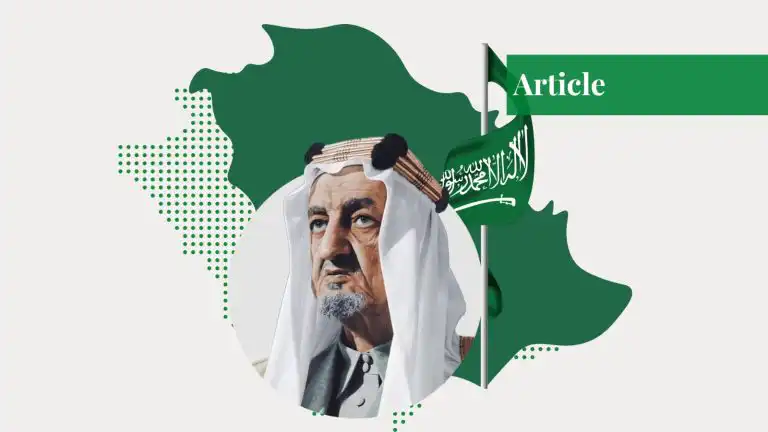
King Faisal bin Abdulaziz Al Saud (1906–1975) was the third king of Saudi Arabia, reigning from 1964 until his assassination in 1975. He is best remembered for modernizing the kingdom through education and infrastructure reforms, abolishing slavery, and leading the 1973 Arab oil embargo—a move that reshaped global oil politics and established Saudi Arabia as a major world power.
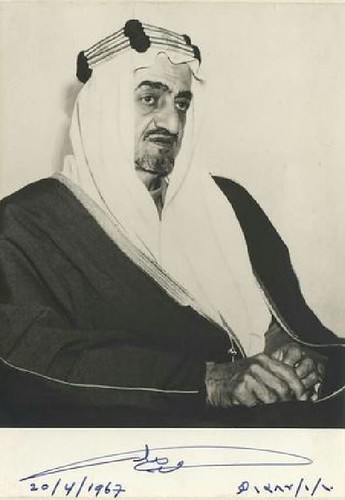
Some rulers are remembered for a single defining moment. King Faisal is remembered for several—a wartime commander at eighteen, a diplomat at thirteen, a reformer who abolished slavery, and the man who turned oil into a tool of international politics. For a figure whose name still comes up constantly in conversations about the modern Middle East, surprisingly few people outside the region know his full story.
This guide covers everything worth knowing about King Faisal—his early life, his path to the throne, what made his reign historically significant, and the events that ultimately ended it.
King Faisal: Brief Profile
Faisal Bin Abdulaziz Al Saud served as the King of Saudi Arabia between 1964 and 1975. Faisal was the 3rd king in the history of the Kingdom of Saudi Arabia. He was the third son of King Abdulaziz, who founded the Kingdom of Saudi Arabia. He became the king of Saudi Arabia in 1964 after the fall of his brother, King Saud.
King Faisal was a powerful leader not only within his nation but also in the entire Arab world because of his leadership skills and foreign policies that were effective. Indeed, he had been involved in the governance of his nation and shaping the nation’s policy in the area of diplomacy and economy long before he became the king of Saudi Arabia.
Early Life and Family Background
King Faisal was born in Riyadh in April 1906 during a time when his father was winning the Battle of Rawdat Muhanna against a rival. King Faisal was named after his grandfather, who was the 2nd Imam of the Second Saudi State.
The mother of King Faisal died just five months after his birth, and Faisal was brought up by his maternal grandmother under the custody of his grandfather, who was an Islamic scholar. Faisal managed to learn how to read the Qur’an and finished it when he was nine years old.
His path in public life started remarkably young. He began taking on state responsibilities at just 13, serving as a soldier in his father’s army, and by 18 he was commander of Saudi forces in Asir, leading campaigns that helped bring the Hijaz region into the kingdom. His father also selected him for diplomatic missions abroad starting at age 15—an unusually early start for a career that would eventually define his legacy.
The Path to the Throne
Faisal became Saudi Arabia’s first foreign minister in 1930, and he was appointed foreign minister and viceroy of Hejaz in 1926, after his father conquered the province home to the holy city of Mecca. In 1934, he led a victorious military campaign against Yemen, and he later represented Saudi Arabia at the 1945 United Nations Conference, followed by a term as ambassador to the UN General Assembly.
After his father’s death and his brother Saud’s accession in 1953, Faisal became crown prince and foreign minister. The relationship between the two brothers grew increasingly strained in the following years, largely because of sharp differences in governing style and fiscal discipline.
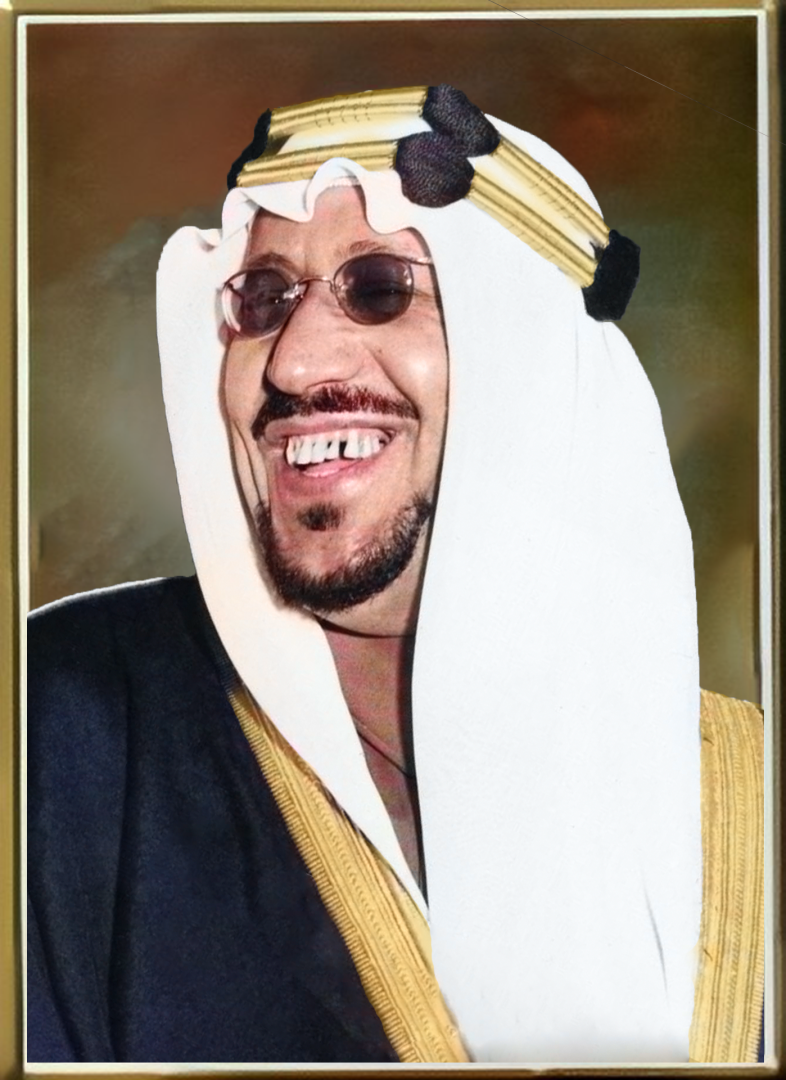
In an economic crisis in 1958, Saud handed Faisal full executive powers. Faisal resigned that authority in 1960 but returned to it in 1962, and by March 1964 he had assumed full powers as regent. Later that year, Saud was formally deposed by senior royal family members, religious leaders, and the Council of Ministers, and Faisal became king in November 1964.
Why King Faisal Is Famous
King Faisal’s reign is remembered for a combination of sweeping domestic reform and assertive foreign policy—a balance that was unusual for the region at the time.
Modernizing Saudi Arabia
His reign saw extensive domestic reforms, including major modernization initiatives in education. He oversaw significant investment in education and healthcare, leading to real improvements in literacy rates and public health in the country, and pushed to establish public schools for girls, a reform that met considerable resistance from conservative factions at the time.
Abolishing Slavery
Slavery persisted in Saudi Arabia until Faisal issued a decree for its total abolition in 1962, freeing thousands of people from captivity, with the government compensating former slave owners as part of the decree.
Transforming the Economy
Faisal played a central role in shifting Saudi Arabia’s economy away from agriculture toward one built on oil revenue. He stabilized the kingdom’s finances during a period of real economic uncertainty, and his conservative fiscal policy—combined with rising oil income—eventually balanced the national budget.
The 1973 Oil Embargo
This is arguably what King Faisal is best recognized for internationally. He used oil as a political tool during the 1973 embargo, leveraging it to support Arab nations in their conflict with Israel. In response to Western support for Israel during the October War of 1973, Faisal led the Arab oil embargo, cutting exports to targeted nations—a move that quadrupled oil prices and reshaped the global economy almost overnight. He described oil as a moral instrument, one that could not be used to prop up what he saw as injustice against the Palestinian people.
Global Institution-Building
Faisal played a foundational role in the formation of both the United Arab Emirates and OPEC, moves that helped transform Saudi Arabia into a genuine world power. He was also central to founding the Organization of Islamic Cooperation, reflecting his lifelong emphasis on Pan-Islamic unity.
Lesser-Known Facts About King Faisal
- His full name traces an extensive royal lineage back by generations of Al Saud ancestry, reflecting the depth of Saudi Arabia’s tribal and dynastic history.
- His assassin was his own nephew, Faisal bin Musaid, the son of his half-brother Musa’id.
- Despite his global influence, he described himself in a speech shortly after becoming king by asking to be seen as “both brother and servant,” insisting that majesty belonged to God alone.
- The name “Faisal” derives from an Arabic root meaning “decisive” or “one who separates right from wrong”—a fitting name given how central decisiveness was to his reign.
- He introduced television to Saudi Arabia in 1965, a controversial move at the time that nonetheless modernized communication and opened a new platform for education as well as culture.
King Faisal at a Glance
| Detail | Information |
|---|---|
| Full name | Faisal bin Abdulaziz Al Saud |
| Born | April 14, 1906, Riyadh |
| Died | March 25, 1975, Riyadh (assassinated) |
| Reign | 1964–1975 (11 years) |
| Predecessor | King Saud (half-brother) |
| Successor | King Khalid (half-brother) |
| Father | King Abdulaziz Al Saud (founder of Saudi Arabia) |
| Known for | Oil embargo of 1973, education reform, abolition of slavery |
Conclusion
The life of King Faisal is quite unique; that is, a ruler who was a deeply religious man yet managed to make his nation embrace modern education, an economically conservative ruler who changed the whole landscape of oil politics around the world, and the monarch who freed people from slavery in a difficult part of the world. Almost 50 years after his death, his decisions during the oil crisis of 1973 are still analyzed as one of the greatest illustrations of the impact a person could have on the global economy throughout many decades.
FAQs
Faisal was born on April 14, 1906, in Riyadh, in what was known at that time as the Emirate of Nejd and Hasa.
He ruled for 11 years, starting in November 1964 and finishing with his assassination in March 1975.
King Faisal is mostly known for his leadership in the Arab oil embargo of 1973, his domestic reforms in education, and his declaration abolishing slavery in Saudi Arabia in 1962.
If you want to submit your articles and/or research papers, please visit the Submissions page.
To stay updated with the latest jobs, CSS news, internships, scholarships, and current affairs articles, join our Community Forum!
Find our FREE quizzes and MCQs here!

Paradigm Shift is an official staff account.