The Millennial Workforce
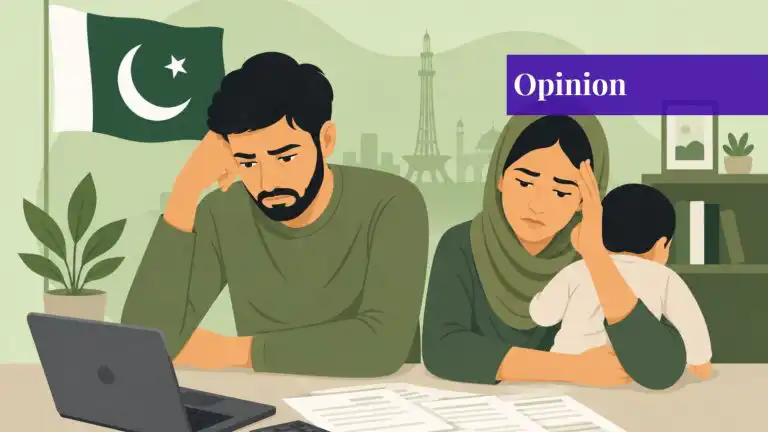
In 2026, all of us who were born between 1981 and 1996 are now millennial parents, raising our kids in the most economically exhausted, isolated, and expensive era ever. This exhaustion is not because we are not working hard or because we are poorly planned, but because drastic economic shifts are forcing us to run as fast as possible. In most households, both husband and wife now work, not only by choice but also out of necessity to cover expenses, yet the income is still short by the end of the month.
Looking back at our parents’ economic journeys, most had one breadwinner, usually the father. Women traditionally stayed in domestic roles as housewives. At that time, one income source was enough to build property, save, raise children, and face less economic pressure. By contrast, we millennials often have more than one income earner, yet most of us still rent houses, save little or nothing, and remain the most financially insecure generation. This is not just generational complaining; tangible changes have occurred in Pakistan’s economy over the past several years, and they cannot be ignored.
Unlike previous generations, today, more women have entered the economic race by stepping into paid jobs. In previous generations, women were typically bound to a domestic role, not universally but across Pakistan’s rural and urban settings. Now, the situation is different. This is due to the work of gender-inclusion activists, women’s rights campaigns, and policies that aim to include more women in the economy and paid work than ever before.
Pakistan’s female labor force participation was close to 21% prior to 2019, which has increased to about 24% by 2024-25. This is not a small number if you consider the total population of Pakistan. It adds another million people, and a large number of women are now actively seeking paid work. However, improvement in one aspect cannot offset the increasing pressure on another.
Why It’s More Difficult for Millennial Parents
The labor market now includes working people from both genders; in a household, both parents are now looking for jobs. The market is offering the same number of jobs, the same number of wages, and the same low number of jobs available. With the increase in the number of candidates, the market has not grown fast enough to absorb the increasing labor force.
It is not just an opinion. The Pakistan Bureau of Statistics said Pakistan’s unemployment rate was 6.9% in 2018-19. According to the Labor Force Survey 2024-25, the unemployment rate has increased to 7.1% by the end of 2025. This number might seem to be a small change, but it does not show the real image of a feeling of being a millennial parent: sending an application for a whole month, watching your partner do the same, clarifying to your child the reason for the delay in school admission fees, and delaying many plans.
The most frustrating thing for millennial parents is the judgment and blame that our generation is not very disciplined, does not work hard, and is not as smart as previous generations. I deny this misconception. Previous generations succeeded in building homes and making careers in an economy with a balance between the number of people seeking jobs and the number of jobs available. It’s not about hard work but about the change in the rules of race.
The Employment Struggle
Today, both genders are searching for jobs, not by choice but out of a need for survival. The cost of living, healthcare, housing, and education have increased more than our earnings. This demand has pushed more people into the already limited job market, and the unemployment figures above indicate that the economy has not grown enough to accommodate this increase.
This change in the economy happened, combined with the past few hard years, and afterward, in 2019, Pakistan went through. In 2019, COVID-19 closed markets, and many people lost their jobs. Then in 2022, floods hit Pakistan, which caused damage of nearly $30 billion. In 2025, war between India and Pakistan affected the Pakistan Stock Exchange. Recently, a conflict between Israel, Iran, and America caused an increase in fuel prices. Subsequently, rising prices for necessities like electricity, wheat, cooking items, and other essentials made everything difficult to afford. Collectively, these events build pressure on people to enter the job market, particularly as the number of women seeking jobs increases.
Here, I will be cautious because I am not arguing against working women. It is a statement about more people entering the same market with limited opportunities. Pakistan’s job market and economy are not growing at the same pace as the number of jobs needed. This is an observation, but not a blame on women, who are entitled to work. It is intended as an appeal to be honest about the shifts in Pakistan’s economy after 2019.
To address the actual reasons for unemployment in Pakistan, policymakers should investigate the gap between the number of jobs the job market produces and the number of people seeking jobs.
If you want to submit your articles and/or research papers, please visit the Submissions page.
To stay updated with the latest jobs, CSS news, internships, scholarships, and current affairs articles, join our Community Forum!
The views and opinions expressed in this article/paper are the author’s own and do not necessarily reflect the editorial position of Paradigm Shift.

Mariam Jabeen is a researcher with an academic background in gender studies and a professional interest in governance, gender, and civic engagement. A gold medal graduate of Fatima Jinnah Women University, she has contributed to research on right-to-information assessments of district administration websites and an assessment of political parties' websites in Pakistan.