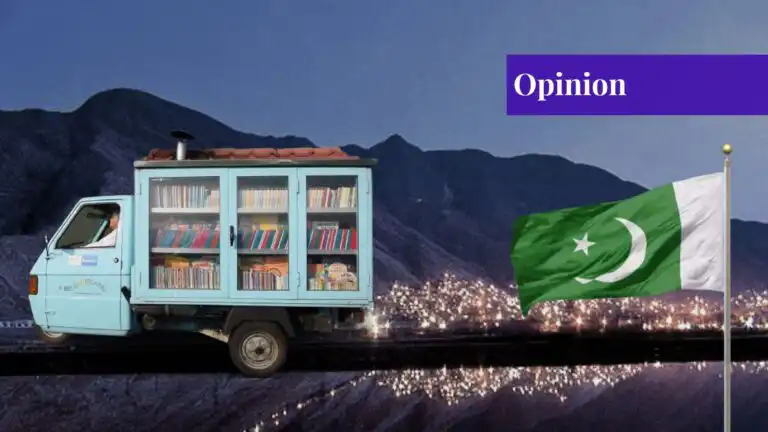
In today’s world, digital technology is transforming the way students and teachers access information. Libraries everywhere are using mobile technology to make learning easier, but in Quetta, Balochistan, academic libraries are still behind in this trend. This gap reflects a larger issue in Pakistan’s less developed areas, where digital services are not yet widespread. A recent study in Islamabad explored the use of mobile services in academic libraries, highlighting both benefits and challenges. These findings can help educational institutions in Quetta adopt mobile services to improve access to knowledge and make libraries more efficient.
Benefits of Mobile Libraries
Mobile technology has the potential to transform academic libraries in Quetta. With over 189 million mobile users in Pakistan, libraries can use mobile services to provide round-the-clock access to learning materials, support research, and promote teamwork among students.
Research from Islamabad shows that mobile library services have made it easier for students to access information and communicate with librarians without having to visit the library in person. This is especially important in Balochistan, where students often struggle with transportation due to long distances and security issues.
Mobile apps can help students browse library catalogs, get updates on new books, and seek guidance from librarians remotely. Around the world, mobile library services are making education more accessible, and if Quetta’s institutions embrace this trend, knowledge will become more available to everyone regardless of where they live.
Challenges for Quetta
Several challenges prevent the widespread use of mobile services in Quetta’s libraries. The study in Islamabad pointed out key issues such as low digital literacy, security risks, financial constraints, and poor infrastructure. These problems are even more serious in Quetta.
One major issue is the lack of fast internet. According to the Pakistan Telecommunication Authority, many parts of Balochistan still do not have reliable broadband, making mobile library services ineffective for many students. Many librarians are not trained in digital tools, which makes it difficult for them to manage mobile library systems. Without proper training, it will be hard to introduce and maintain these services.
Another challenge is that many academic institutions are hesitant to change. Traditional library methods are deeply rooted in Quetta, making it difficult for libraries to switch to digital platforms. There are also concerns about data security and privacy, which discourage institutions from adopting mobile services. The lack of clear policies and institutional support adds to these difficulties, leaving libraries unprepared to adopt modern technology.
Adopting a Digital Library Culture
To successfully introduce mobile services in Quetta’s academic libraries, multiple efforts are required. The research from Islamabad suggests that government agencies, universities, and technology providers must work together to overcome these barriers. First, the provincial government and the Higher Education Commission (HEC) should focus on improving internet access in Balochistan, especially in educational institutions.
Universities must also arrange regular training programs for librarians to improve their digital skills so they can effectively use mobile technology. Collaboration with telecom companies can help by providing discounted internet packages and affordable smartphones for students, making digital access easier.
Addressing security concerns is also crucial. Libraries need clear policies to protect user data and ensure mobile services are safe and reliable. Universities should launch awareness campaigns to inform students and teachers about the benefits of mobile library services, encouraging them to use these tools.
Introducing mobile technology in academic libraries is not just about upgrading systems; it is essential for the future of education in Quetta. By overcoming these challenges and implementing effective policies, educational institutions in Balochistan can bridge the digital gap and make learning accessible to all. The insights from Islamabad’s study provide a useful guide showing that with the right support and investment, mobile technology can greatly improve library services in Quetta and create a more inclusive learning environment.
It is also possible to change the image through awareness campaigns. Seminars, orientation, and the use of social media to market the advantages of mobile library services need to be encouraged among universities. Educating students and faculty on how digital tools can improve their learning process will help it become more acceptable and distributed.
Finally, bringing mobile technology to academic libraries is not just an added convenience, but a requirement of future-ready education in Quetta. Mobility library services would go a long way in mitigating the digital divide. When the stakeholders of the province put their heads together to tackle infrastructural, cultural, and financial issues, academic resources will be within the reach of even the most distant parts of Balochistan.
By considering the positive experiences of Islamabad institutions, the educational institutions of Quetta could take a fresh approach to learning, exchanging, and storing knowledge in the digital world. By embracing mobile libraries, Quetta can take a significant step toward building a smarter, more connected, and more equitable future for its students.
If you want to submit your articles and/or research papers, please visit the Submissions page.
To stay updated with the latest jobs, CSS news, internships, scholarships, and current affairs articles, join our Community Forum!
The views and opinions expressed in this article/paper are the author’s own and do not necessarily reflect the editorial position of Paradigm Shift.

Hamza Nasir is a graduate of economics from Balochistan University of Information Technology, Engineering and Management Sciences (BUITEMS). He currently serves as a researcher at the Balochistan Think Tank Network (BTTN), Quetta. His work focuses on political economy, economic resilience, and policy reform with a regional lens.