Introduction: Potatoes Enter Geopolitics
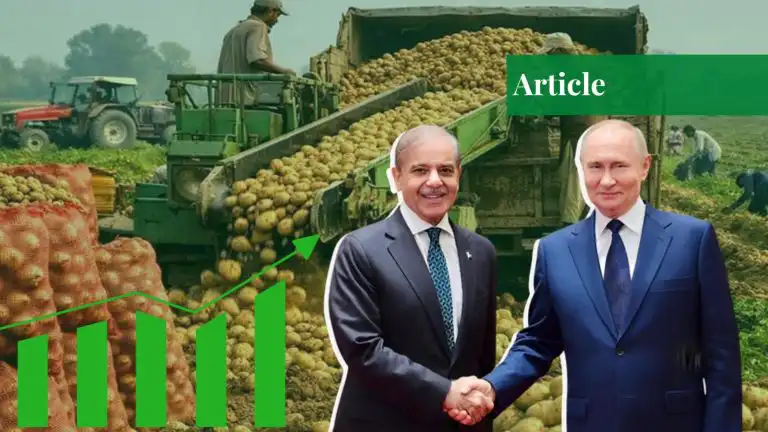
Diplomacy in the realm of geopolitics is commonly linked to the top-tier meetings, military alliances, and strategic talks. However, the most valuable signals are the ones that are transmitted through normal economic transactions. The move by Russia to lift its ban on Pakistani potato imports might seem to be a normal trade adjustment, but in the present world environment, it has other underlying diplomatic implications. The process can be called potato diplomacy, i.e., the agricultural trade as a form of public diplomacy and soft power. This move is far more than an economic one, as it reflects the desire by Russia to form a closer relationship with Pakistan as geopolitical relationships develop and multipolarity increases.
Cold War Distance to Cautious Engagement: Russia-Pakistan Relations
Historically, Russia–Pakistan relations were shaped by Cold War rivalries. The United States and the Soviet Union had a long-term rift with Pakistan and India, respectively. Nevertheless, in the last twenty years, the relationship between the two countries has slowly been reestablished. This change is reflected in increased defense collaborations, such as bilateral military drills like Druzhba, and widening discussions on regional security, especially about Afghanistan. Energy collaboration has also taken off, with the most notable one being the Pakistan Stream Gas Pipeline project. Even with these developments, economic relations have not been well developed, with bilateral trade traditionally being under one billion per year. In this respect, the agricultural trade, i.e., the reintroduction of Pakistan’s potato exports effective April 8 since the ban imposed in May 2024, is an important move to diversify and strengthen the bilateral interaction.
Learning about Potato Diplomacy: Food as a Soft Power
Potato diplomacy can be interpreted in the context of the larger picture of economic diplomacy and soft power. Trade and exchange of resources in states occur more often, not only to enrich the state economically but also to gain influence and create images. This trend is supported by recent experiences in the world. The concept of vaccine diplomacy in the COVID-19 pandemic and grain diplomacy during the consequences of the Ukrainian war shows that essential commodities can be used as a tool of geopolitical action. The interdependence and trust are nurtured by food trade, especially as it has a direct impact on livelihoods and food security. Russia is not only supplying its domestic market with potatoes but also making a symbolic gesture of receptivity and collaboration by opening its market to Pakistani potatoes. Although small in terms of magnitude, such gestures help in building relationships in the long term.
Why Now? Strategic Calculations and Economic Pressures
The move by Russia should be seen against the backdrop of increasing economic pressures due to Western sanctions. Russia has experienced a disruption of its trade patterns, forcing it to diversify its imports and enhance its connections with non-Western economies since 2022 due to sanctions. The stability of food supply and management of inflation have become the critical policy priorities.
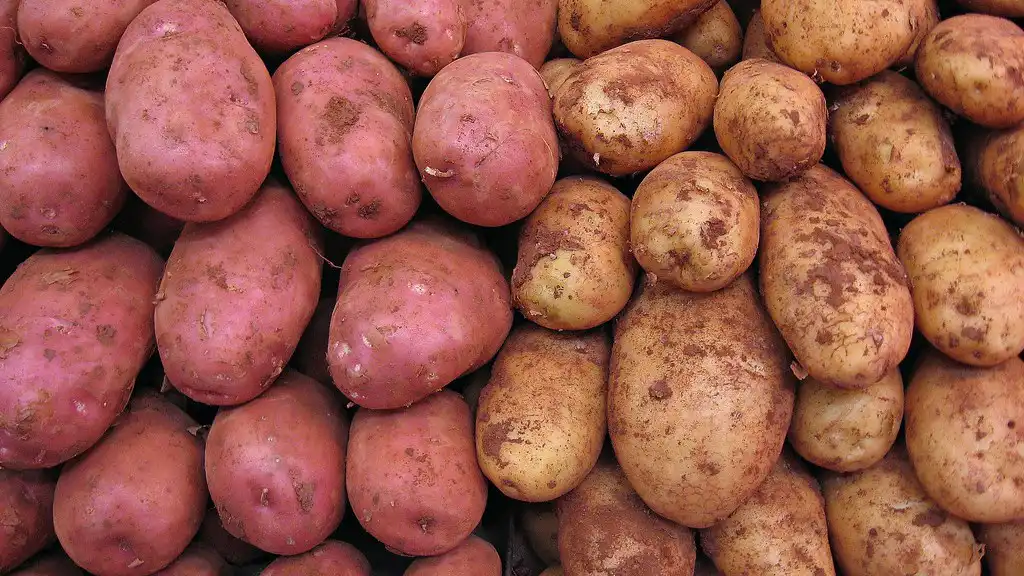
Pakistan has a promising and stable source of agricultural imports with its annual production of over 9 million tons of potatoes. During 2025-26, potato production is expected to reach 12 million tonnes. Its potatoes are affordable and are highly exported to the local markets in the Middle East and Central Asia. An increase in exports to Russia will enable Pakistan to access a huge consumer base and minimize losses related to post-harvest and price fluctuations.

The economic gains are palpable to Pakistan. Agriculture is a source of about 24 percent of GDP, and it also employs 38 percent of the national labor force. Expanding access to external markets can improve the income of farmers, increase the stability of the rural areas, and earn foreign exchange, a key factor considering the frequent balance of payment crises faced in Pakistan. Therefore, the lifting of the ban is a result of economic necessity, as well as the strategic calculation on both sides.
Winning Hearts Through Trade: The Public Diplomacy Aspect
This action has some obvious consequences in terms of public diplomacy, in addition to economic justification. Public diplomacy aims at persuading foreign audiences and creating perceptions, which can be achieved not by force. This can be a potent tool through trade decisions, especially those that are favorable to ordinary citizens. To the Pakistani farmers and exporters, the move by Russia could be seen as an act of goodwill and economic cooperation. This image may help improve the image of Russia as a partner, which is cooperative and pragmatic. In its turn, it enhances the soft power of Moscow as it creates a positive sentiment on the ground instead of depending on the state-to-state relations only. This is further enhanced by media narratives. The presentation of development as potato diplomacy points to the addition of symbolic significance to economic activities. In the era of competition with information, these narratives are crucial to influence the opinion of the population and support diplomatic messages.
Farm Beyond: Strategic and Regional Implications
This development has more implications than bilateral trade. For Pakistan, the growth of economic relations with Russia is part of a wider approach of diversification of alliances and lessening reliance on the traditional Western markets. It is also in line with the attempts of Pakistan to adopt a more balanced and multivector foreign policy. In the case of Russia, enhancing economic activity with Pakistan is one of the aspects of its overall pivot to Asia. With Moscow having been isolated by Western economies, forming partnerships with South Asia is more crucial. The strategy will enable Russia to remain strategically relevant in a region with a high rate of economic development and geopolitical rivalry.
Regional dynamics is another implication of the move. The increasing interaction between Russia and Pakistan indicates a less strict policy towards South Asia, with which Russia has long been keen on its relations. Instead of compromising on the current partnerships, Moscow seems to be increasing its diplomatic space to make the most strategic choices in a world that is becoming multipolar.
A Reality Check: Limits of Potato Diplomacy
The idea of potato diplomacy has obvious drawbacks, even though it is both symbolic and practical. One trade decision will not be able to change bilateral relations. The volumes of trade between Russia and Pakistan are still rather low, and the structural issues are still present. The scale of agricultural exports can be constrained by logistical factors, such as the cost of transport and inefficiencies in the supply chain. Besides, exporters might have a problem with adherence to quality standards and regulatory provisions, as well as payment mechanisms.
Sustainability of such initiatives may also be influenced by political uncertainties and the changing dynamics in the world. Thus, the ban should be considered an element of a larger process and not the turning point, despite the lifting of the ban being a positive move. The long-term commitment, alignment of policies, and investments in trade infrastructure will be required to transform symbolic gestures into long-term economic alliances.
Conclusion
It is important to note that small commodities and big diplomatic signals are intimately connected. The choice that the government of Russia made to lift the ban on Pakistani potatoes illustrates the importance of even the most mundane of commodities in carrying a lot of diplomatic weight. What seems to be a slight trade compromise is, in fact, an echo of the changing geopolitical priorities, economic realism, and strategic exercise of soft power.
The world is becoming increasingly fragmented and multipolar, and diplomacy ceases to be part of formal negotiations and political statements. It is also carried out via markets, supply chains, and daily economic transactions. This changing reality is encapsulated in potato diplomacy, as minor, tactical choices can indicate larger strategic plans. Although potatoes cannot redefine Russia-Pakistan relations, they can act as a gateway to a deeper interaction, as an example to show how the simplest of tools can have an immensely powerful meaning in the context of contemporary geopolitics.
If you want to submit your articles and/or research papers, please visit the Submissions page.
To stay updated with the latest jobs, CSS news, internships, scholarships, and current affairs articles, join our Community Forum!
The views and opinions expressed in this article/paper are the author’s own and do not necessarily reflect the editorial position of Paradigm Shift.

Khadija Sikandar is an undergraduate student of international relations at Fatima Jinnah Women's University. Her areas of interest are diplomacy, global affairs, and security. She focuses on analyzing contemporary issues and international politics through research and aims to contribute to policy discussions.