Putin-Xi Ties Deepen at the Beijing Summit
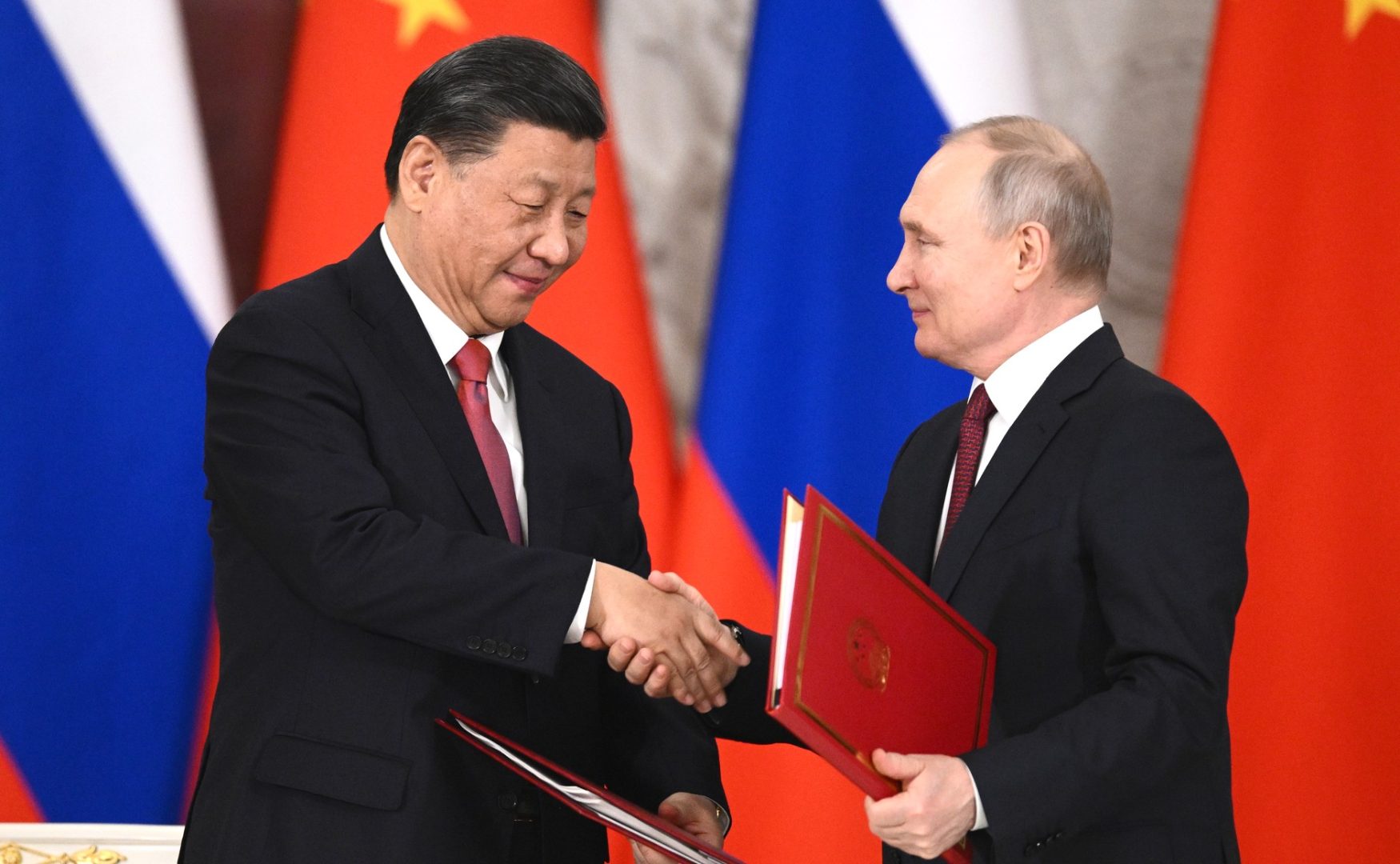
Recently, the world witnessed the apex of Chinese diplomacy when the Chinese leader Xi Jinping hosted the Russian President Vladimir Putin, merely two days after the US President Donald Trump visited Beijing. President Putin was welcomed by the Chinese leader with a guard of honor and gun salute at the Great Hall of the People on Wednesday. President Putin greeted his Chinese counterpart using a Chinese idiom, “One day apart feels like three autumns.” The leaders held a formal meeting on May 20th, 2026.
The significance of this summit was amplified due to its concurrence with the 25th anniversary of the Treaty of Good-Neighborliness and Friendly Cooperation (2001), the agreement that institutionalized formal ties between Moscow and Beijing following decades of ideological conflicts, territorial rivalries, and mutual suspicion. Western aggressive policies, Trump’s trade war and sanctions, and an escalating rivalry between the West and East have pushed Russia and China closer in the past few decades.
Putin-Xi Ties Against the Trump Administration’s Unilateralism
Both China and Russia have long encouraged peaceful global coexistence and articulated their concerns about the United States’ unilateral, aggressive, and interventionist policies in the Indo-Pacific, the Middle East, and South America. During this recent summit between Putin and Xi, the two leaders signed 20 agreements on May 20, 2026. President Xi and Putin signed 40 documents and issued a 47-page joint statement. Through these developments, the two leaders signaled their intention to strengthen further their united front against the United States’ aggressive policies. President Xi, in the joint statement, warned against a global return to the “law of the jungle.” With this warning, the two sides once again condemned and criticized Washington’s unilateral aggression against its rivals and competitors.
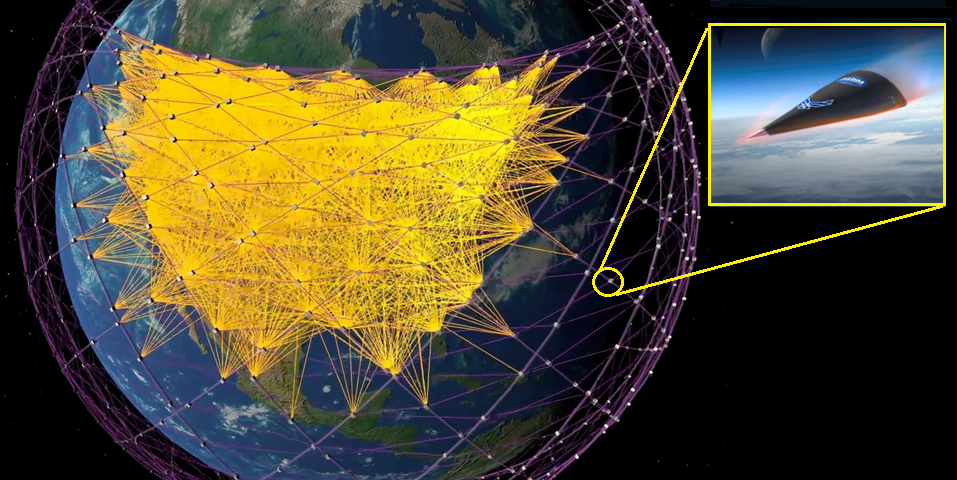
Beijing and Moscow also rebuked Trump’s proposed Golden Dome defense system, a $175 bn missile defense project, intended to build a new missile field in the United States’ Midwest. This defense system will provide Washington with the capability to shoot down missiles in space. Nonetheless, this project risks triggering a new global space arms race between major world powers, imperiling international peace and security.
Xi Jinping and Russian President Vladimir Putin also condemned the expiry of the US-Russia arms control deal, which was disregarded by Washington in February this year after President Trump refused Russia’s proposal to extend the deal by one year. These developments signal that the United States seeks to escalate the global arms race and tensions with its rivals.
Trump, Iran, and the Strategic Importance of Power of Siberia 2
The Western offensive against Russia in Ukraine and burgeoning tensions in the Middle Eastern region, especially over Iran, have cemented Russia-China ties. Moreover, the disruption of global energy trade through the Strait of Hormuz, a crisis impinging on the global economy and energy markets, has further strengthened Beijing’s concerns over the security of its energy imports. The Chinese economy is heavily reliant on Middle Eastern oil and gas imports. However, this disruption has raised concerns in Beijing over the future of maritime trade. This makes Russia the only viable, reliable, and secure overland energy source for China.
In the recent meeting in Beijing, the two sides have reached a fundamental understanding on the Power of Siberia 2 gas pipeline, which is expected to export 50 bcm of gas to China per annum, and its route, according to Dmitry Peskov, the Kremlin spokesperson. However, nothing concrete has yet been achieved or decided over the construction of this pipeline, as per the international media reports. Nonetheless, China’s seriousness in considering Russia as an alternative energy source could be gauged by President Xi Jinping’s remark, in which he underscored the importance of bilateral energy cooperation and resource connectivity by calling it the “ballast stone” of the relationship between the two nations.
Putin-Xi Ties and the Pursuit of a Multipolar World Order
Another major basis of strengthening ties and ideological alignment between Chinese leader Xi Jinping and Russian President Putin is their pursuit of a new inclusive world order. In the past few years, the US has forced its numerous allies to align their foreign policies with its regional and international interests. However, Russia and China pursue a non-interventionist policy. Over the years, they have demonstrated their belief in an independent foreign policy and non-intervention in the domestic and regional affairs of their allies.
They seek to establish a new global order in which all states, regardless of their size and region, possess equal rights and sovereignty. The two states have pledged to play a “stabilizing role on the global stage.” Before the visit, President Putin stated that both countries were poised for bilateral cooperation on the “core interests of the two countries, including the protection of sovereignty and national unity.” The West has always attempted to portray the China-Russia alliance as an anti-West coalition; however, the two Eastern powers have repeatedly denied this accusation, stating that their alliance and cooperation are merely to create an inclusive and truly liberal world order.
President Putin once again clarified his perspective by stating, “We are not aligning against anyone, but working for the cause of peace and universal prosperity”. This stance is further reinforced by the non-interventionist and inclusive policies pursued by the two powers, particularly within the BRICS. The ever-rising popularity of this organization among third-world countries also underscores the success and strength of China-Russia cooperation.
The Xi-Putin summit was also critical for the Global South, particularly the war-torn Middle East. With President Vladimir Putin in Beijing, soon after Trump visited China, the latter signaled its diplomatic strength. This visit reflects a profound understanding among the two sides on regional and international pressing issues, including the US trade tariffs on different nations, the Iran war, the Iranian nuclear issue, the Syrian Crisis, and rising US and Israeli aggression and interventions around the world, especially in the Middle East.
Putin’s visit to China provided new hope to Middle Eastern states as it increased the possibility of a joint and coordinated diplomatic regional intervention by the two powers to de-escalate conflicts and tensions. The inclusive economic model followed by China and Russia also offers greater leverage to third-world states, especially the Middle Eastern nations. Their promotion of mutual trade in local currencies decreases the dependence of the BRICS members on the US dollar, enabling them to diversify their military and trade alliances without succumbing to Washington’s pressure.
Conclusion
In a nutshell, Russian President Vladimir Putin meets Chinese leader Xi Jinping in a highly volatile global environment in Beijing on Wednesday. President Putin’s visit to China, two days after the Trump-Xi meeting, sent a strong message to Washington that the two nations are prepared to bolster their bilateral relations. Moreover, the Xi-Putin summit also highlighted the rising technological, energy, and economic collaboration between Moscow and Beijing.
In addition, China and Russia have categorically rejected the interventionist, unilateralist, and dictatorial attitude of the United States. Through this summit, the two new global superpowers have shown their firm resolve to build an egalitarian and truly liberal world order in which all countries will have equal rights and opportunities. They also seek to provide the world with an opportunity to pursue an independent foreign and domestic policy. This visit was highly significant for the Middle Eastern nations as it enhanced their hope for peace through the China-Russia joint diplomatic intervention in the region. This summit also underscored a joint Eastern front against the US military and economic aggression.
If you want to submit your articles and/or research papers, please visit the Submissions page.
To stay updated with the latest jobs, CSS news, internships, scholarships, and current affairs articles, join our Community Forum!
The views and opinions expressed in this article/paper are the author’s own and do not necessarily reflect the editorial position of Paradigm Shift.

Muhammad Hamza Tanveer is a political analyst specialising in South Asian and Middle Eastern affairs. His work focuses on religious nationalism, regional security, and minority rights. He has been featured in Stratheia, Pakistan Today, Pakistan Observer, and the Asian Mirror. He is also working as a research analyst and political commentator for Paradigm Shift and contributes to the monthly magazine of Nearpeer.