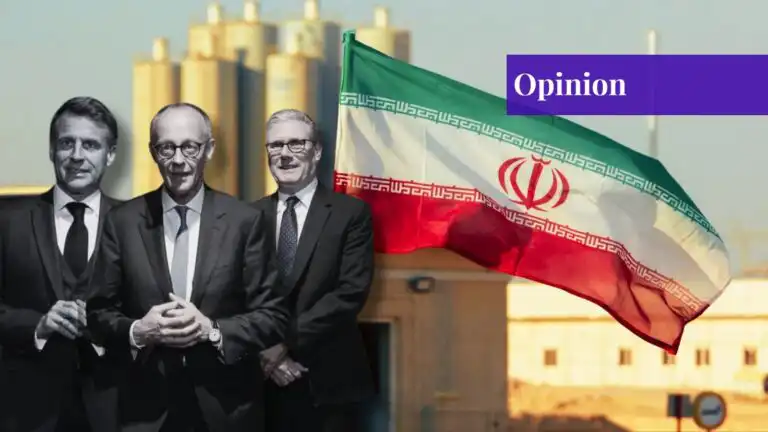
The letter was sent. With that single, formal act, the three European powers—the E3—officially initiated the process to snap back international sanctions on Iran. We now enter a perilous 30-day countdown, a final window for diplomacy that feels less like an opportunity and more like a ticking time bomb. The mechanism, designed as a last resort, has become the main event, pushing a fragile situation to the brink.
On the surface, the European move was expected. For weeks, the whispers from diplomatic corridors pointed toward this inevitability. Yet, its formal activation sends a shockwave through an already tense region. Tehran’s response was immediate and defiant: it rejects Europe’s very right to pull this trigger. This fundamental disagreement over the rules of the game is why we are here. Europe, insisting on a return to negotiations with the United States and a halt to all uranium enrichment, is applying maximum pressure. In Iran, hardline voices, empowered by the standoff, are now openly discussing a radical response: withdrawing from the Nuclear Non-Proliferation Treaty itself. The specter of a closed Strait of Hormuz, a threat to global oil supplies, is being casually evoked. The air is thick with escalation.
Why now? The Europeans had their logistical reasons. A desire to manage the process under a friendly Security Council presidency, a need to avoid Russian obstruction later. But these are calendar concerns. The real reason is simpler: talks failed. A recent meeting in Geneva, which some hoped would yield a last-minute extension, ended in stalemate. The gaps were too wide. The Europeans, losing patience, decided to force the issue. Yet, within this crisis lies a narrow path. The 30-day period is not just a countdown to confrontation; it is, technically, a final negotiating window. The door is not yet slammed shut. But walking through it requires concessions neither side has yet been willing to make. For Europe, the conditions are non-negotiable: full transparency with international inspectors and a return to the bargaining table with the Americans. For Iran, these are poison pills, a surrender of sovereignty and a validation of what it sees as American bullying. The idea of “zero enrichment” is a particular fantasy, a demand so detached from current realities that it functions as an admission that Europe isn’t truly serious about a deal.
This is where the real tragedy of the situation unfolds. We are beyond the point of clever legal arguments or diplomatic finesse. Suggestions that Russia or China could somehow veto this process or that Iran can file a counter-complaint are the stuff of academic seminars, not the hard-nosed reality of power politics. Iran is not negotiating with a single entity; it is facing a united Western front. Furthermore, the shadow of conflict looms. The Israeli attack last June was a stark reminder that external actors can, and will, act unilaterally to disrupt the board entirely.
The core challenge is not external; it is internal. The Islamic Republic is trapped in a crisis of decision-making. Making a choice this brutal—whether to hold firm and face crippling isolation or to compromise and risk domestic fury—requires a political system capable of consensus. Right now, that system is paralyzed. The Supreme National Security Council and the Foreign Ministry may hold the official portfolios, but they are hamstrung by a political class terrified of the cost of leadership. Herein lies the fatal paradox. Privately, key figures within the establishment acknowledge the dire straits. They agree that something must be done. But in the bright light of public collective action, no one is willing to step forward and risk their political life. They are like players in a game of chicken, each waiting for the other to swerve first, all while accelerating toward the cliff. The advisors are the same; the thinking is stale. Survival within the system has become a higher priority than the survival of the nation’s economy and its place in the world.
What of Russia and China, often touted as Iran’s lifelines? Their support is a mirage. Russia’s hands are legally tied by the very agreement it helped design. Its capacity to help is limited to minor procedural delays. And frankly, its attention is elsewhere—on Ukraine and its own fraught dialogue with the United States. If forced to choose, Moscow will always prioritize its own border conflicts over Tehran’s nuclear file. China, meanwhile, has the economic heft to make a difference but possesses none of the appetite for a confrontation with the West that would be required. It will offer sympathetic words and continue to buy Iranian oil, but it will not ride to the rescue.
So, we are left with two grim options: a six-month extension bought with last-minute concessions, or the full, painful snapback of sanctions. The extension is still possible, but it requires both sides to swallow their pride. Europe must want to save a deal it has spent years championing, and Iran must muster the courage to make a difficult choice. The appointment of new officials, like Ali Bagheri to a key security post, changes little unless it signals a shift in mindset. The machinery of the state is capable of decisive action, but only if its operators are willing to turn the key. They must move beyond endless, circular meetings and confront the severity of the moment. This is not a time for tea and procedure; it is a time for leadership.
The coming days will be a test of wills, but more importantly, a test of internal cohesion. Can Iran’s fractured leadership build a consensus to avert disaster? The world holds its breath, but the silence from Tehran is deafening. The clock continues to tick, and the trigger is already pulled. The only question left is whether anyone dares to defuse the bomb.
If you want to submit your articles and/or research papers, please visit the Submissions page.
To stay updated with the latest jobs, CSS news, internships, scholarships, and current affairs articles, join our Community Forum!
The views and opinions expressed in this article/paper are the author’s own and do not necessarily reflect the editorial position of Paradigm Shift.

Bahram P. Kalviri is a PhD candidate in political science at the University of Hyderabad, Hyderabad, India. His research interests focus on the Middle East, particularly the interplay of international relations and public diplomacy within the region.