Introduction
Terrorism is the use of force to achieve political, religious, and ideological objectives. The result of these goals is the formation of a state that aligns with the beliefs, faith, and values of these entities. The Baloch insurgency in Pakistan, the Tamil Tigers in Sri Lanka, Al-Qaeda in the Middle East and Afghanistan, and the Egyptian Islamic Jihad in Egypt before 9/11 are a few examples of terrorist groups. After 9/11, the USA led the War on Terror and dismantled the major terror groups utilizing military, economic, and political means. The limited presence of these groups remained in some parts of the world, but they were never able to enjoy full control as a state.
The post-2021 withdrawal of US forces after the Doha Agreement gave new inspiration and motivation to the terrorist groups around the globe to form their own independent state. Terrorist organizations have changed their strategies, using terrorism as a tactic. Although they mainly act as insurgent groups, this strategic shift helps them to navigate the international arena.
The Taliban’s Success in the International Arena
The Doha agreement between the US and Taliban gave de facto recognition to the Taliban. From 2021 to 2024, the US has allocated $3 billion for humanitarian and development assistance; however, concerns persist regarding the effective utilization of these funds. China and the United Arab Emirates have a formal relationship with the Taliban government. In July 2025, Russia recognized the Afghan regime and removed the Taliban from the terrorist group list.
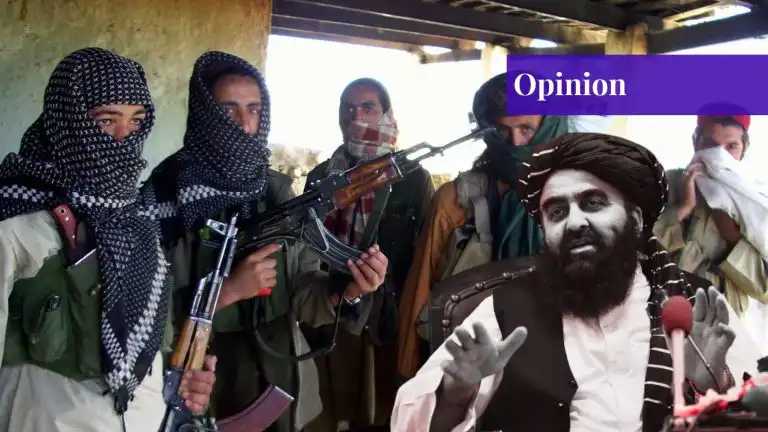
In October, during Afghan FM Mawlawi Amir Khan Muttaqi’s visit to India, India upgraded its mission to embassy level. Despite the atrocities carried out by the Afghan regime, such as suppressing women’s right to have education and jobs, and becoming the hub for terrorist organizations, the Taliban regime is enjoying healthy relations with regional powers. This has been observed and analyzed by other terrorist organizations around the globe to adjust themselves in the international arena.
Strategic Shift in TTP Policy
Tehrik-e-Taliban Pakistan (TTP) originates from the Taliban, both having the same ideology. The number of TTP terrorist attacks has increased in Pakistan since the Taliban took control of Afghanistan. TTP has shifted its strategy from indiscriminate attacking and killing of both civilian and military targets to attacking only military personnel and properties. This brings neutrality among the masses about their presence and provides support to law enforcement agencies during operations. TTP has created alliances with groups from KPK, Balochistan, Punjab, and Sindh. TTP is following the Taliban’s strategy of establishing a shadow governance system, consisting of nine provinces and numerous central units.
Hay’at Tahrir al-Sham in Syria
Hay’at Tahrir al-Sham (HTS), led by Ahmed al-Shaara, had emerged as one of the influential groups after its public split from Jabhat al-Nusra (an Al-Qaeda affiliate) in 2017, and the UNSC had designated it a terrorist organization. HTS and its allies toppled the Assad regime with lightning speed on 8 December 2024, shocking Syrians and the world. Shaara found it easier to work with the outside world than inside his country, as he did not have a writ over the country’s Kurdistan region or parts of the south where Syrian Druze and Alawite areas were supporting Assad’s regime.
The issue of war crimes conducted by former and current regime officials in the Alawite’s area in March, killing more than 1400 people, and the presence of terrorist groups like ISIS and foreign jihadists within the regime apparatus raise concerns for peace and human rights. President Ahmed al-Shaara has secured economic, financial, diplomatic, and political support from Arab countries, Turkey, and Western countries that enhance regime survival in the international arena.
Al-Qaeda and ISIS in Africa
In the African continent, the situation is getting worse, with Burkina Faso ranking top, Mali at 3, and Somalia and Nigeria at 7 and 8 consecutively, according to the Global Terrorism Index Report 2024. The Al-Qaeda and ISIS affiliates named Jama’at Nusrat al-Islam wal Muslimeen (JNIM) and Islamic State Sahel Province (ISGS) emerged between 2017 and 2021, but the intensity of their attacks increased in 2021, and the situation became worse after the withdrawal of French and United Nations peacekeeping forces in 2022.
JNIM has captured the capitals of two provinces, Djibo in the Soum province and Diapaga in the Tapoa province of Burkina Faso. In Mali, Tuareg rebels, JNIM, and ISGS have carried out attacks in the northern and central regions of the country. JNIM has announced a fuel blockade and destroyed 40 fuel tankers transported under military supervision of over 100 vehicles. The strategic town of Farabougou in central Mali fell to JNIM in the month of August. JNIM and ISGS have expanded their activities to coastal West Africa with a surge in cross-border attacks in countries like Togo, Benin, Côte d’Ivoire, and Ghana.
Conclusion
From the Afghan Taliban in South Asia to JNIM in Sahel Africa, the strategic shift from a global caliphate to a focus on their own lands can be observed. If these were just terrorist strategies, they would have attacked the civilians with the goals of pressuring the government into policy change and creating political and social turmoil. The adjustment in the policy helps to reduce global pressure, as it did not seem to threaten the regional or international powers.
The Afghan Taliban came to power by providing assurances that their government would not be a threat to the regional peace and stability. Insurgent behavior of these groups can be noticed in their policy of targeting security forces through different tactics such as ambush, improvised explosive devices, and base raids. They make territorial control difficult by enhancing human and resource costs. For example, there is hardly any security in the problematic tri-border of Mali, Burkina Faso, and Niger.
To overcome the challenges posed by terrorism, there is a need to exacerbate global efforts to address the causes of terrorism. Governments now need to work on clearing and holding affected areas, enhancing cooperation with international partners, improving the governance system of the rural areas, addressing the concerns of the masses, and engaging in dialogue to disarm the insurgents.
If you want to submit your articles and/or research papers, please visit the Submissions page.
To stay updated with the latest jobs, CSS news, internships, scholarships, and current affairs articles, join our Community Forum!
The views and opinions expressed in this article/paper are the author’s own and do not necessarily reflect the editorial position of Paradigm Shift.

Fahad Hanif is currently pursuing his bachelor's in international relations at the International Islamic University, Islamabad.