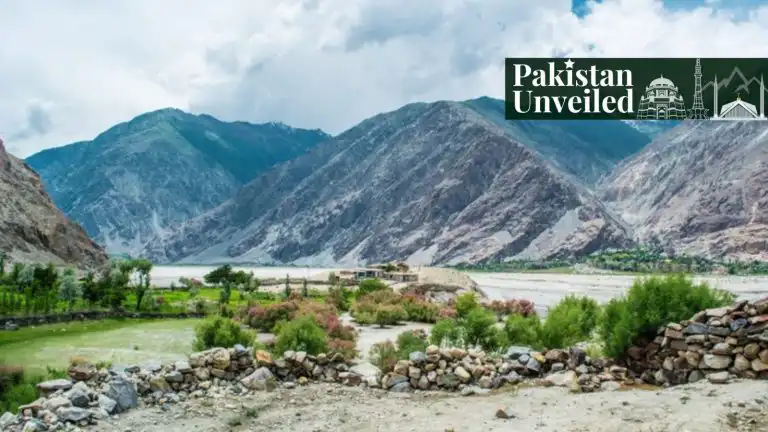
Pakistan has been blessed with one of the most magnificent, dynamic, and mesmerizing landscapes in the world. From the towering snow-capped peaks of the north and lush green valleys to vast deserts, fertile plains, and a stunning coastline along the Arabian Sea, nature has blessed the country with an incredible variety of beautiful terrain. This diverse geography not only augments Pakistan’s scenic charm but also makes it a unique tourist destination rich in breathtaking views and ecological wonders. Among Pakistan’s mesmerizing tourist destinations, the Broghil Valley National Park is one of the most scenic and least explored.
This lush green valley lies on the border of Afghanistan and Pakistan in the Wakhan Corridor, which stretches between Pakistan and Tajikistan and shares similarities in Wakhi culture and language. People on both sides of the border also share family bonds. The Broghil Valley National Park is situated around 250 kilometers north of the Chitral district of Khyber Pakhtunkhwa, Pakistan. What makes the valley truly extraordinary is its encirclement by towering mountains and countless glaciers, which together form a spectacular and awe-inspiring panorama. The Broghil Valley also features 30 freshwater lakes in spectacular scenery, making the region highly attractive to national and international tourists.
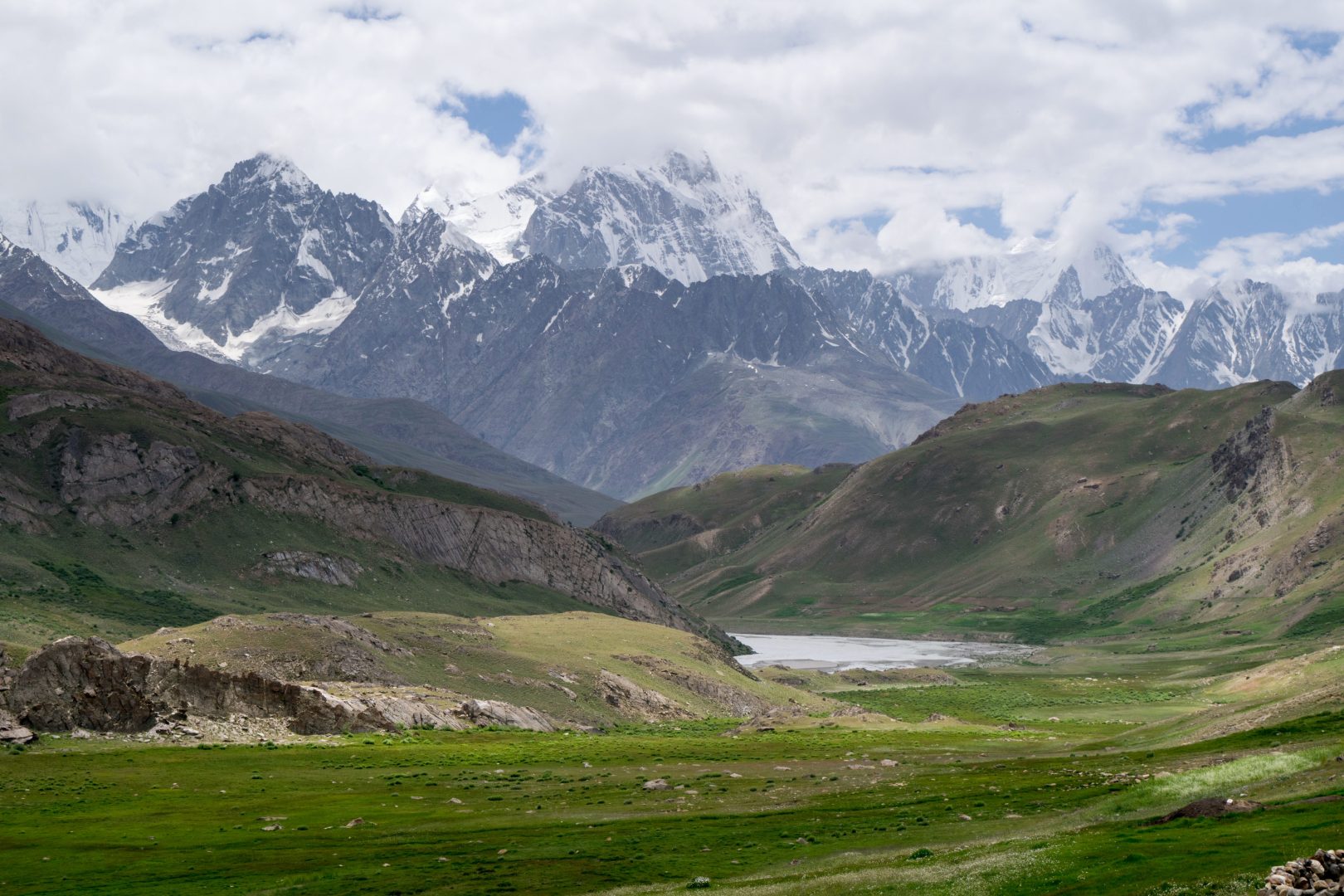
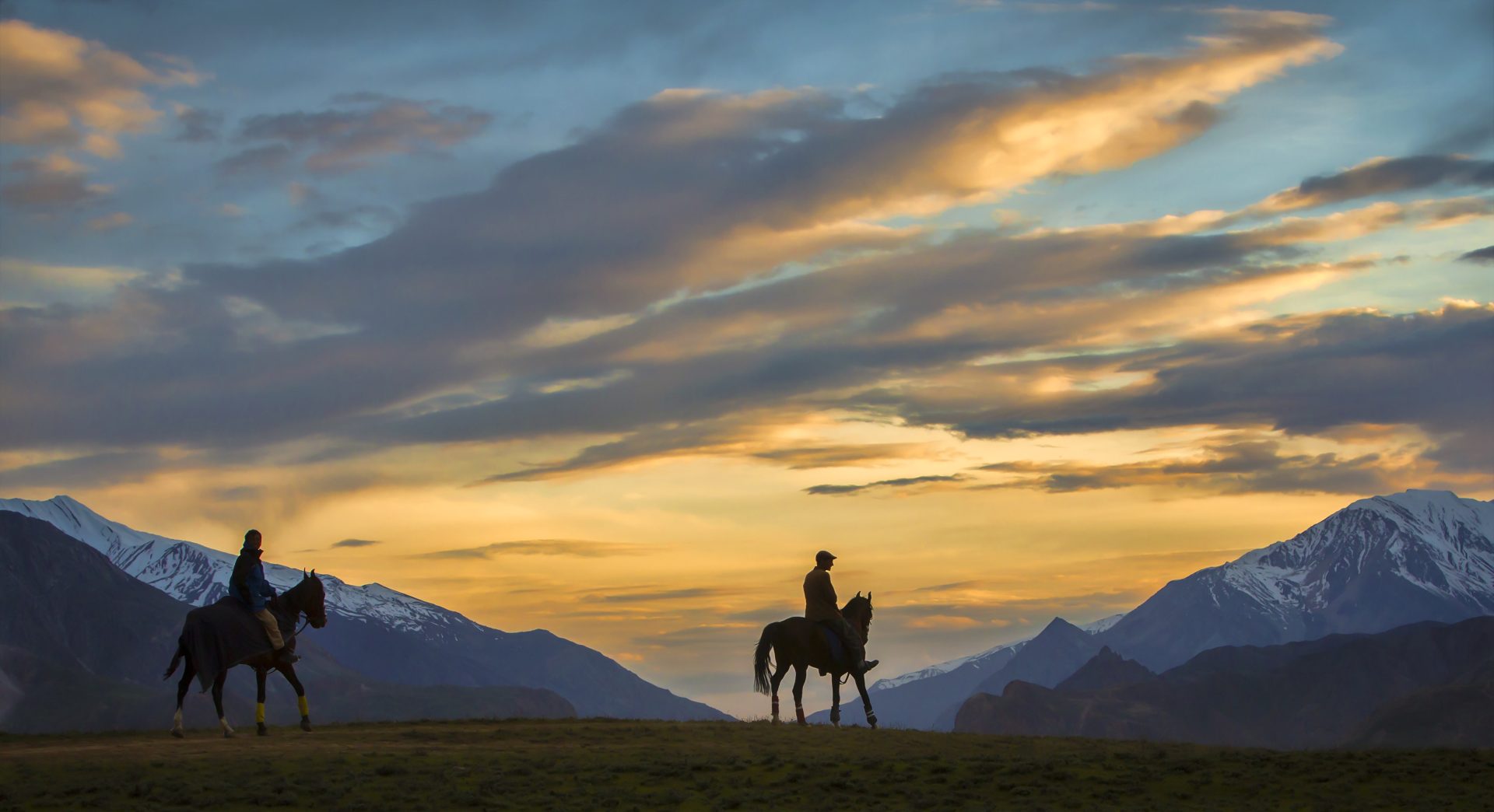
However, the remote location of the valley makes it one of the hardest-to-reach tourist attractions around the globe. This also increases the difficulties of local communities as they lack access to fundamental services and facilities. The difficult terrain, remoteness of the area, and lack of restaurants and accommodation facilities in the Broghil Valley have resulted in a limited number of visitors to the area. The valley is famous for its mesmerizing meadows, grassy plains, Shandur Festival, annual Broghil Festival, yak polo, yak race, horse race, donkey race, snow leopards, Buzkashi, majestic lakes, and glaciers. Due to its spectacular views, many of the local and foreign tourists have called it heaven on earth.
Height of the Broghil Valley National Park, Pakistan
Another major aspect of the Broghil Valley National Park that makes it distinct and unique is its remarkable height. The Broghil Valley lies at an elevation ranging from about 3280 meters (10,750 ft) to 4303 meters (14,121 ft) above sea level, depending on the specific location within the valley.
Distance and Travel Time from Islamabad and Chitral City
The Broghil Valley is 250-252 kilometers north of Chitral city by road. The travel time to Broghil Valley from Chitral City is estimated to be around 10-14 hours, depending on weather and road conditions and vehicle type. In the upper sections of the region, traveling by a 4×4 jeep is often recommended, as the region is mostly mountainous.
The distance of the Broghil Valley from Islamabad is estimated to be 670-700 kilometers, and the total travel time is around 20-30 hours. Therefore, those who want to visit the Broghil Valley from Islamabad and other cities must be prepared for a long journey.
Best Time to Visit the Broghil Valley
Most of the year, the Broghil Valley remains covered in snow. Therefore, the best time to visit the Broghil National Park is from June to September, with July and August considered the peak season. During these months, the roads are open, alpine meadows are green, lakes are accessible, and trekking conditions are at their best. However, it is advised to book a local travel guide during your visit to the upper sections of the valley.
The Broghil Festival
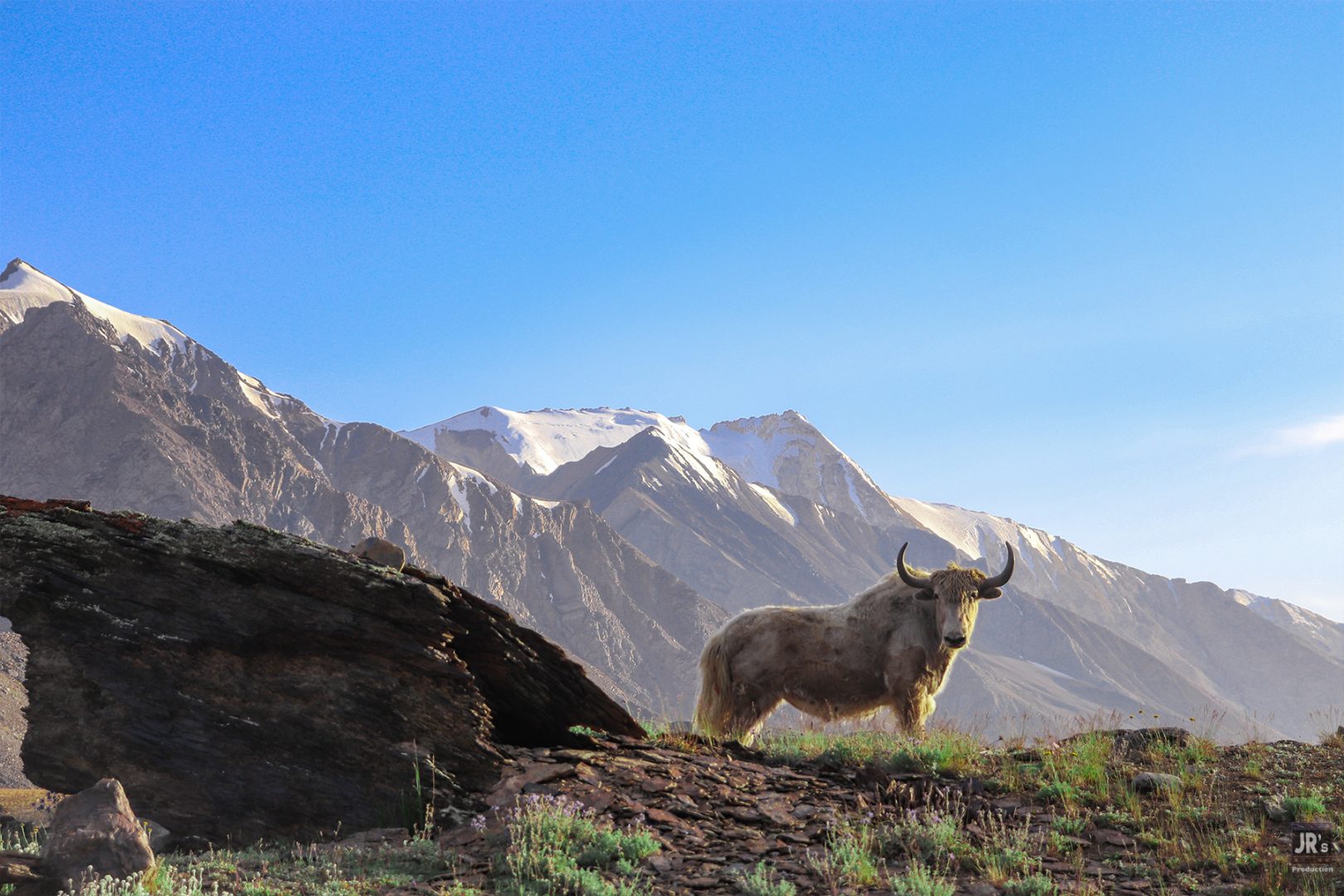
The Broghil Valley is also famous for its high-altitude Broghil festival. In this festival, locals celebrate their traditional Wakhi culture. During this festival, they showcase their local mountain lifestyle, livestock culture, handicraft products made by local communities, and traditional Wakhani music. Freestyle polo, yak polo, yak, horse, and donkey races are also conducted during this festival to amuse local and foreign tourists. People from around the world attend this festival every year to enjoy the culture of the Broghil Valley and to explore the northern areas of Pakistan. The Broghil Festival also serves as a major source of income for the local people, as they use this opportunity to sell their handicraft products and animals to tourists and neighboring communities.
Famous Passes of the Broghil Valley
Broghil Pass
Among some of the most famous tourist attractions in the Broghil Valley National Park, the Broghil Pass, also spelled as “Broghalm,” is a worthwhile site. This mountainous pass resides at a height of 3,798 meters (12,460 ft) above sea level. This pass connects Afghanistan’s Wakhan Corridor to the Chitral district of Khyber Pakhtunkhwa.
Darkot Pass
The route to the Broghil Valley also hosts a famous and spectacular pass, called the Darkot Pass, which connects the Broghil National Park to the Rawat Valley of the Ghizer district of Gilgit-Baltistan.
Karambar Pass
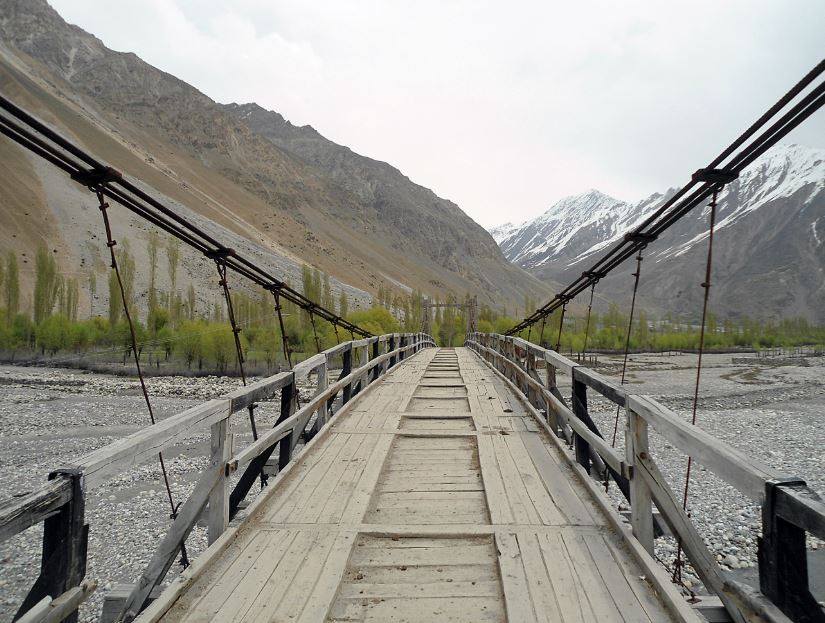
Another famous pass in the region is the Karambar Pass, also spelled Karomber Pass, situated at a height of 4,343 meters (14,249 ft) above sea level. This pass connects the remote Broghil Valley of the Chitral District to the Ishkoman Valley of the Ghizer District of Gilgit-Baltistan.
Famous Lakes of the Broghil Valley
The Broghil Valley is home to more than 25 small alpine and glacial lakes scattered across its high-altitude passes and meadows. Due to the remoteness of these lakes, most of them are unexplored and unnamed. However, some of them are still popular among local and foreign tourists.
Karambar Lake
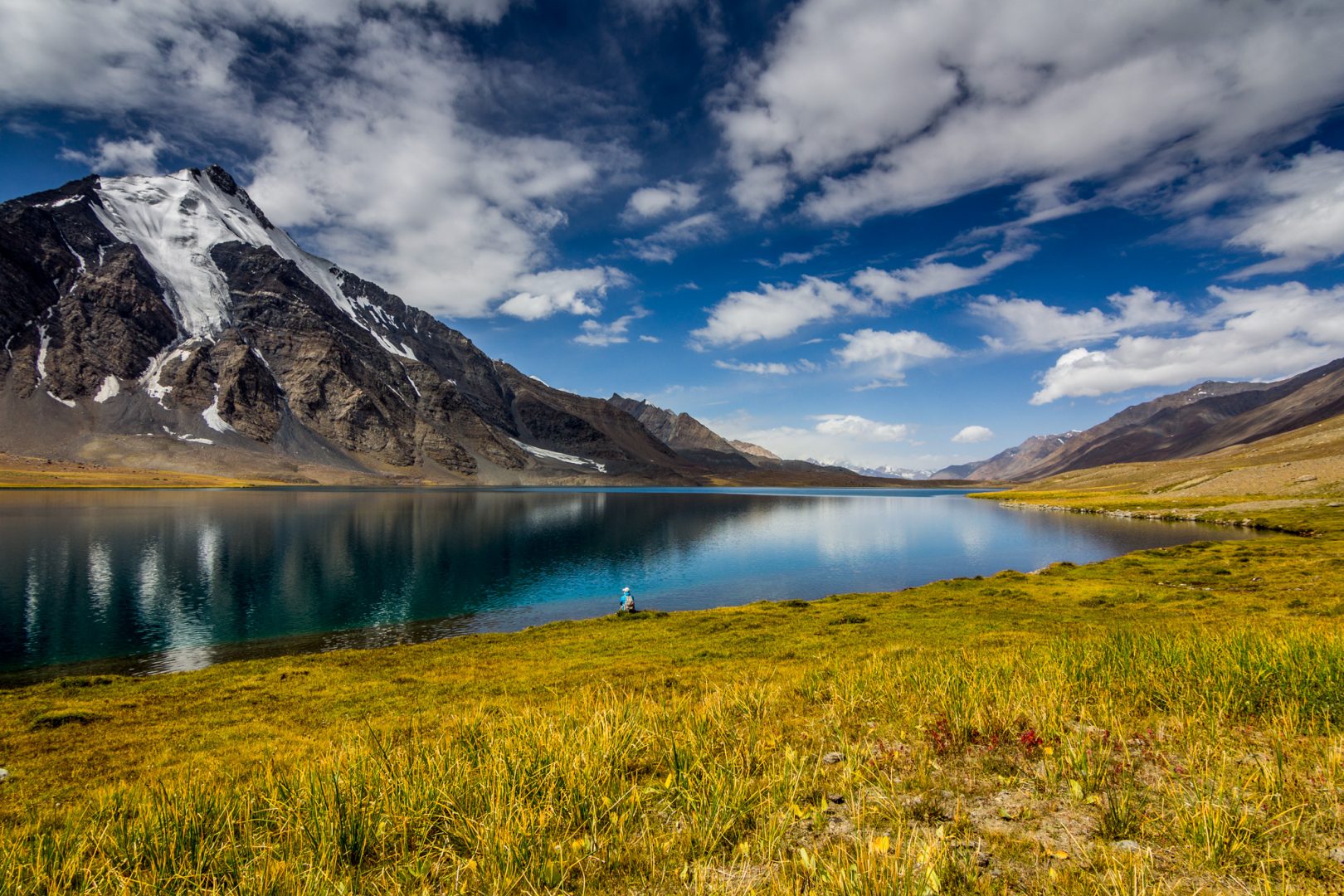
Karamber Lake, or Qurumber Lake, is one of the most famous and spectacular lakes in the valley. Located at around 4,272-4,303 meters above sea level, this lake is often ranked among the world’s highest alpine lakes and considered one of the highest biologically active lakes globally. It is the second-highest lake in Pakistan. The surrounding snow-covered mountain peaks, remote wilderness, and crystal-clear turquoise water complement the beauty of the valley and lake.
Ribat Lake
Ribat Lake is also one of the most scenic lakes in the region, located just around a mile away from Karambar Lake. Most of the local and foreign trekkers who visit Karambar Lake also visit Ribat Lake.
Well-Known Glaciers in the Broghil National Park
The valley is also famous for its massive glaciers. Tourists who seek to explore Broghil Valley must visit its famous glaciers. Some of the most famous glaciers of the Broghil Valley include the Karambar Glacier, the glacier that feeds the Karambar Lake. In fact, the entire Karambar Pass region contains snowfields and glaciated terrain surrounded by Hindukush and Pamir peaks. Chiantar Glacier is also among the famous glaciers of the valley.
If you want to submit your articles and/or research papers, please visit the Submissions page.
To stay updated with the latest jobs, CSS news, internships, scholarships, and current affairs articles, join our Community Forum!
The views and opinions expressed in this article/paper are the author’s own and do not necessarily reflect the editorial position of Paradigm Shift.
Abdullah Nisar holds a degree in journalism and mass communication from the International Islamic University, Islamabad. He is currently working as a freelance journalist.