“Call a generation unemployed long enough, ignored long enough, humiliated long enough, and eventually it will turn your insult into its identity.”
The Nation, “The Cockroach Janta Party” (May 30, 2026)
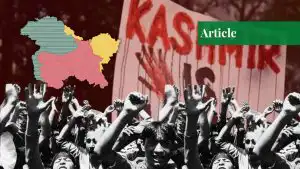
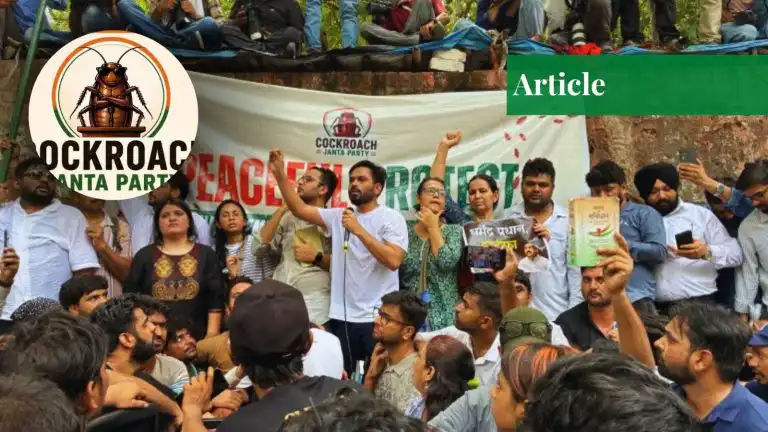
On May 15, 2026, India’s Chief Justice Surya Kant made a statement that triggered nationwide youth-led protests across social media, which attracted widespread public attention. He said, “There are youngsters like cockroaches; they don’t get any employment, and they have no place in professions.” In the controversial statement, the chief justice compared the young citizens to cockroaches. This remark sparked considerable debate globally. Although the statement was directed at holders of forged credentials, it was widely perceived as a criticism of the unemployed generation. Within an hour, the tag, unexpectedly, transformed into a symbol of pride. Youth embrace it and turn it into a powerful identity marker. Shortly after the controversy, Abhijeet Dipke, a 30-year-old Boston University graduate and political strategist who previously worked with the Aam Aadmi Party, established the Cockroach Janta Party as a humorous response on May 16, 2026.
Within days, the movement gained popularity rapidly, attracting huge public support. In just five days, it gained 10 million Instagram followers. One week later, it exceeded 23 million followers, more than India’s ruling BJP (9 million) and Congress (13.4 million). This transformation demonstrated how young people can turn an insult into a symbol of resistance and collective identity.
What is the Cockroach Janta Party?
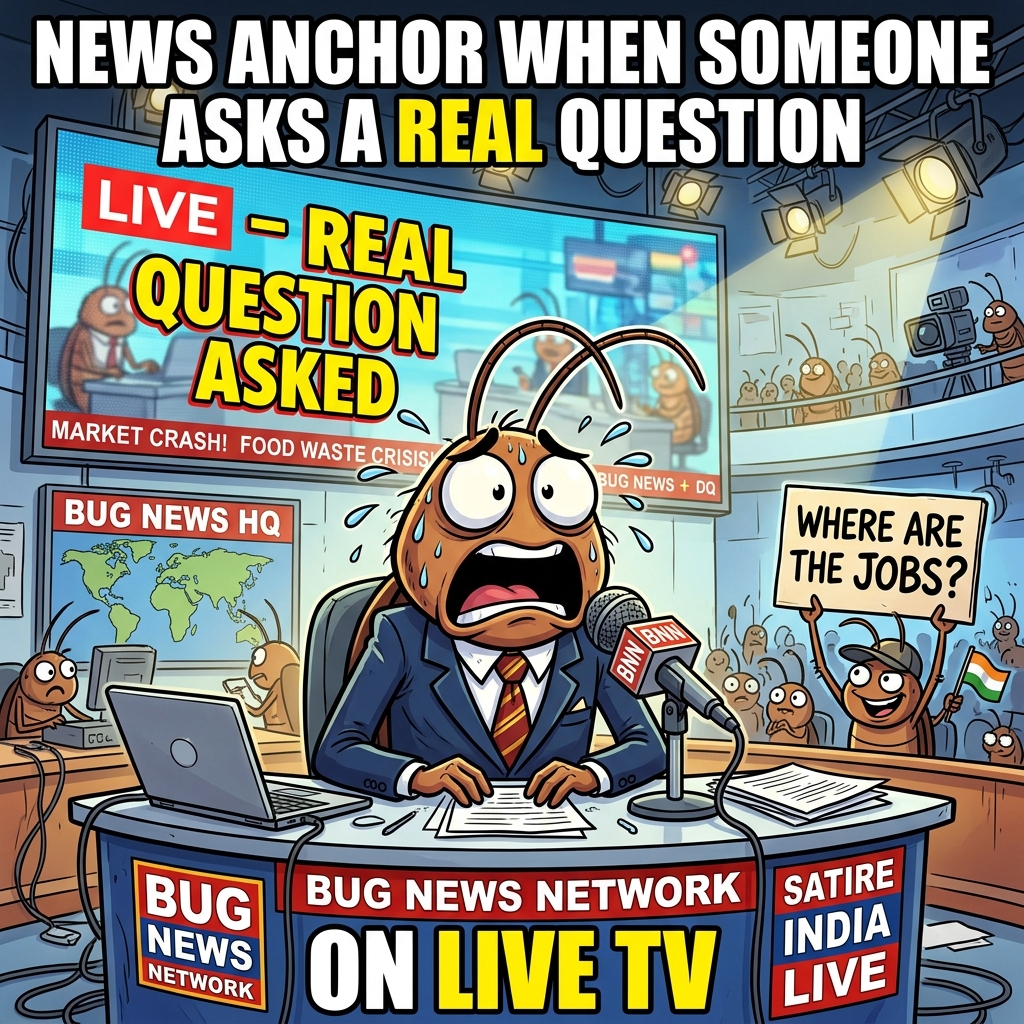
At its core, the Cockroach Janta Party (CJP) is not a real political party but a parody-based digital movement that mocks traditional politics while gaining genuine trust from people. Through this strategy, it criticizes India’s political system. As the word “Janta” is translated as “people,” its structure imitates the format of BJP (Bharatiya Janata Party), the ruling party in India. Moreover, it presents itself as a representative of lazy, unemployed, and frustrated youth.
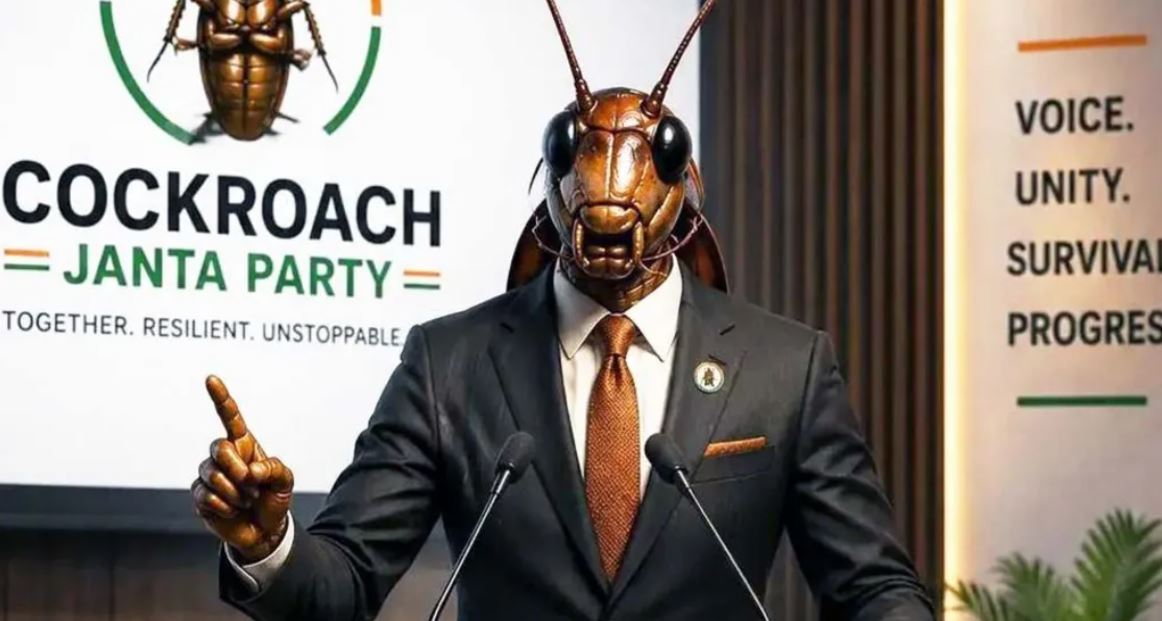
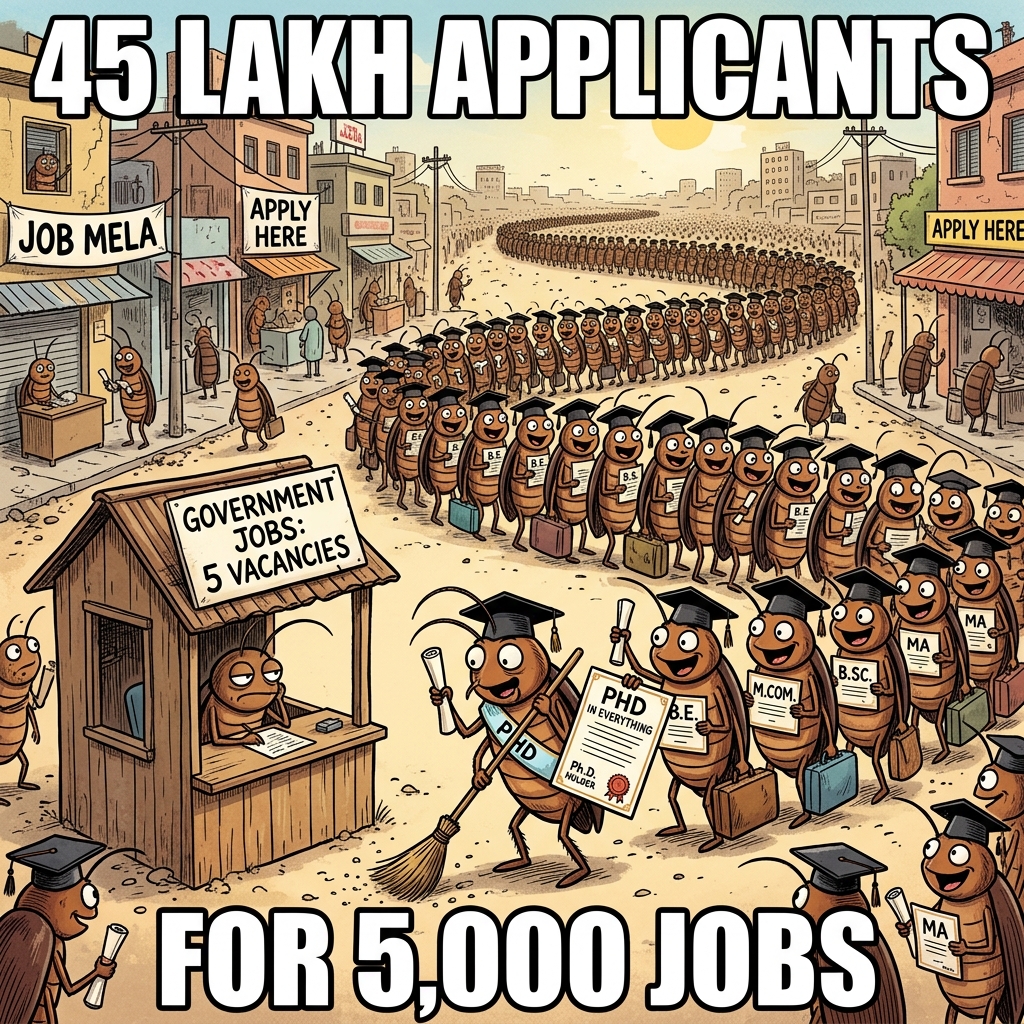
On the surface, it seems like a satirical movement, but on a deeper level, it drew attention to pressing concerns in its manifesto. For instance, the unemployment crisis, rising fuel prices, delayed competitive exam results, allegations of voter manipulation against Modi’s government, compliant corporate media, and many more. But why is the cockroach used as a symbol? For many Gen Z supporters, it symbolizes resilience because it survives nuclear war; it seems unwanted but unstoppable; and it is a way to reclaim the insult by turning pest into power. As CNN reported, India’s Gen Z has flipped the lowly cockroach into a symbol of defiance.
Why CJP Matters
From the broader perspective, CJP carries true significance because it demonstrates changing political participation in the digital era. The campaign underscores that the traditional way of political participation is no longer the source of youth engagement. Instead, it changes its tools, such as digital platforms, humor, and shared frustration, to show collective dissatisfaction. Although being an unofficial movement, many supporters consider it a better alternative than the existing political system. This new political model illustrates how digital activism shapes the political arena of the 21st century. Online platforms connect people regardless of physical boundaries, and humor/satire becomes an effective tool for expressing collective identity that criticizes and questions the existing system.
How Social Media and Memes Are Reshaping Youth Activism
CJP is not unique; it is a part of a broader global pattern. India provides only one example of the reshaping of political expression through memes among youth all over the world. Similar developments have been seen in many regions. From west to east, this becomes a common phenomenon. Here is how and why.
Simplifying Political Communication Through Memes
In simple terms, political memes break complex political ideas and information into concise and simplified form, making the message understandable to the public. For instance, an economic policy outlook can be simplified using a single image that highlights hypocrisy and corruption through visual elements, resulting in greater public attention. According to the Reuters Institute Digital News Report (2022), over 40% of Indian youth consume political news primarily through social media, often in the form of memes or short-form videos.
Satire as a Tool of Political Resistance
Beyond India, this shift is happening globally. By using memes, youth underline flaws in politics through humor. In 2024, Pakistan’s general elections became a major source of political satire. Social media users released memes to mock the 24-hour delay in election results. Similarly, the memes can be seen in the US election in which voters comparing Trump and Harris gained widespread attention, while the “Kamala is a brat” trend influenced the voter perception.
From Consumers to Content Creators
Before the rise of social media, the flow of information was confined to the hands of traditional media organizations. But in this digital world, the audience is no longer a passive consumer of information but an active participant who creates content, shares their opinions, and rejects biased information. As seen in Europe, climate activists used memes to convey their message of saving the environment directly to the audience, bypassing traditional media.
Satire as a Safe Form of Resistance
In some societies, expressing political views and criticism may lead to challenges for people. With humor and satire, they often provide a safer form of expression to individuals. In Iran, to avoid trouble, activists used memes for political dissatisfaction and criticism.
Digital Mobilization Without Traditional Structures
Conventional politics required formal organization, political parties, funding, and physical spaces; in a digital context, online movements do not depend on this structure. It often relies on social media platforms and shared frustrations. The successful example of CJP demonstrated that with no funding and physical offices, it expanded the movement globally.
Democratic Implications of Meme Politics
The impact of digital activism is that it allows wider public participation and makes ordinary people share their opinions. Oversimplification of complex issues, however, drives political issues, spreads misinformation, and contributes to polarization. Digital activism has its limitations, but it has massively extended the scope for public participation. CJP is, at the end, a new model of democratic participation in which humor, social media, and collective identity play a key role.
In conclusion, the cockroach is not CJP’s legacy. His legacy is to show the world how Gen Z does politics. With humor, not speeches; social media, not rallies; participation, not just voting; identity, not ideology. The joke is not the cockroach; the joke is about the system that created the conditions for this joke.
If you want to submit your articles and/or research papers, please visit the Submissions page.
To stay updated with the latest jobs, CSS news, internships, scholarships, and current affairs articles, join our Community Forum!
The views and opinions expressed in this article/paper are the author’s own and do not necessarily reflect the editorial position of Paradigm Shift.
Mahnoor Gujjar is a student of English literature and linguistics at the National University of Modern Languages (NUML), Hyderabad Campus.