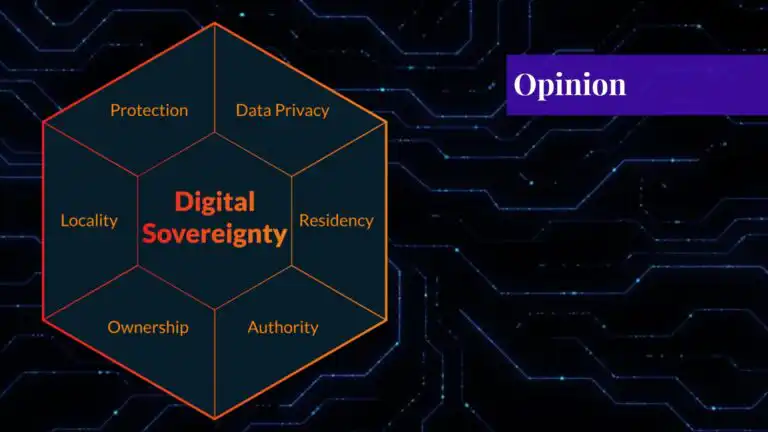
Digital sovereignty—the notion of a nation’s sovereignty over its data, digital infrastructure, and technology policies—has become a pressing issue in global governance as the world becomes increasingly digital. To the people of the Global South, it is more than a mere technical debate but a battle for sovereignty in a world where only a few have technological powers.
Pakistan, being uniquely placed geographically and in the wake of ever-changing policies, with a rising voice in international forums, will play a significant role in determining this narrative. Pakistan’s geography and historical position as a middleman between diverse global alliances position it better in a polarised digital governance world. Pakistan maintains good relations with China, mostly through the China-Pakistan Economic Corridor (CPEC) platform.
It also stands to extract most of Beijing’s comprehensive efforts behind the Digital Silk Road, which means access to better technologies in cutting-edge industries, improvements in digital infrastructures, and enhanced levels of cyber security. More importantly, the historical nexus between Pakistan and Western societies allows for constructive engagement across international platforms that bring all sorts of opinions on what digital governance should be. This double involvement makes Pakistan a natural bridge, fostering cooperation rather than confrontation in an increasingly fragmented digital world.
Digital sovereignty is closely related to the theoretical framework of the dependency theory, which is a critical approach to how Global South nations often depend on the Global North for economic and technological resources. According to Immanuel Wallerstein in “The Modern World System” (1974), such dependencies perpetuate systemic inequities.
Pakistan’s Cloud Policy Framework, which emphasises data localisation, resonates with this theory because it seeks to reduce dependency on foreign data infrastructure. This approach aligns with initiatives across the Global South, where countries like Indonesia and Vietnam have adopted similar policies to assert their sovereignty over digital resources. Global economic trends have further underlined the importance of digital sovereignty. The global data economy, according to a report by the McKinsey Global Institute, adds $3 trillion to the global GDP every year. A growing share of that contribution comes from developing countries. For Pakistan, that would mean not only protecting its data but also harnessing it for economic development.
The National Incubation Center and Pakistan Software Export Board are among the initiatives that support growth and have economic value for a digital ecosystem if well governed. A global model that proved successful and could be beneficial for Pakistan is Estonia, commonly known as the “Digital Republic.” Estonia has changed its economic landscape through proper digital governance, maintaining data sovereignty at the same time, and bringing public trust to digital systems. Its e-governance framework, blockchain-based security protocols, and citizen-centric services make it a leader in digital innovation. For Pakistan, Estonia’s focus on digital literacy and public-private partnerships serves as a guide in developing a safe and inclusive digital infrastructure. Pakistan’s efforts to reduce the digital divide further establish it as a possible leader in digital governance within the Global South.
The country has opened the internet to rural and deprived areas through programs like the Universal Service Fund. Another important aspect of digital sovereignty is cybersecurity, in which Pakistan has shown increasing interest. The Cybersecurity Policy 2021 lays out a holistic approach to protecting critical digital infrastructure and building international cooperation. Pakistan’s participation in the international agenda, such as the International Telecommunication Union’s cyber security programs, demonstrates its understanding that digital security is a collective responsibility. Furthermore, the NADRA has set a regional benchmark in secure digital identity systems. Hence, by and large, Pakistan sets an example in the strong digital framework it has evolved. The issue of artificial intelligence (AI) further complicates the question of sovereignty in the digital age. Since AI increasingly determines economies and societies, issues around biased algorithms and exploitative data practices have arisen as ethical concerns.
Pakistan’s collaborations with global organisations that promote ethical AI reflect its forward-looking approach towards data protection in the digital space, personal data privacy, and aligning technology with developmental priorities. “Weapons of Math Destruction” by Cathy O’Neil (2016) raises the issue of dangers due to the unregulated proliferation of AI, particularly concerning marginalised groups.
Pakistan’s advocacy for transparent and inclusive AI systems ensures general data protection regulations and that this adoption happens in a way that maintains the broader aspirations of the Global South. The collective potential of Pakistan’s alliances in the Global South is also critical. Platforms such as the Organization of Islamic Cooperation (OIC) and the South Asian Association for Regional Cooperation (SAARC) can be leveraged by Pakistan to lead joint strategies in the digital sphere. Pakistan can magnify the voices of developing countries in international negotiations by casting digital sovereignty as a collective challenge. For instance, Pakistan’s vigorous participation in the G77 summit has demonstrated its capacity to campaign for just digital governance, advocating for the concept of digital sovereignty and technology transfer as vital dimensions of global justice.
If you want to submit your articles and/or research papers, please check the Submissions page.
The views and opinions expressed in this article/paper are the author’s own and do not necessarily reflect the editorial position of Paradigm Shift.