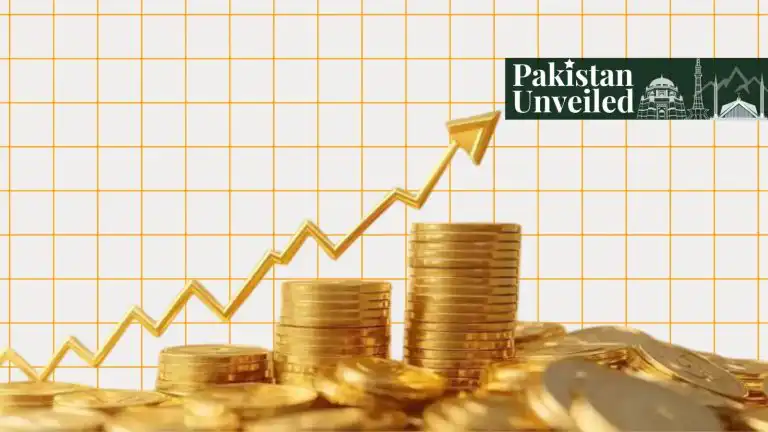
Gold has had one of the wildest years in recent memory. If you have been watching the rates go up one week & drop the next, you are not imagining things. 2026 has genuinely been one of the most volatile years for gold in the last decade, and for Pakistani buyers and investors, understanding why matters just as much as watching the numbers themselves.
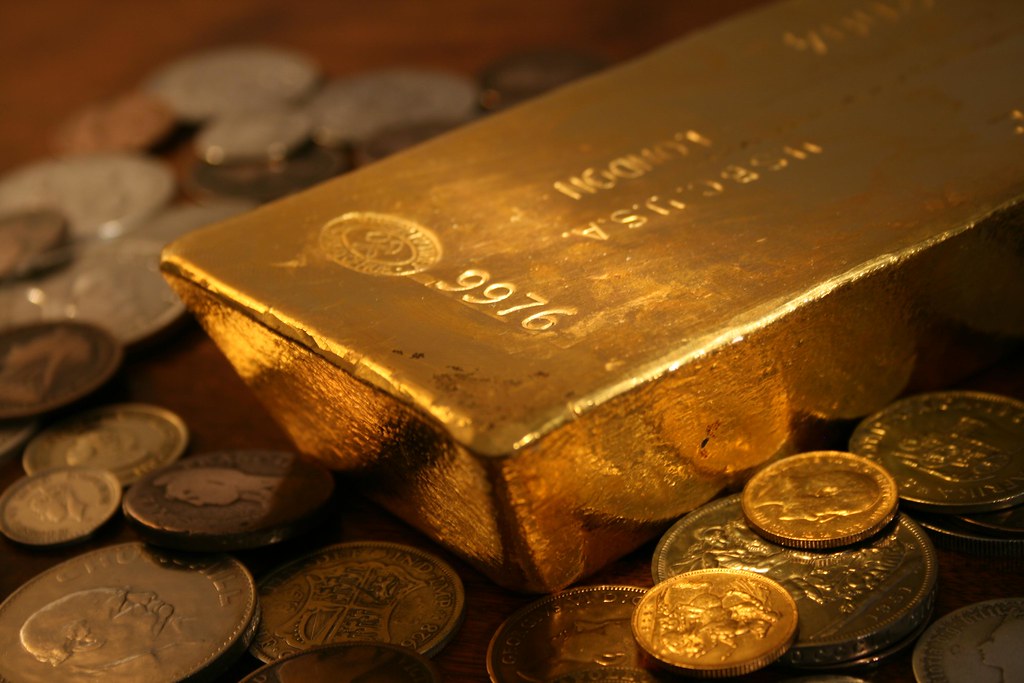
This blog breaks down what has actually been happening with gold globally this year, why prices keep swinging up and down, and what it means for the local Pakistani market.
A Wild Start to the Year
Gold began 2026 on an incredible run. Prices soared to record highs in January, with some intraday trading crossing above $5,500 per ounce, according to the World Gold Council. That was a stunning number considering gold was trading around $3,300 an ounce just a year earlier, in mid-2025.
But that rally did not hold. By late June 2026, gold had dropped sharply, falling below $4,000 per ounce at one point, down roughly 7% for the year. Then came another swing back upward, with prices climbing again through July and August.
This kind of back-and-forth movement, sharp rallies followed by equally sharp pullbacks, has become the defining feature of gold in 2026.
Global Gold Price Snapshot 2026
| Period | Approximate Price (per oz) | Movement |
|---|---|---|
| June 2025 | $3,303 | Baseline |
| Late January 2026 | Above $5,500 (intraday peak) | Record high |
| Early February 2026 | $4,660 | Sharp drop, 14% in 3 days |
| Late June 2026 | Below $4,000 | Year-to-date low |
| August 2026 | Around $4,340 | Recovery underway |
Why Is Gold Moving So Much This Year?
A few major forces are driving this unusual volatility.
Geopolitical tensions
Trade disputes, tariff battles and conflicts, including recent tensions involving the US and Iran, have repeatedly pushed investors toward gold as a safe haven, then pulled prices back once tensions cooled slightly.
Central Bank Buying
Central banks around the world have been buying gold at more than double the pace they were before 2022. China in particular ramped up imports sharply in early 2026, with net imports jumping to 317 tons in the first quarter alone, nearly three times the previous quarter’s figure.
US Interest Rate Expectations
Gold tends to move in the opposite direction of interest rate expectations. When the market expects the US Federal Reserve to cut rates, gold usually rises. When rate cuts look less likely, gold tends to cool off. Much of 2026’s volatility has come from shifting expectations on this front.
De-dollarisation & Debasement Concerns
A growing number of countries and institutions have been diversifying away from the US dollar & other fiat currencies, using gold as a hedge against currency debasement rather than just a crisis hedge. This has added a more structural, longer-term layer of demand beneath the day-to-day price swings.
Record ETF inflows
Gold-backed ETFs saw record inflows in 2025, reportedly around $89 billion, and that momentum has carried into 2026, adding another layer of investment demand on top of central bank buying.
What Are Analysts Predicting for the Rest of 2026?
Major financial institutions have given a genuinely wide range of forecasts this year, and that range itself tells you how uncertain the outlook is.
- J.P. Morgan has forecast gold reaching around $6,000 per ounce by the end of 2026.
- Goldman Sachs lowered its target from $5,400 to roughly $4,900 per ounce.
- Barclays projects gold rising to about $4,791 by year-end.
- HSBC has adjusted its forecast downward, most recently to around $4,560 per ounce.
- StoneX takes a more cautious view, expecting gold to settle closer to $4,000 by year-end.
- The World Bank revised its 2026 average forecast upward earlier this year, from $3,575 to $4,700 per ounce.
The gap between the most bullish and most cautious forecasts is unusually wide this year, which reflects just how sensitive gold has become to short-term political and economic news.
What This Means for Gold Rates in Pakistan
Pakistan is a net importer of gold, so local rates closely track international prices along with the US dollar to Pakistani rupee exchange rate. When global gold prices rise, or the rupee weakens against the dollar, gold in Pakistan tends to get more expensive, and vice versa.
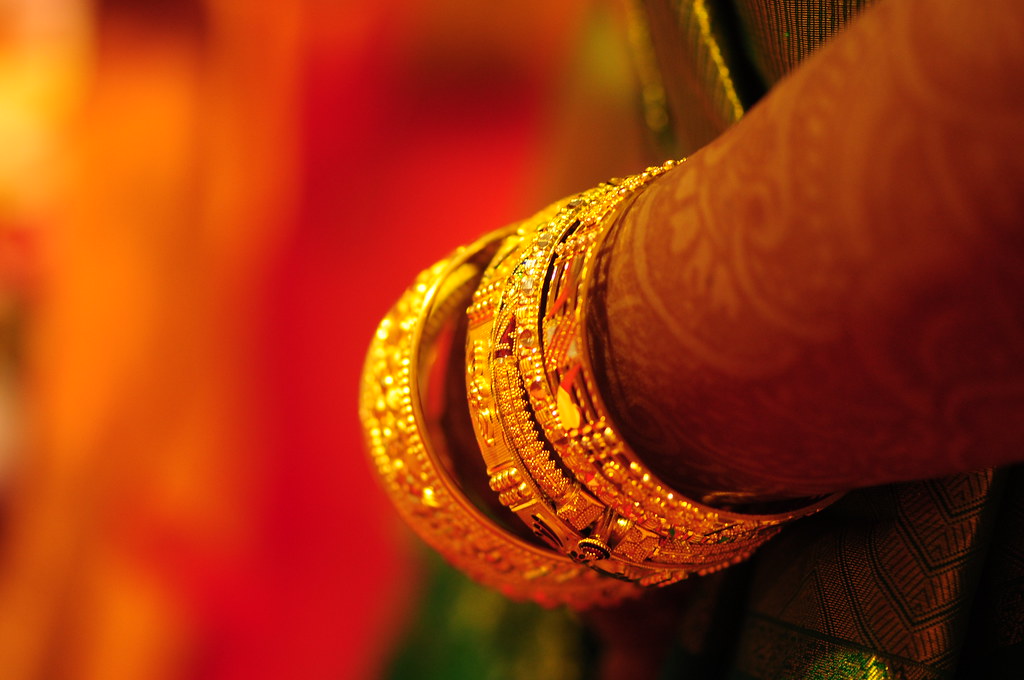
As of mid-August 2026, gold in Pakistan has been trading in a range roughly between Rs. 428,000 and Rs. 456,000 per tola for 24-karat gold, depending on the day, with noticeable day-to-day swings tracking the same volatility seen internationally.
A few things worth keeping in mind for Pakistani buyers:
- Gold rates can shift by several thousand rupees per tola within just a few days.
- Local demand, particularly around wedding season and festivals, can push prices slightly above the pure international rate.
- The rupee’s stability against the dollar plays almost as big a role in local pricing as the global gold price itself.
- Karachi’s Sarafa Market rates typically set the trend that other cities follow.
Should You Buy Gold Right Now?
This is the question almost everyone in Pakistan asks whenever gold prices move. There is no single right answer, but a few points are worth considering.
Gold has historically served as a hedge against inflation and currency devaluation, both of which remain genuine concerns in Pakistan’s economic environment. At the same time, gold should not make up the majority of anyone’s savings or investment portfolio, given how sharply prices can swing in short windows, as 2026 has clearly demonstrated.
If you are buying gold for jewellery or personal use, timing matters less. If you are buying purely as an investment, it is worth watching both international trends and the rupee’s movement before making a large purchase.
FAQs
After the sharp rally in January, profit-taking, shifting expectations around US interest rates & temporarily easing geopolitical tensions all contributed to the pullback that followed through February & into mid-year.
Local gold rates in Pakistan are also affected by the US dollar-to-rupee exchange rate & local demand, meaning prices can shift even without a corresponding move in the international market.
Forecasts vary widely, from around $4,000 to $6,000 per ounce by year-end, depending on the institution. Most analysts agree the underlying demand drivers, central bank buying & currency diversification, remain strong, though short-term volatility is expected to continue.
Central banks, particularly in Asia, have been increasing reserves as a hedge against currency debasement & to diversify away from heavy reliance on the US dollar.
It depends on your purpose. For personal or jewellery use, timing is less critical. For investment purposes, it is worth monitoring both international price trends & the rupee’s exchange rate before making a significant purchase, since both directly affect the rate you pay locally.
If you want to submit your articles and/or research papers, please visit the Submissions page.
To stay updated with the latest jobs, CSS news, internships, scholarships, and current affairs articles, join our Community Forum!
The views and opinions expressed in this article/paper are the author’s own and do not necessarily reflect the editorial position of Paradigm Shift.

Paradigm Shift is an official staff account.