Introduction
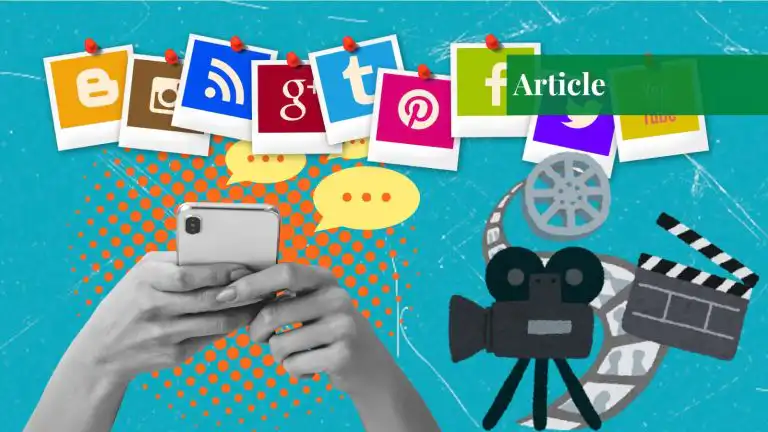
Video is now the default way most people spend time on their phones, moving between YouTube, Instagram, and half a dozen messaging apps in a single sitting. That habit runs into two walls fast: a data plan that empties faster than expected, and a signal that drops the moment a train enters a tunnel or a lecture hall fills up.
As mobile users demand faster access to high-definition media without constant buffering, tools like Vidmate have emerged as popular solutions for managing multi-platform downloads in one place. The appeal has less to do with any single app and more to do with keeping a data bill under control while still watching everything in decent quality.
That shift, from watching everything live to building a small offline library, is quietly changing how people consume media on shared or limited connections.
Why Users Prefer Offline Media Libraries in 2026
A video watched twice over mobile data costs twice as much as one downloaded once and replayed for free. That simple math is why a growing number of users save a clip the moment they are on wifi instead of streaming it fresh every time a group chat brings it back up.
Buffering on a moving bus or in a basement office with two bars of signal is not just annoying; it stops the video outright until the connection catches up. A downloaded file plays the same whether the signal is full strength or gone entirely.
People also use these apps to pull video together from wherever it started- a Reel, a status update, a full-length upload, into one folder instead of leaving it scattered across five different apps. Finding something again later takes one search instead of remembering which platform it came from.
Essential Features of Modern Downloader Applications
Not every downloader app is built the same way, and the difference usually shows up in four areas.
- Multi-resolution support. Choosing anywhere from 360p to full 4K means someone on a tight data plan can grab a lightweight version, while someone downloading on wifi can keep the original quality for later.
- Background processing. Letting a download keep running while someone switches to a different app or locks the screen removes the need to sit and watch a progress bar for ten minutes.
- Batch downloading. Queuing five or six clips at once instead of one at a time saves the kind of time that adds up over a week of daily use.
- Built-in audio extraction. Turning a video into a standalone MP3 matters most for people who save podcasts, lecture recordings, or long interviews and only need the audio for a commute or a workout, not a video file taking up three times the storage.
How All-in-One Tools Benefit Viewers and Creators Alike
For viewers, the main benefit is not being blocked by region restrictions or a platform deciding to remove something later. Once a file is saved locally, it stays watchable regardless of what happens to the original post or account.
Creators use the same tools differently, mostly for research. Pulling reference clips, competitor Reels, or tutorial breakdowns into one folder is faster than switching between five open tabs and trying to remember which video showed which technique.
Deleting the original streamed copy after saving a compressed version is a common habit too, since it frees up phone storage that would otherwise fill up with duplicate, low-priority video files.
Staying Safe While Using Third-Party Media Tools
Downloading any app outside an official store carries some risk, and media downloaders are no exception. Sticking to a developer’s own website or a verified listing, rather than a random APK link shared in a forum, cuts down most of that risk immediately.
Checking what permissions an app asks for is worth the ten seconds it takes. A downloader app that wants access to contacts or SMS messages has no real reason to ask for either.
Saving content for personal, offline use is different from reposting someone else’s work as your own or stripping a creator’s credit off a downloaded clip. The first is common practice. The second causes the kind of harm that fair use was never meant to cover.
Conclusion
Media downloaders exist because streaming alone does not account for spotty connections, limited data, or the simple wish to watch something twice without paying for it twice. They fill the space between a platform’s app and a person’s actual, unreliable internet connection.
The tools will keep changing as networks improve, but the underlying reason people reach for them, wanting content on their own terms instead of a server’s, is not going anywhere soon.
Find our FREE quizzes and MCQs here!
If you want to submit your articles and/or research papers, please visit the Submissions page.
To stay updated with the latest jobs, CSS news, internships, scholarships, and current affairs articles, join our Community Forum!
The views and opinions expressed in this article/paper are the author’s own and do not necessarily reflect the editorial position of Paradigm Shift.

Paradigm Shift is an official staff account.