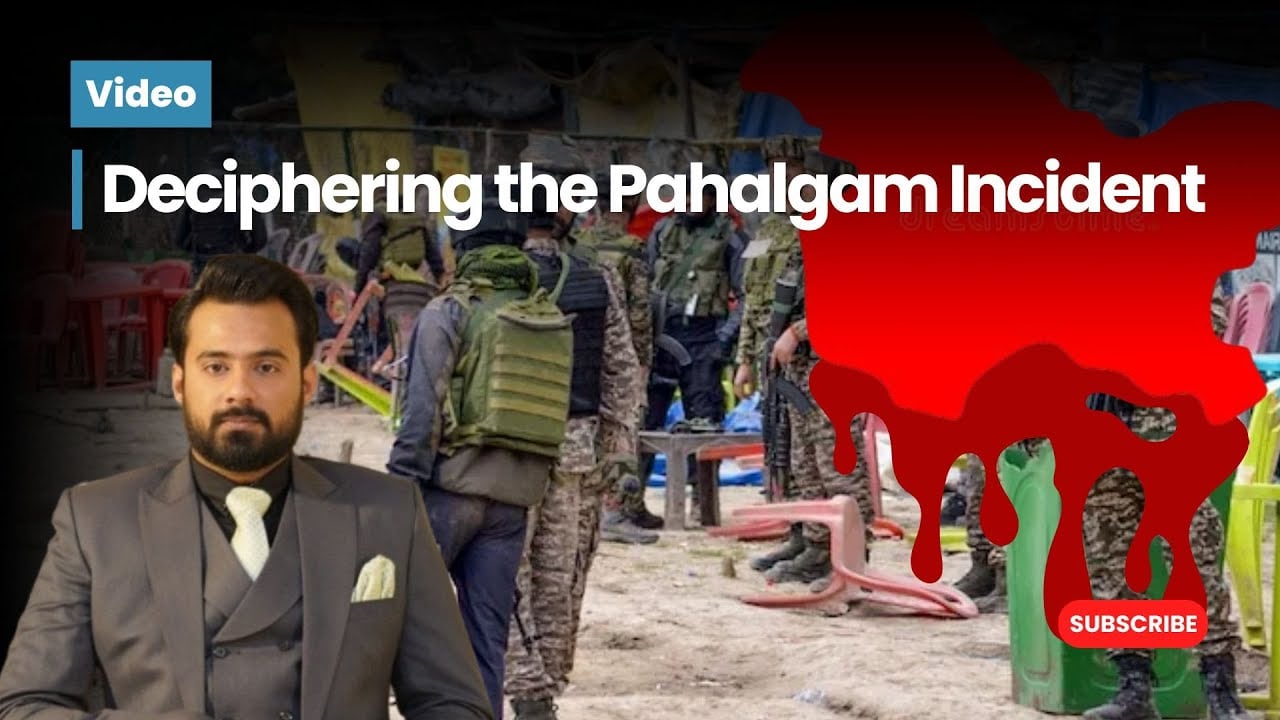
For the Kashmiri youth, life unfolds in a land of breathtaking beauty and unrelenting fear, where the specter of nuclear conflict between India and Pakistan casts a long, chilling shadow. The April 2025 terrorist attack in Pahalgam, which left 26 civilians dead, has reignited tensions, with cross-border shelling and heated rhetoric pushing the region toward the brink. As an International Relations scholar, I believe this cycle of violence and nuclear brinkmanship traps Kashmir’s youth in a crucible of lost dreams and stifled potential. They deserve a future shaped by their ambitions, not the geopolitics of two rival nations—a future that demands India, Pakistan, and the world prioritize human security over territorial disputes.
Kashmir has long been the crucible of India-Pakistan enmity, a region claimed by both since the 1947 partition tore British India apart. For the 7 million people in Indian-administered Kashmir, life is a tapestry of curfews, checkpoints, and the ever-present hum of conflict. The Pahalgam attack, blamed on Pakistan-linked militants, prompted India to crack down with detentions and demolitions, while Pakistan’s denials and nuclear saber-rattling only deepened the crisis. Caught in this crossfire are Kashmir’s youth, over 60% of the population under 30, who face not just bullets but the psychological weight of living in a nuclear flashpoint.
Imagine being a 20-year-old in Srinagar, dreaming of a career in tech or medicine, only to wake to news of missile tests and troop buildups. Schools close, internet blackouts sever connections, and the constant threat of violence stifles ambition. The 2019 revocation of Kashmir’s autonomy sparked protests and lockdowns, leaving young people feeling like pawns in a game they didn’t choose. Pakistan’s side of the border is no better, where economic stagnation and militancy offer few prospects beyond recruitment into extremist groups. This isn’t just a local tragedy; it’s a generational theft, robbing millions of their potential to shape a brighter South Asia.
The nuclear dimension makes this plight uniquely dire. India’s 180 warheads and Pakistan’s 170 are not abstract statistics—they are swords hanging over Kashmir’s youth. Pakistan’s tactical nuclear weapons, like the Nasr missile, lower the threshold for escalation, while India’s vague red lines around its “No First Use” policy invite miscalculation. A single misstep—say, a terrorist attack misattributed to state sponsorship—could trigger a conflict that a 2019 study estimated would kill 50–125 million people instantly, with Kashmir’s valleys among the first to burn. For young Kashmiris, this isn’t a hypothetical; it’s the backdrop to their daily lives, a shadow that darkens every plan, every hope.
Why does this cycle persist? Nationalism is the easy answer. In India, leaders face pressure to appear unyielding, especially after attacks like Pahalgam, lest they lose face before a fervent public. Pakistan’s military, wielding outsized influence, sees Kashmir as a rallying cry to justify its grip on power, even at the cost of economic ruin. Both sides wield nuclear arsenals as symbols of strength, but it’s Kashmir’s youth who pay the price, their dreams collateral damage in a contest of egos. This isn’t strategic genius; it’s a failure of imagination, a refusal to see that security lies not in warheads but in empowered people.
The human cost is staggering. Youth unemployment in Indian-administered Kashmir hovers around 25%, fueled by conflict-driven disruptions. Mental health crises are rampant, with studies reporting high rates of anxiety and PTSD among young Kashmiris, a silent epidemic born of living in a war zone. On the Pakistani side, militancy preys on disillusioned youth, offering purpose where opportunity is scarce. These are not just statistics—they are stories of potential snuffed out, of coders who could rival Bangalore’s tech stars or poets who might pen South Asia’s next great epic, lost to a conflict older than they are.
Breaking this cycle requires a radical shift: putting Kashmir’s youth at the center of the conversation. India and Pakistan must move beyond zero-sum territorial claims and invest in human security. Start with dialogue—not just between capitals, but with Kashmiri voices, especially the young. Platforms like youth councils or cross-LOC student exchanges could foster understanding, turning adversaries into collaborators. India’s crackdowns and Pakistan’s proxy support for militants only alienate the next generation; instead, both should fund education and entrepreneurship, giving youth stakes in peace. Imagine tech hubs in Srinagar or vocational schools in Muzaffarabad, channeling energy into creation rather than confrontation.
The international community has a role, too. The U.S., distracted by global crises, must recognize that South Asia’s nuclear risk dwarfs other conflicts in potential impact. Neutral mediators like Qatar, with ties to both nations, could facilitate youth-focused peace initiatives, building on the 2021 ceasefire’s fragile precedent. Global tech firms could partner with Kashmiri startups, offering pathways out of despair. These aren’t utopian fantasies—they’re pragmatic steps to defuse a powder keg by empowering those most affected.
Skeptics will argue that Kashmir’s youth are too divided, too radicalized, to lead change. But history shows otherwise. From South Africa’s anti-apartheid movement to Northern Ireland’s peace process, young people have bridged divides when given a chance. Kashmir’s youth, tech-savvy and globally aware, are no less capable. They’re already organizing—through art, social media, and quiet acts of defiance—demanding a future unshackled from the past. The question is whether India, Pakistan, and the world will listen.
The Pahalgam attack is a grim reminder that the status quo is unsustainable. Each crisis brings Kashmir’s youth closer to a precipice where nuclear shadows become real flames. India and Pakistan can keep playing this deadly game, but it’s the young—those who should be building, dreaming, living—who lose most. As an IR scholar, I believe security isn’t about who has more missiles but who has a future. Kashmir’s youth deserve one, and it’s time their voices, not warheads, shape what comes next.
If you want to submit your articles and/or research papers, please visit the Submissions page.
To stay updated with the latest jobs, CSS news, internships, scholarships, and current affairs articles, join our Community Forum!
The views and opinions expressed in this article/paper are the author’s own and do not necessarily reflect the editorial position of Paradigm Shift.

Aleena Saif Ullah is a 24-year-old writer, poet, HEC published researcher, and scholar who holds a bachelor’s degree in Political Science (Gold Medalist) and is currently pursuing an MPhil in International Relations from the University of the Punjab, Lahore.