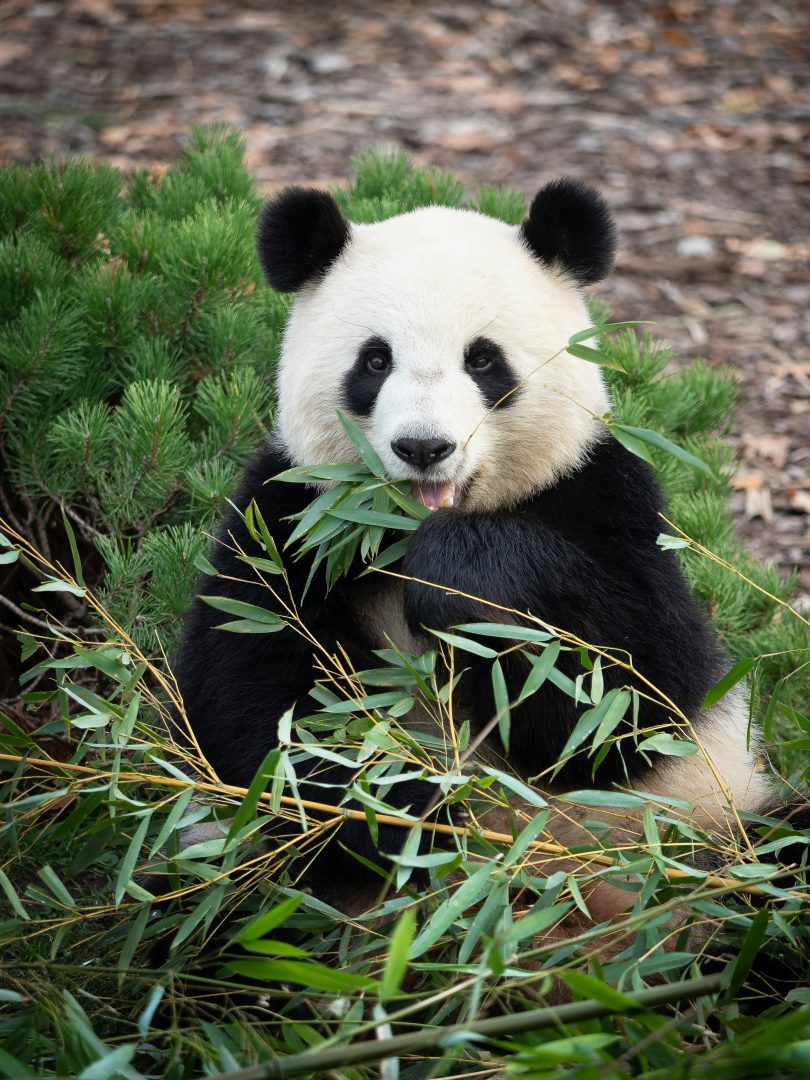
Could you imagine a slow, bamboo-chewing panda that mostly does nothing, just sits around all day, somehow becoming one of the most powerful tools in the foreign policy kit of one of the world’s biggest powers? It sounds silly at first, but it has been going on for more than 50 years with China’s giant pandas. From the outside, it looks completely innocent: just zoos, excited kids, and endless photos of a fluffy animal falling off a log. Look a little closer, though, and you start noticing that this panda diplomacy lines up suspiciously well with the highs and lows of China’s relationships with countries like the United States, Australia, and much of Europe.
Where Panda Diplomacy Actually Started
The tradition goes back further than most people realize. In 1972, President Richard Nixon made his famous trip to Beijing. Right after his trip, China started sending pandas to the USA, which warmed up their years of distant relations. Previously, pandas were considered a genuine gift, with no intention was hidden behind obvious symbolism. That changed eventually.
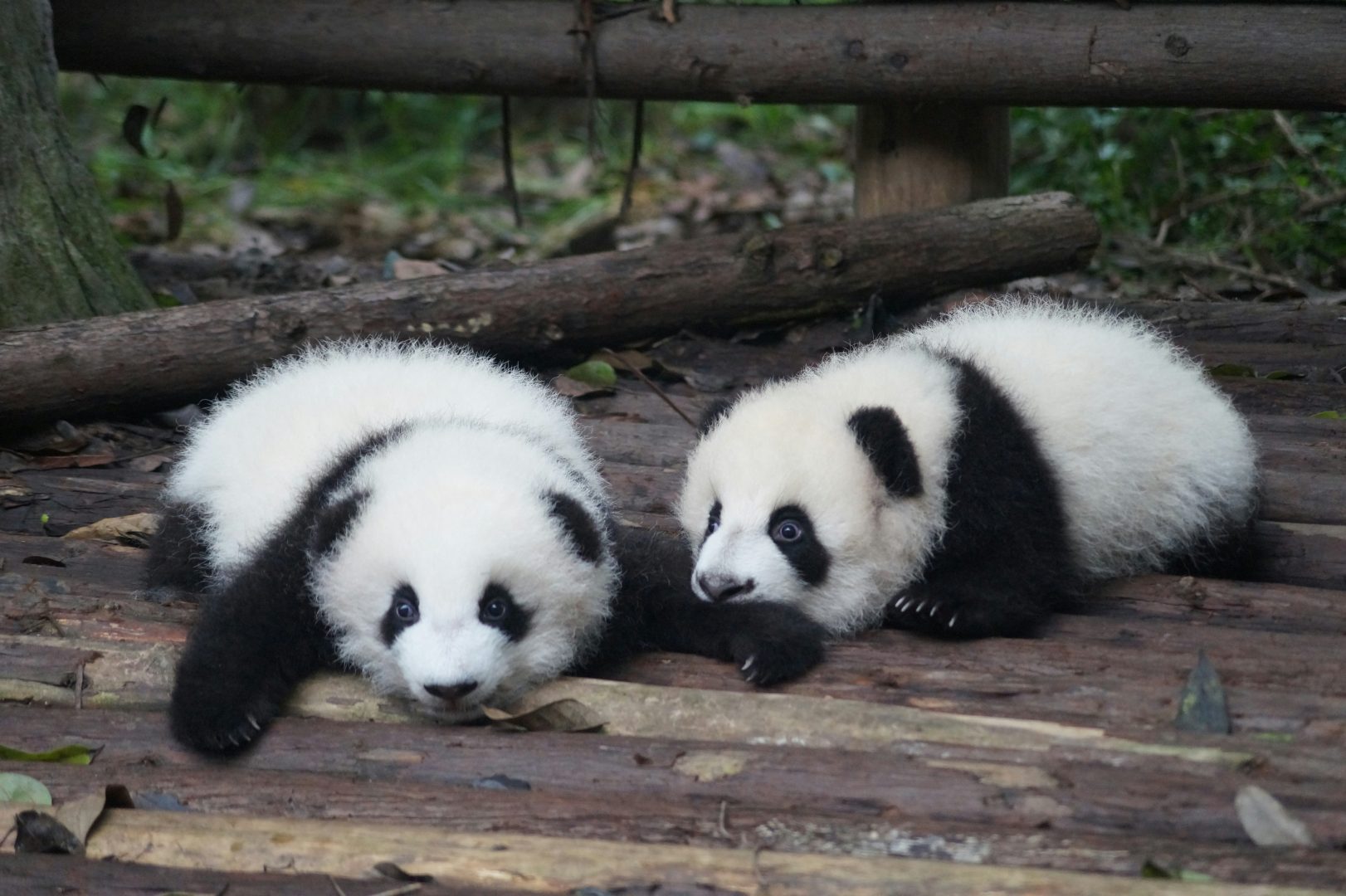
China moved away from giving pandas away outright and started loaning them instead, charging foreign zoos hefty annual fees, sometimes over a million dollars, for agreements that usually run around a decade. That’s the downside: a lot of visitors don’t even realize it while they’re getting a shot, because every cub born abroad legally belongs to China, and they get shipped back once they get three or four years old.
When Pandas Follow Politics
This is where things get genuinely fascinating, at least to anyone who follows international relations. The timing of these panda loans has a habit of falling right in line with major diplomatic efforts. In 2011, Edinburgh Zoo received two pandas. Subsequently, Scotland and China signed trade deals covering salmon exports and renewable energy. In 2017, a panda loan landed in Germany right around the same time Xi Jinping visited Berlin.
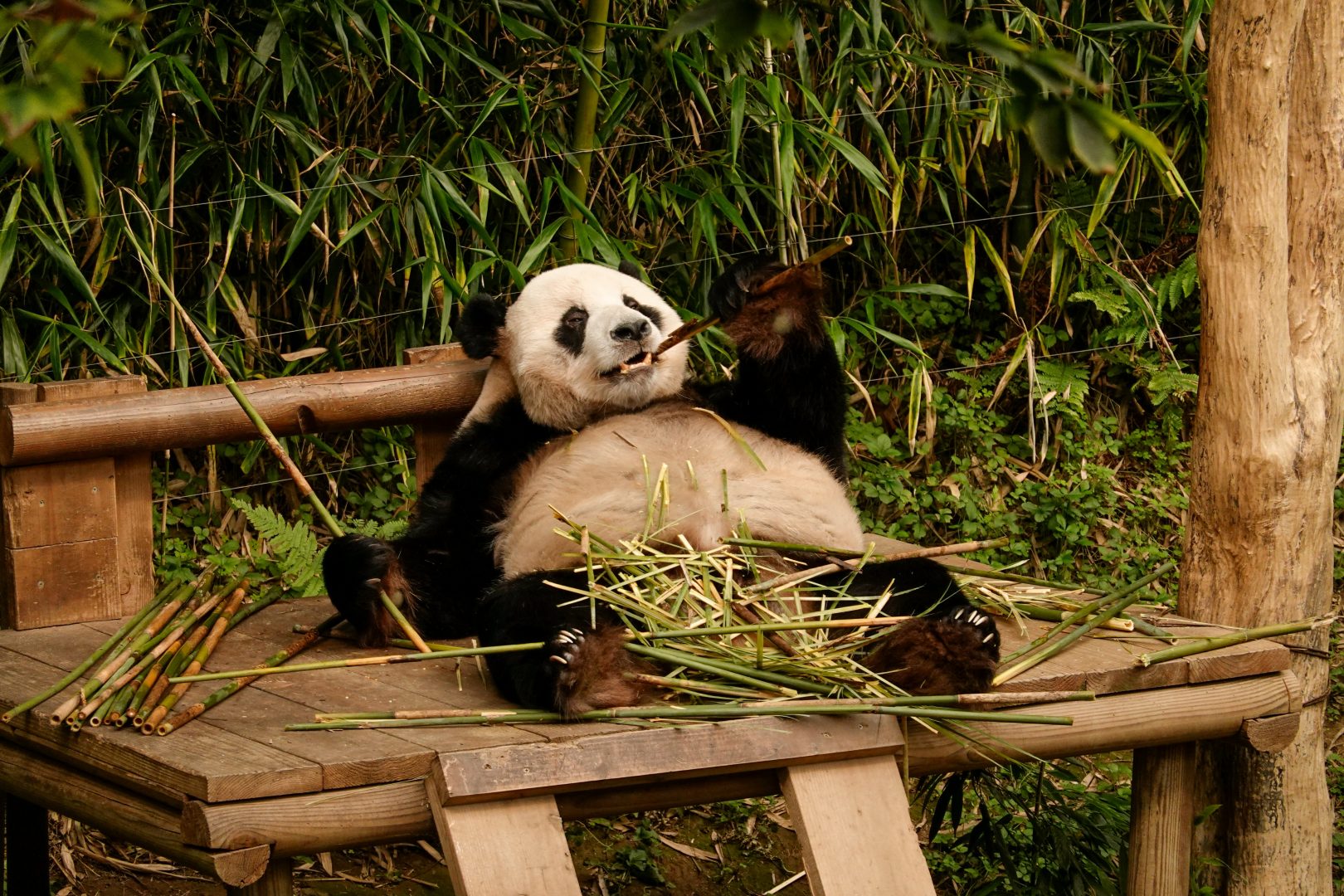
Nobody is claiming these are wild coincidences that took years of digging to uncover. Researchers who track this stuff have watched China’s whole approach shift over time, moving from simple goodwill gifts to a straightforward business transaction and now into something closer to a visible thermometer for how healthy or shaky a trade relationship currently is.
When Pandas Become a Diplomatic Signal
The flip side of this pattern might actually be more revealing. Dennis Wilder, a senior fellow at Georgetown University’s Initiative for US-China Dialogue on Global Issues, came up with the term “punitive panda diplomacy” after watching what happened during a rough patch in US-China relations. Zoos in Memphis and San Diego lost their pandas during that stretch, and for a while it genuinely seemed like Washington’s National Zoo, along with facilities in Scotland and Australia, might be next, with no real indication that anyone was renewing those contracts. Wilder’s read on it was that Beijing might have been sending a message without ever needing to say a word publicly, letting the pandas’ quiet exit do the talking instead.
When US-China Relations Started Warming Again
That cold spell didn’t stick around forever, which honestly tracks with how these things usually go. As relations between Washington and Beijing started thawing again, China’s ambassador to the United States, Xie Feng, showed up at the National Zoo to announce a brand new cooperation deal, calling it a very good sign for the relationship going forward. Two young pandas, Bao Li and Qing Bao, eventually arrived in Washington under an agreement running all the way to 2034, with the zoo paying about a million dollars each year toward habitat restoration, disease monitoring, and research on how climate change is affecting panda populations.
And then it happened again just a few months later. Right before President Donald Trump’s planned trip to China, his first in ten years, Beijing rolled out a fresh panda partnership with Zoo Atlanta, sending over a male named Pingping and a female named Fushuang for a decade of joint research. Most observers read that timing as deliberate, a way for China to signal openness right before a major visit, fitting a pattern researchers have documented for years. San Diego Zoo had already gotten its own pair back in 2024, and San Francisco has been expecting a set of pandas too.
Panda Diplomacy Is Not Just About Politics
It would be unfair to paint this whole thing as pure political theater, because it is really a genuine conservation angle running underneath it. The giant panda got reclassified from endangered to vulnerable by the IUCN back in 2016, a shift that owes a lot to China’s long-term investment in protecting panda habitat. The giant panda was moved from the endangered list to the vulnerable list by the IUCN in 2016. This change is mainly because of China’s long‑term work to protect panda habitat. China has kept enlarging the Giant Panda National Park, which now covers more than 27,000 square kilometers, in Sichuan, Shaanxi, and Gansu.
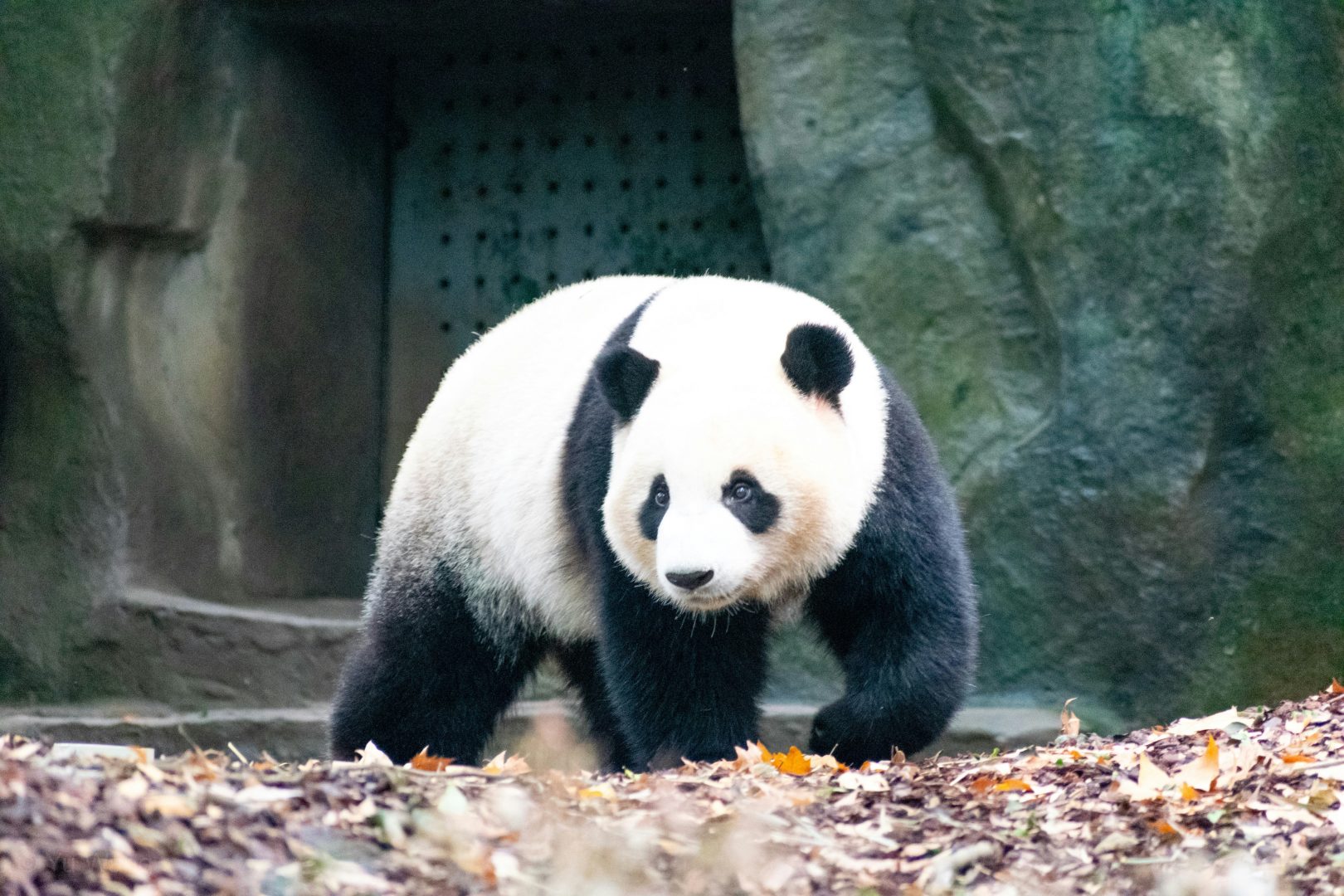
China has also carried out projects that connect pieces of habitat that were split apart so that groups of pandas can meet again and keep their gene pool healthy. The fees zoos pay do genuinely fund a chunk of that work. It just also happens that pandas make wonderfully convenient political messengers at the same time.
Why Panda Diplomacy Works So Well
Panda diplomacy is named such because it is a highly effective and long-lasting political strategy that is honestly how cheap it is for the payoff it delivers. Otherwise, it will be questioned, and eyebrows will be raised about motive if China sends someone missiles or helps build a highway for them.
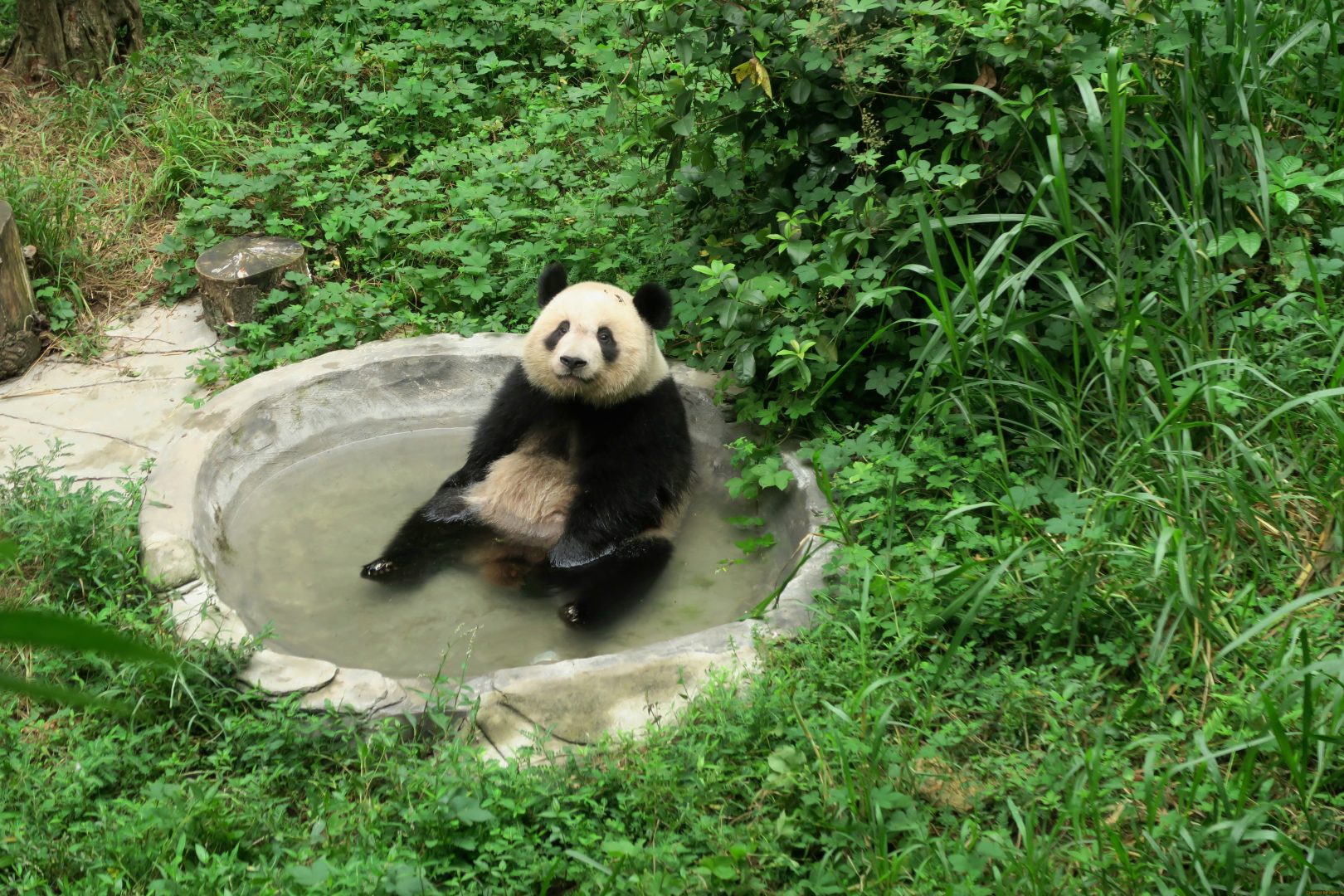
Sending someone a pair of pandas rarely does. Families wait in line for hours, local news covers the arrival for days, and a country’s entire image gets a gentle little boost, all thanks to an animal that basically nobody finds unlikeable. As long as China’s relationships with the rest of the world keep shifting the way they always have, the pandas will probably keep moving right along with them, one carefully timed announcement and one bamboo shoot at a time.
If you want to submit your articles and/or research papers, please visit the Submissions page.
To stay updated with the latest jobs, CSS news, internships, scholarships, and current affairs articles, join our Community Forum!
Find our FREE quizzes and MCQs here!
The views and opinions expressed in this article/paper are the author’s own and do not necessarily reflect the editorial position of Paradigm Shift.

Hooria Akbar is an independent researcher and content writer with a strong interest in contemporary issues across AI, technology, society, and emerging trends. She writes research-informed articles, thought pieces, and blogs on a wide range of topics, aiming to present complex ideas clearly and engagingly for diverse audiences.