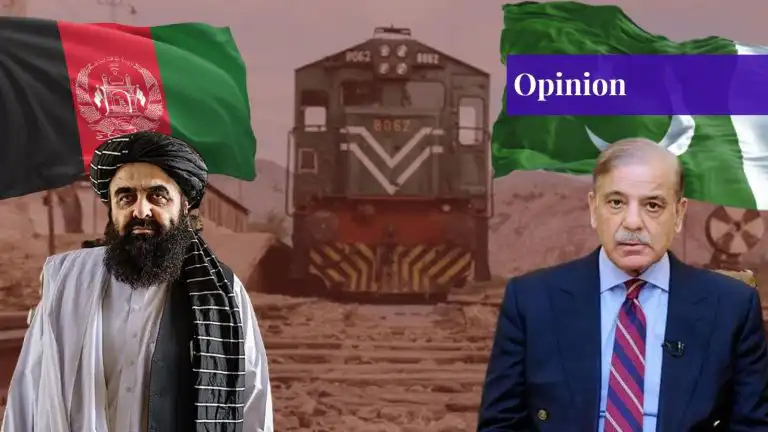
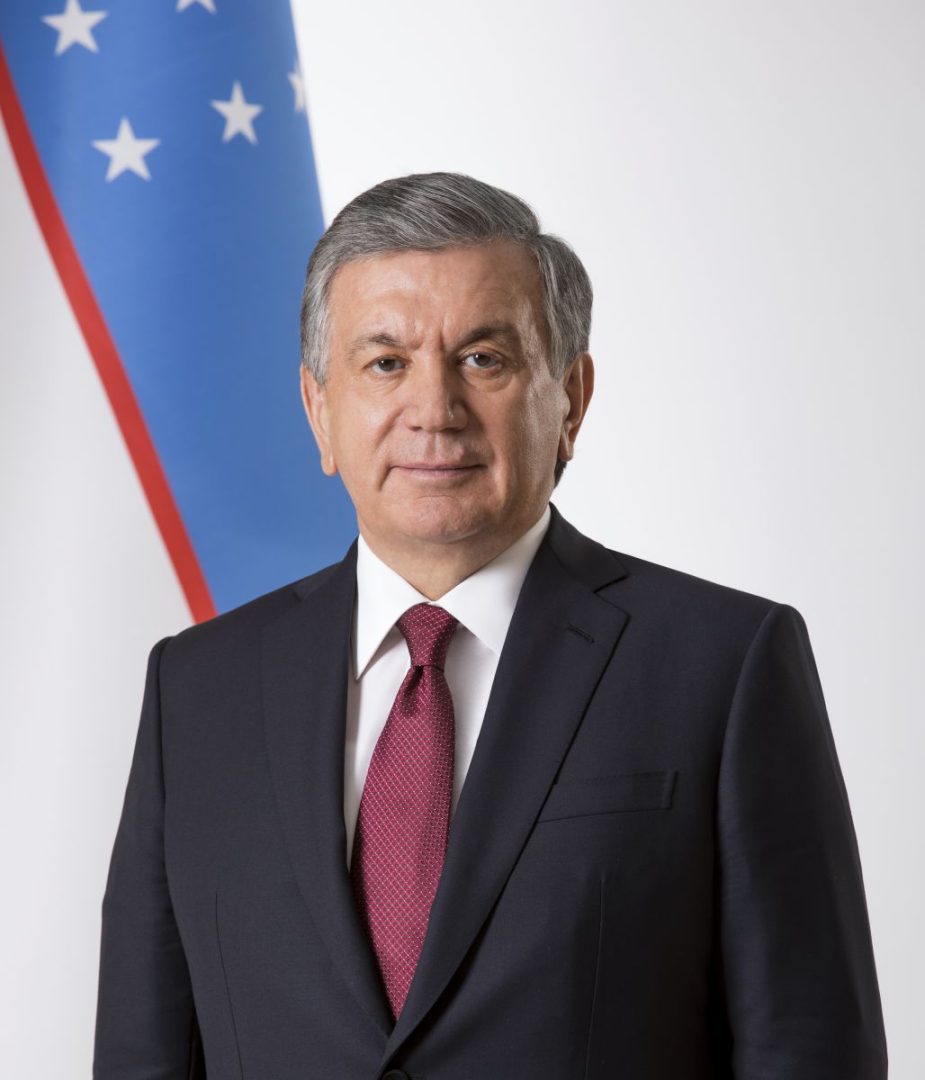
On June 17, 2026, Uzbekistan’s President Shavkat Mirziyoyev said Tashkent was actively working on the Trans-Afghan Corridor, a railway route that would give Uzbekistan direct access to southern seaports. His statement landed as technical and economic studies; the railway kept moving forward. The project is no longer just talk; it’s inching towards something real. Afghan International
The Security Problem
That progress exposes a problem nobody wants to name. Convincing governments the railway is useful was never the hard part. Keeping it secure is. Pakistan and Afghanistan still don’t trust each other, and the Trans-Afghan Railway needs stable movement through Afghan territory and across a border that closes more often than anyone likes to admit. Pakistan can’t treat security cooperation with Kabul as separate from the connectivity project. It has to be part of it.
Timing explains the urgency. Uzbekistan wants a shorter route to the Arabian Sea, one that cuts its reliance on north trade corridors. Pakistan gets a shot at Central Asian markets and busier seaports. Afghanistan collects transit revenue and a bit of economic relevance it hasn’t had in years. Three countries, three good reasons to build this thing. But shared interest in a railway doesn’t create a secure corridor. Wanting something and being able to protect it are different problems.
A railway isn’t a press release. Once it’s running, time crosses borders on schedules, not sentiments. Cargo needs to move without getting stuck at checkpoints for weeks. Tracks and stations need protection from whoever wants to disrupt them. Any serious flare-up between Islamabad and Kabul could shut the whole route down, and there’s no backup plan for that.
Connectivity Meets Politics
This isn’t hypothetical. Reuters reported on August 15 that Pakistan and the Taliban’s relations remain tense, with Islamabad accusing Kabul of sheltering Pakistani insurgents. Meanwhile, Uzbekistan keeps pushing the Trans-Afghan Railway route as if none of that matters. That’s the contradiction sitting at the centre of this project. Connectivity moves forward while the politics at one end stay broken. Pakistan should fix that by making security cooperation central to the railway, not an afterthought bolted on later.
A Practical Security Mechanism
Islamabad doesn’t have to wait for construction to finish before addressing this. Pakistan, Afghanistan, and Uzbekistan need a focused mechanism, built specifically to protect the corridor. Not a forum for solving every dispute between Pakistan and Afghanistan – that’s too big, and it won’t work. Something narrower: border closures, security incidents, safe passage for railway staff, cargo protection, and a working line of communication between the right authorities on both sides. Small, specific but functional.
This changes how Pakistan approaches connectivity altogether. Instead of treating the railway as a pure economic project, Islamabad could use it to build actual working cooperation with Kabul. A cooperation that survives political friction because both sides have money riding on the line, staying open. Even when the two governments can’t agree on much else, neither wants freight sitting at a dead stop.
Afghanistan Cannot Be Ignored
Pakistan also needs to admit something uncomfortable: that its Central Asian ambitions run through Afghan territory, whether it likes that or not. Stronger ties with Tashkent don’t mean much if the physical route between Pakistan and Uzbekistan runs through an unstable Afghanistan. You can’t separate Pakistan’s Central Asia policy from its Afghanistan policy. They’re the same policy now.
Uzbekistan’s continued commitment makes all of this more realistic, not less. Mirziyoyev’s June statement confirms that Tashkent still sees the Trans-Afghan route as central to reaching southern markets. Afghan International that gives Uzbekistan a direct stake in pushing Pakistan and Afghanistan towards a predictable corridor – that its role shouldn’t stop at funding construction. It should extend to nudging both transit countries toward practical coordination.
The Real Test for the Project
The project has already cleared real milestones. In February 2026, Mirziyoyev approved the intergovernmental agreement to prepare a joint feasibility study among the mentioned countries. In May, Russian and Uzbek teams were still running technical studies. The question has shifted. It’s no longer whether the Trans-Afghan Railway should exist. It’s whether anyone can build and run it. That’s why security needs attention now, not after the tracks are laid.
If cross-border movement remains uncertain once the railway opens, the whole thing could fail to deliver what everyone is promising. Businesses don’t choose routes just because they are cheap or short. They choose routes that work every day. A corridor that shuts down whenever Pakistan and Kabul fall out won’t hold onto commercial traffic for long. As it is said, shippers have long memories and short patience.
Security Before Connectivity
For Pakistan, the lesson is quite simple. If Pakistan wants to be a gateway for Central Asia. It has to treat Afghanistan as more than a threat. Whether Pakistan likes it or not. Because without security cooperation alongside the construction, the tracks might connect three states on a map without the trade corridor anyone actually wants. The Trans-Afghan Railway doesn’t need more promises about connectivity. It needs a security framework that can actually protect it.
If you want to submit your articles and/or research papers, please visit the Submissions page.
To stay updated with the latest jobs, CSS news, internships, scholarships, and current affairs articles, join our Community Forum!
The views and opinions expressed in this article/paper are the author’s own and do not necessarily reflect the editorial position of Paradigm Shift.

Abraiz Ali Ahmad is an international relations student at the University of Gujrat, with a strong interest in regional security, geopolitics, and connectivity. He enjoys looking beyond official statements and headlines to understand the interests, vulnerabilities, and consequences shaping regional developments. His particular areas of interest include South Asia, Central Asia, and the Middle East, especially where conflict, infrastructure, and geopolitics intersect.