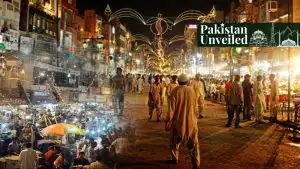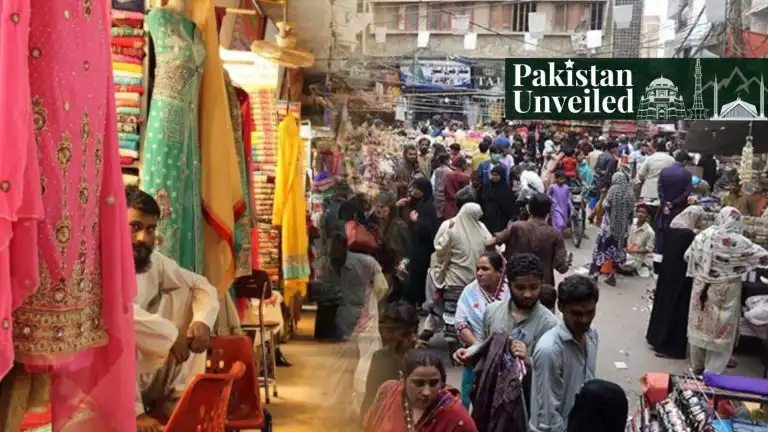
Karachi has no shortage of marketplaces. From the medieval streets of Saddar to the gleaming malls of Clifton, there is always somewhere to buy. However, Khadda Market has a unique role in the city’s character.
It isn’t the largest market in Karachi. It is not the most glamorous. But practically anybody who grew up in DHA or Clifton can tell you about Khadda Market. An afternoon spent bartering over clothing. A bowl of nihari from a vendor who has been there for 20 years. A unique antique item was found at a shop that appeared to have remained unchanged since the 1970s.
Khadda Market in Karachi is a place to linger, not rush. This guide shares everything you need before you visit.
The History of Khadda Market
Most visitors to Khadda Market may not realize its long history. The Urdu term for “mound” is where the market’s name comes from. In the past, the area was a small fishing community near what is now Clifton Beach, beside a sizable natural sand dune. Families of fishermen resided on the outside of the quickly growing city in the early 1950s. As Karachi expanded, so did the region surrounding Khadda. To accommodate the rising population, small stores began to appear. Traders moved in. The tiny roads that had previously been residential turned commercial. By the late 1950s, an identifiable market had developed.
In the 1960s, the market forged a unique identity that continues to shape its nature today. Because of Khadda’s proximity to the sea, it became a perfect hub for imported goods, and antique dealers started to congregate there. The shelves and floors of Khadda’s antique shops were filled with furniture and decorative antiquities as well as artifacts that arrived via the harbor. Regular trips were made by collectors from all over the city. The market is recognized for finding things that are unavailable elsewhere.
The market grew and changed in the ensuing decades. Sindhis, Balochis, Punjabis, and Pathans were among the several communities that settled around it and added to the local character. Businesses founded by families in the 1960s and 1970s are often still in operation today, with the second or third generation working behind the counter.
At the moment, Khadda Market is located in DHA Phase V, which is one of Karachi’s most established residential neighborhoods. The contrast between DHA’s immaculate roadways and the market’s busy, narrow passageways adds to the impression that visiting the market is a genuine experience instead of a contrived one.
Where Exactly Is Khadda Market and How Do I Get There?
Khadda Market in DHA Phase V, Karachi, is accessible via Khayaban-e-Badar and Khadda Market Road, which lead directly to the market gate.
- By Car: This is the most comfortable option. Parking during busy times, weekends, and evenings might be difficult. Arriving in the morning increases your chances of obtaining street parking nearby. Paid parking is available on nearby streets.
- Rickshaws and Taxis are readily available from the nearby DHA districts and Clifton. Khadda Market is popular among drivers in the area. It is one of Karachi’s landmarks that needs no explanation.
- By Public Transportation: There is a bus stop nearby, but most visitors from outside the region choose to return purchases by taxi or a ride-sharing app.
- On Foot: If you are staying in DHA Phase V or the Clifton neighborhood, Khadda Market is easily accessible, depending on where you are coming from. The market is centrally located, so most neighbors consider it a neighborhood amenity rather than a destination.
What You Can Find at Khadda Market
One standout aspect of Khadda Market is its remarkable diversity of goods available. Shoppers can find items ranging from clothing and traditional attire to shoes, jewelry, antiques, electronics, and household supplies, all in a compact area.
Clothing and Traditional Wear
Clothing accounts for a significant share of the shops in Khadda Market. Shoppers will find traditional Pakistani shalwar kameez in cotton, silk & synthetic fabrics, featuring a variety of embroidery techniques. There are also racks of ready-made western-style shirts, jeans, and casual wear.
Traditional clothes stores are worth spending time in. Quality differs greatly between stalls, so inspect carefully and compare before purchasing. Many businesses specialize in specific products like bridal materials and children’s apparel as well as men’s formal attire, so traveling the entire length of the market before making a purchase gives you a better sense of your options.
Prices here are far lower than what you’d spend at a mall for equivalent quality. Bargaining is anticipated and customary. Starting at 60 to 70 percent of the original asking price is a realistic method for most products.
Footwear
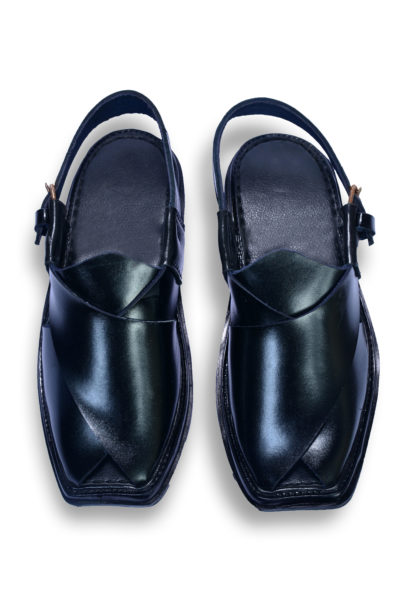
Several shoe stores line the market, offering classic Peshawari chappals in brown and black leather and hand-stitched khussas decorated with threadwork, as well as modern sneakers, casual sandals, and formal leather dress shoes. The leather’s suppleness and craftsmanship, especially in the older shops, stand out.
Jewelry
Shops throughout the market sell gold, silver, and imitation jewelry. The imitation jewelry collection is particularly well-suited for those seeking statement pieces or accessories for occasions such as weddings, formal meetings, and seasonal events. Prices are significantly lower than those at specialist jewelry stores in the city, and shoppers can choose from simple daily designs to elaborate display pieces.
Antiques and Collectibles
This is where Khadda Market’s history is most apparent. The antique stores that first drew collectors in the 1960s are still open, and the inventory continues to amaze tourists today.
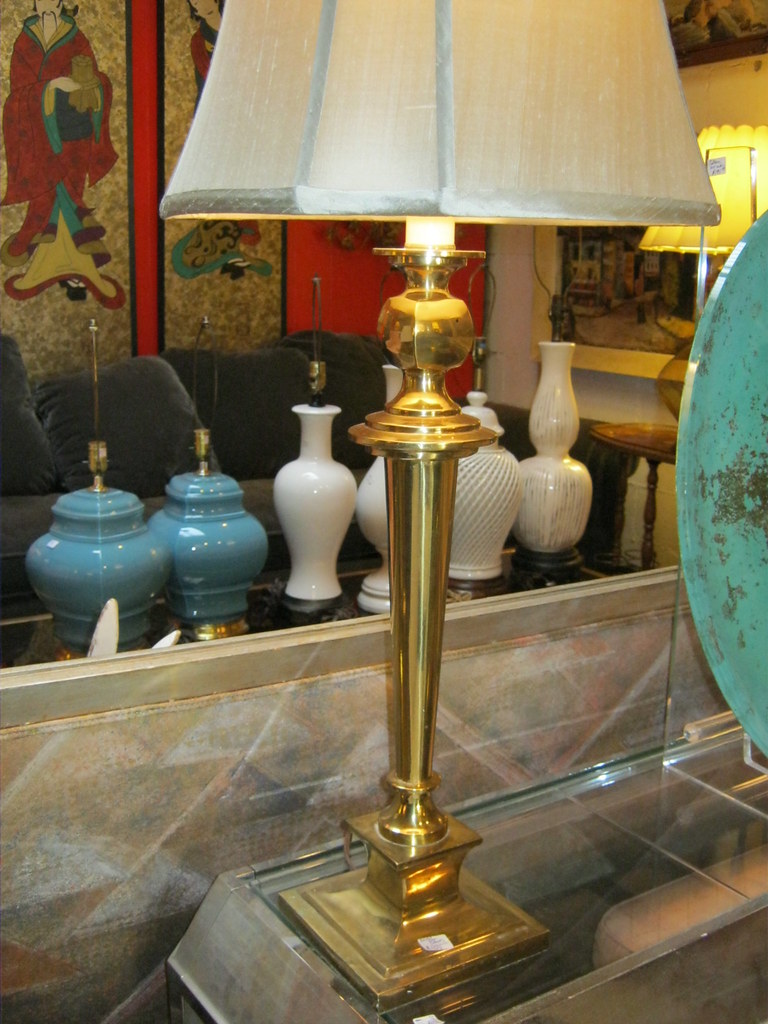
Examples of what you might find include old wooden trunks and chairs, polished brass lamps and trays, vintage spectacles, British colonial-era tools, nautical compasses and binoculars, and other items that appear to originate from the docks decades ago. Both seasoned collectors and casual shoppers can appreciate browsing these shops for nostalgic and unusual pieces.
The antique sellers are knowledgeable. The majority of them have been in the profession for many years and can tell you about the history of individual items. That level of skill is getting increasingly unusual in any buying environment.
Electronics and Gadgets
The electronics stores at Khadda Market sell mobile phones like basic handsets and smartphones as well as accessories such as phone cases, screen protectors, and chargers; USB and charging cables; wireless and wired earbuds; and other small electronic gadgets. Prices are frequently lower than in established retail outlets. Before acquiring any equipment, check the warranty and legitimacy, as counterfeit items circulate in open marketplaces. For accessories and minor products, the market offers a dependable and inexpensive source.
Household Items
Various stores offer stainless steel cookware, serving trays, plastic food containers, comforters, pillow covers, and decorative vases as well as wall hangings. Those equipping homes can find practical kitchen gadgets, affordable bedding, and unique décor pieces that cost more elsewhere.
Art Galleries
Some art galleries in and around the market feature work by local Karachi artists. For anyone looking to support local art, these galleries offer an accessible, authentic alternative to commercial galleries. The pieces range from modest, cheap prints to bigger original masterpieces.
Food in Khadda Market
No guide to Khadda Market is complete without a discussion of the food. Many visit just for the food vendors and small eateries at Khadda Market, drawn by the quality Pakistani street cuisine concentrated in one area.
Nihari booths have been functioning in the same location for decades. Karahi eateries serve freshly prepared mutton and chicken. Tea sellers serve tea in thick glassware that feels appropriate for the atmosphere. Snack sellers selling chaat, gol gappay, and samosas attract customers during the day.
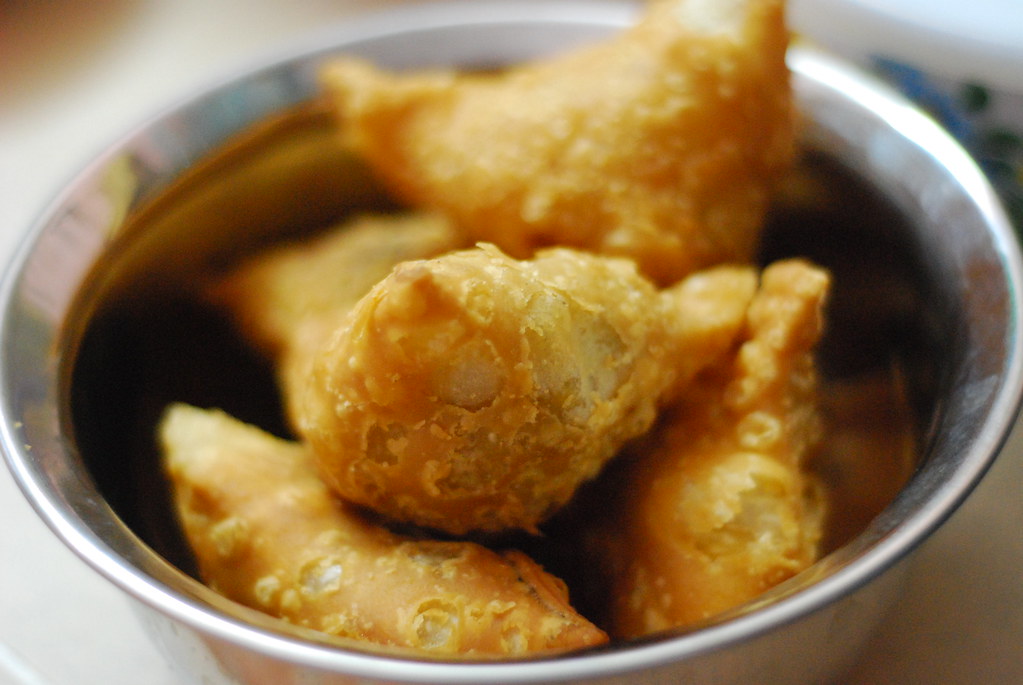
The cultural cuisine of Khadda Market reflects the diverse people who have traditionally called this place home. Different regional cuisines coexist—Sindhi, Punjabi, and Balochi influences in the cooking—resulting in a variety you wouldn’t find in a single spot anywhere else in the city.
Dining at Khadda Market is a popular reason to visit. Many frequent visitors come primarily for the food and view shopping as an additional benefit.
Critical Tips Before Your Visit
- Go in the morning or early afternoon. The market is substantially less congested before noon, especially on weekdays. You may walk more freely; the sellers are fresher and the heat is more tolerable than in peak afternoon hours.
- Bring cash. Most businesses and stalls in Khadda Market do not accept credit cards. ATMs are accessible throughout the surrounding DHA region. Having cash in hand before you come saves time and prevents the predicament of wanting something you cannot purchase.
- Wear comfy shoes. The roadways are rough in sections, and you will travel further than you expected. Sandals or flat, comfy shoes are far superior to anything with a heel.
- Bargain but be fair. Negotiation is anticipated, and sellers anticipate it. Being forceful yet courteous yields greater outcomes than aggressive negotiations. Starting at a moderate reduction from the asking price and meeting somewhere in the middle is a regularly successful strategy.
- Be aware of your possessions. As in any busy market, keep your phone and wallet safe. This is a typical precaution, not a special issue concerning Khadda Market. Holding onto your bag in congested areas is simply good practice.
- Even if you do not intend to buy anything, go to the antique department. The antique stores at Khadda Market are quite intriguing, regardless of whether you intend to buy anything. Walking with them is a free and informative tour of Karachi’s business past.
Best Time to Visit Khadda Market
The market is open 7 days a week. Each timing has a unique character.
Weekday mornings are the most suitable for leisurely perusing. Crowds are thinner. Vendors have time to speak. You may move at your own leisure while not having to navigate enormous crowds.
Weekend afternoons have the greatest vitality. The market is at its busiest and most active. If you want the full sensory experience of Khadda Market at its most vibrant, this is the time to visit. Be prepared for crowds and sluggish traffic on the lanes.
Evening visits are particularly popular for food-related activities. The food stalls are at their best in the colder evening hours, and the market takes on a new character when the shopping throng thins and the dining crowd comes.
Final Thoughts
Khadda Market in Karachi is the kind of place that does not strive to impress you. It just exists as it has for years: practical, diverse, really useful and quietly interesting if you look carefully enough.
It is worth stopping by at least once to witness a Karachi market that has not been sterilized in a mall. If you live near DHA, it is worth visiting frequently. Is it worth making a special journey if you are seeking antiques, traditional attire, or the kind of cuisine only marketplaces with decades of history can create?
If you want to submit your articles and/or research papers, please visit the Submissions page.
To stay updated with the latest jobs, CSS news, internships, scholarships, and current affairs articles, join our Community Forum!
The views and opinions expressed in this article/paper are the author’s own and do not necessarily reflect the editorial position of Paradigm Shift.

Paradigm Shift is an official staff account.