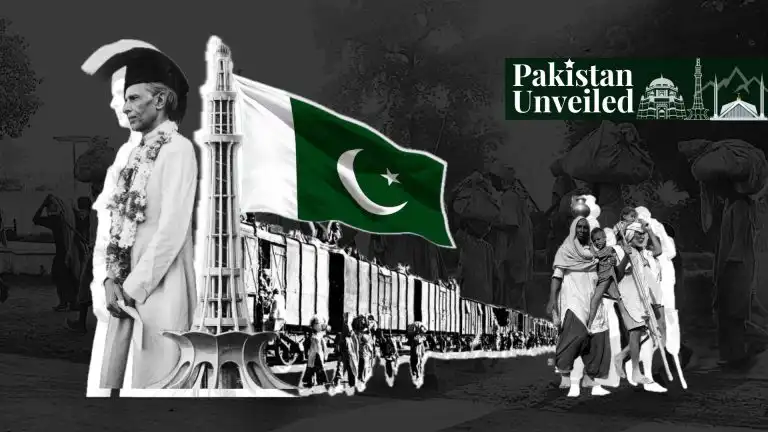
14 August marks Pakistan Independence Day, celebrating the establishment of the state as a separate and independent country in 1947, when the Muslims of British India gained their independence and the new state was created. 14 August is a day off in Pakistan, with a whole range of events dedicated to the celebration, including flag-raising ceremonies, singing the national anthem, fireworks, etc.
There is hardly any other day that would have such importance for the national identity of Pakistan as 14 August does. For 14 August is not just the date of the emergence of the state—it was the result of years and years of a political movement, and until today this day is the biggest expression of Pakistani national feeling throughout the year. Below is a guide to all you should know about the date, its meaning, and celebrations.
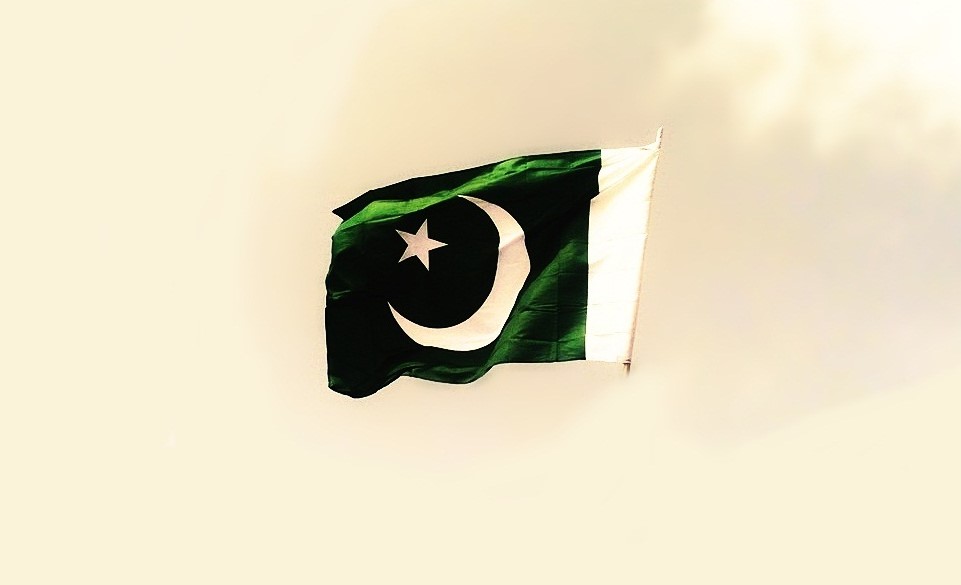
What Happened on 14 August 1947?
On 14 August 1947, Pakistan became an independent and sovereign state as a result of the partition of British India. Thus, Pakistan was formed as a homeland for Muslims of the subcontinent, while India received its independence on 15 August.
The transfer of power took place at midnight on 14/15 August according to British law, but 14 August is still celebrated as Pakistan Independence Day, mainly because it is the day of the swearing-in of Muhammad Ali Jinnah as the first Governor-General of Pakistan in Karachi. The emergence of the state resulted from decades of struggle carried out by the All-India Muslim League and had a tremendous price paid for the independence of Pakistan, which is now remembered as a tragic event in the history of the country.
A Short History of the Path to Independence
To understand what 14 August is all about, one has to look into the history of the political struggle that eventually gave rise to it.
- Late 19th century: The problem of political representation of the Muslims of British India gave birth to political organizations that represented Muslim interests under colonialism.
- 1906: Founding of the All-India Muslim League as the political organization that represented Muslims of British India.
- 1930: Presidential address by Allama Iqbal to the Muslim League suggested the idea of a Muslim state in the northwestern parts of India.
- 1940: The Lahore Resolution demanded independent states of Muslims in the northwestern and eastern areas of British India; it became the foundation of the Pakistan Movement.
- 1940s: In the wake of Muhammad Ali Jinnah’s efforts, the Muslim League started to gain momentum in politics, resulting in negotiations between the British Government and the Indian National Congress regarding the terms of independence.
- 14 August 1947: Formation of Pakistan and inauguration of Muhammad Ali Jinnah as the first Governor-General.
What Makes 14 August Important
There are multiple aspects that make Independence Day of great importance for Pakistan.
- National Sovereignty: It is the day that marks the end of British colonial domination and the emergence of Pakistan as an independent state.
- Religious and Cultural Identity: The day represents the initial idea of Pakistan as the home of Muslims from the subcontinent in which they could fulfill their own political and cultural aspirations.
- Sacrifice and Resilience: The day also stands for the human sacrifice made in the massive migration that accompanied Pakistan’s emergence.
- National Unity: Among many other things, 14 August is one of the very few occasions in Pakistan when people participate actively in national celebrations despite their religious, linguistic, and political differences.
How Is 14 August Celebrated in Pakistan?
The celebrations of Independence Day in Pakistan consist of official ceremonies conducted by the government of Pakistan and celebrations held at the individual level among the citizens of the country.
Official Ceremonies
- There is an official flag-hoisting ceremony held at the Presidency in Islamabad, where the President and Prime Minister participate. The national anthem follows the event.
- There is also a 31-gun salute in Islamabad and a 21-gun salute in provincial capitals at the time of independence.
- There are special ceremonies at the tombs of Muhammad Ali Jinnah in Karachi and Allama Iqbal in Lahore, attended by government officials and citizens of Pakistan.
- National addresses by the President and Prime Minister are delivered, which review the nation’s successes and shortcomings.
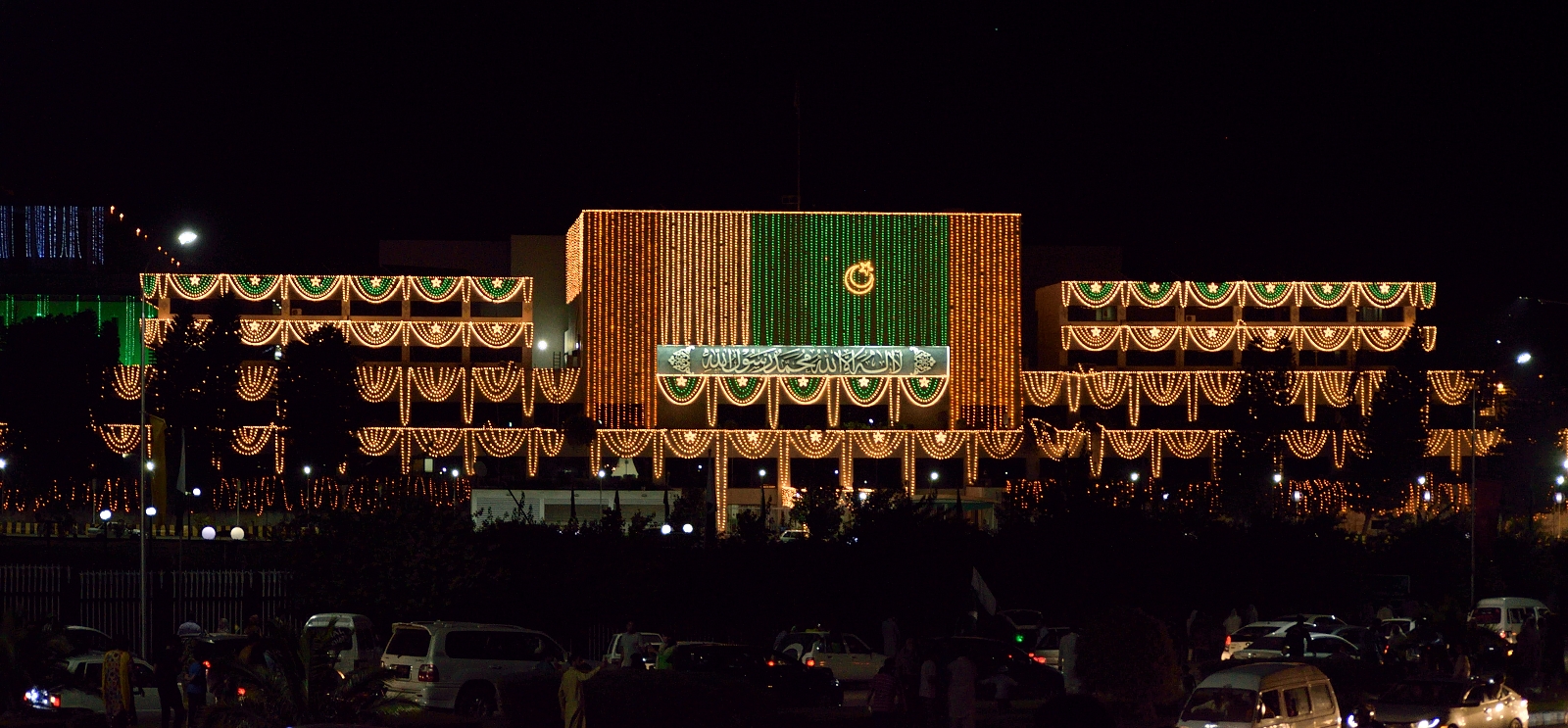
Public Celebrations
- Residences, streets, and buildings are adorned with the Pakistani flag, as well as green and white bunting and lighting.
- People wear green and white clothes on the occasion of Independence Day, since those are the colors of the flag.
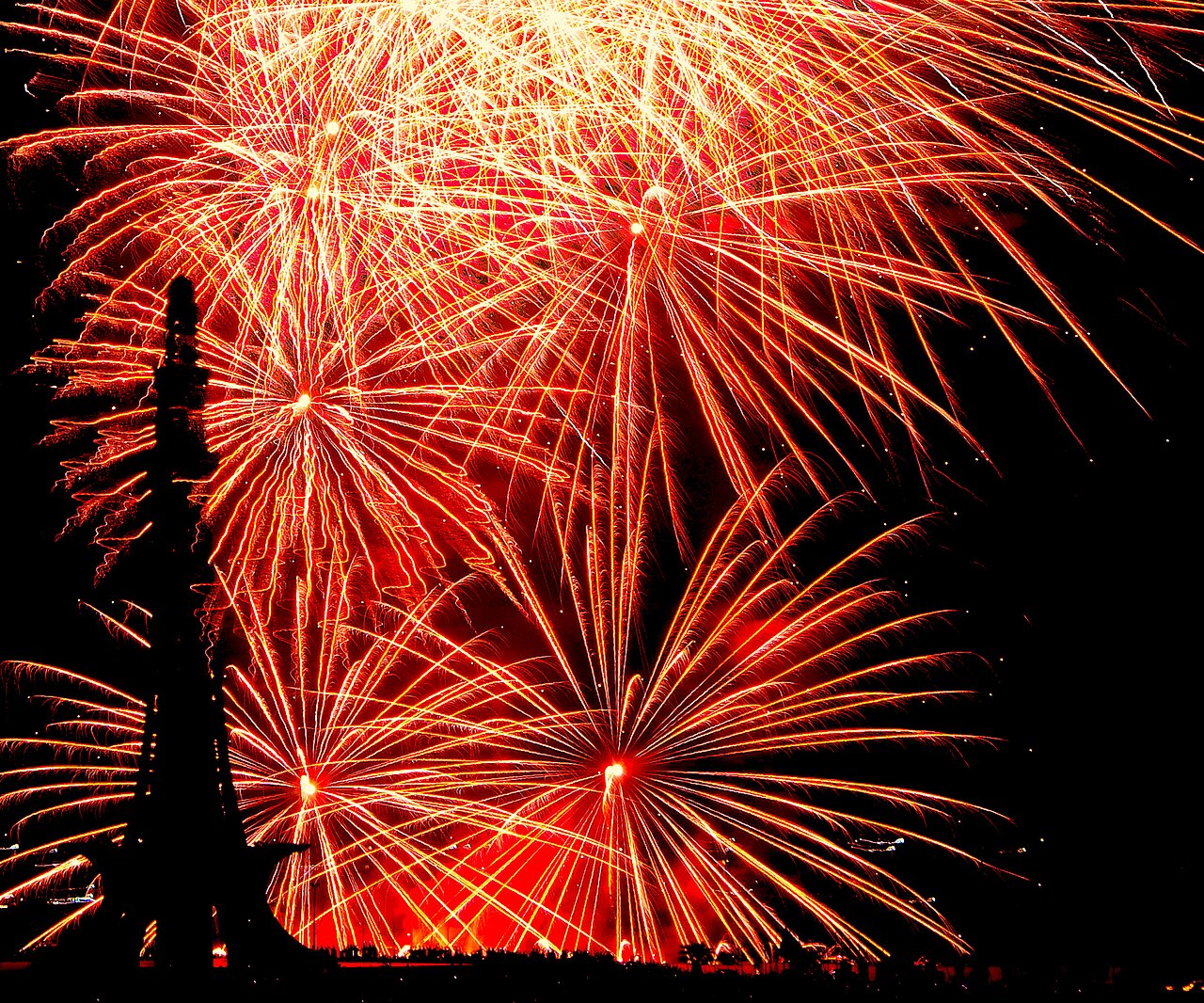
- There are fireworks shows in major cities after sunset.
- The songs called “milli naghmay” are performed on the radio, on television, and in public places during the day.
- There are car and motorbike parades held in various cities of the country.
Key Facts About 14 August
| Category | Details |
|---|---|
| Date | 14 August (annually) |
| Marks | Pakistan’s independence from British rule in 1947 |
| First Governor-General | Muhammad Ali Jinnah |
| National Colors Displayed | Green and white |
| Official Holiday Status | National public holiday |
| Key Ceremony Location | Presidency, Islamabad |
| Traditional Gun Salute | 31-gun salute (Islamabad), 21-gun salute (provincial capitals) |
| Associated Historical Event | Partition of British India |
Tips for Celebrating the 14th of August
- Join in the flag-hoisting ceremony if it is organized by your city or community since it is often open to all citizens.
- Arrange decorations early, as flags, banners, and other green-and-white decorations tend to run out fast in the days preceding the 14th.
- Enjoy a cultural program—in the evenings, many cities organize concerts and specials on TV that should be planned ahead.
- If you have an opportunity, visit some historic place like the Jinnah Mausoleum in Karachi or the Minar-e-Pakistan in Lahore.
- Follow safety precautions while using fireworks—use them only in open spaces and keep away from crowds and inflammable things.
- Think about the significance of this day, not just celebrations—for many families, it becomes the occasion to discuss the story of partition with younger members of the family.
- Buy goods from local businesses, as this day makes a high income for local shops, especially those that sell flags and other items related to patriotism.
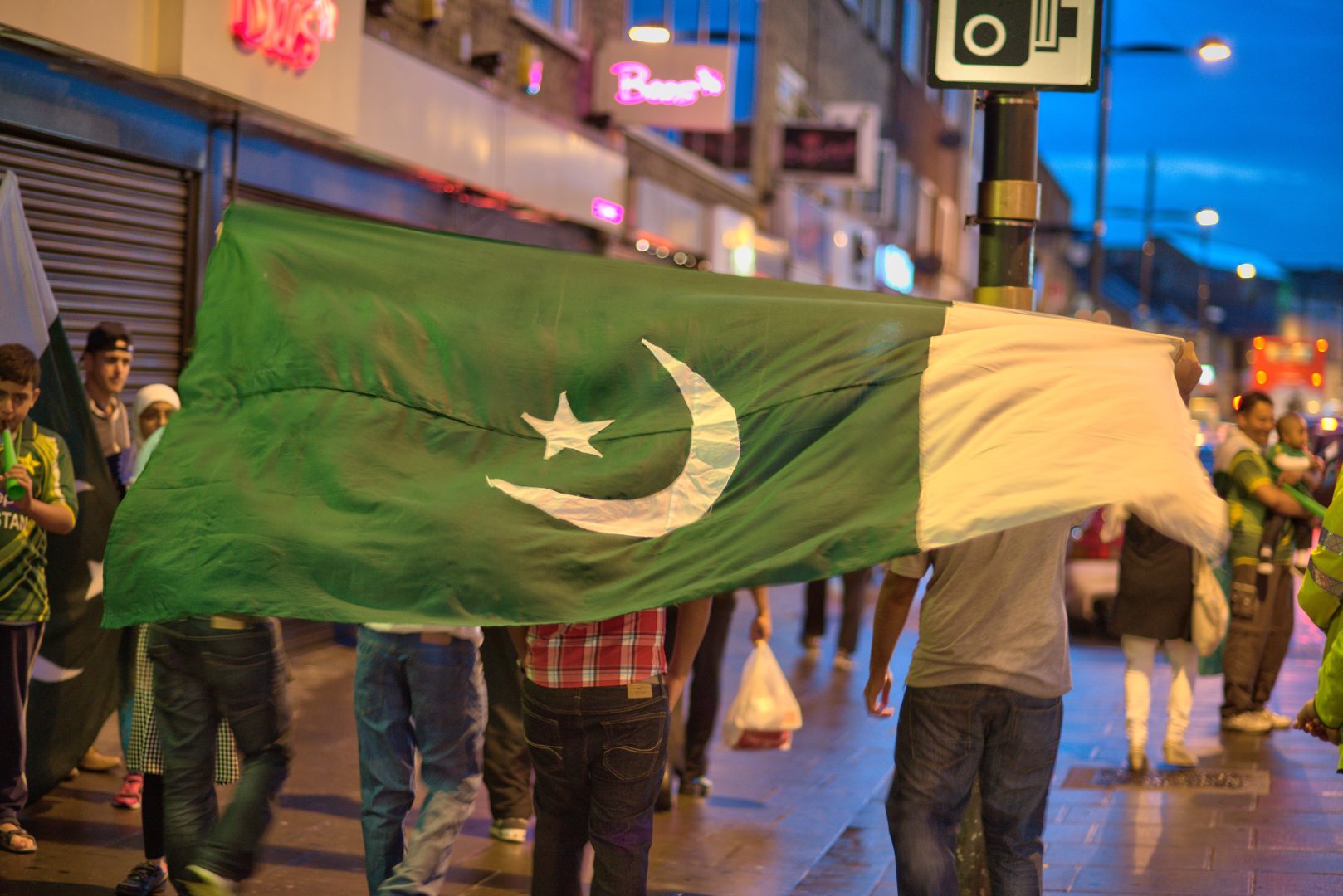
Traditions of Independence Day in Pakistan
- Displaying the national flag at homes, cars, and offices across the country.
- Using face paint and badges in green and white colors, especially popular among kids.
- Broadcasting special programs on TV, including documentaries on Pakistan’s founding and special shows with milli naghmay.
- Illumination of the buildings, as many government buildings and monuments are decorated with green and white lights during the days around the 14th of August.
- Various school and community events in the days before Independence Day, including flag-making contests, essay competitions, and patriotic programs.
Conclusion
It can be argued that 14 August is much more than a day symbolized with flags and fireworks. It is the end point of a decades-long political struggle to realize the dream of many people and the moment of great sacrifices made for the sake of a new nation, which continues to shape Pakistani identity.
FAQs
Pakistan celebrates 14 August as its Independence Day since Muhammad Ali Jinnah took oath as the Governor-General of the country on this day in 1947, despite the official transfer of power taking place on 15 August according to British law.
14 August is a national public holiday in Pakistan when all government offices, educational institutions, and most businesses remain closed.
Green and white are the colors of Pakistan’s flag, where green represents Muslims while white represents other religions of the country.
The partition resulted in dividing British India into two independent states of India and Pakistan, resulting in the mass migration of millions of people across the new borders.
Muhammad Ali Jinnah, who was a leader of the Pakistan movement and founder of the country, was Pakistan’s first governor-general after independence in 1947.
If you want to submit your articles and/or research papers, please visit the Submissions page.
To stay updated with the latest jobs, CSS news, internships, scholarships, and current affairs articles, join our Community Forum!
The views and opinions expressed in this article/paper are the author’s own and do not necessarily reflect the editorial position of Paradigm Shift.

Paradigm Shift is an official staff account.