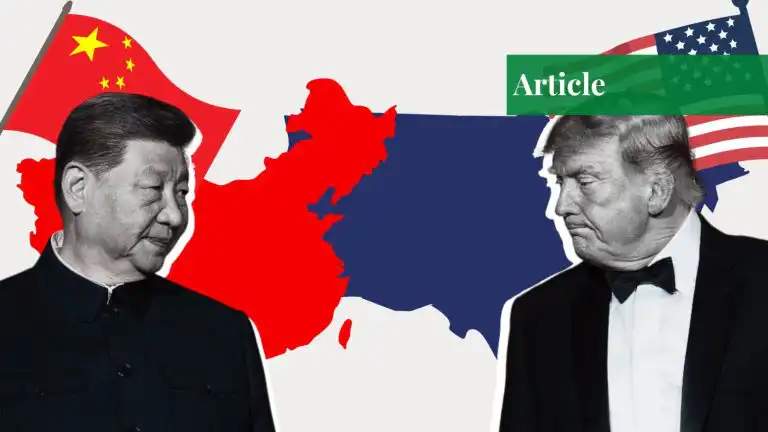
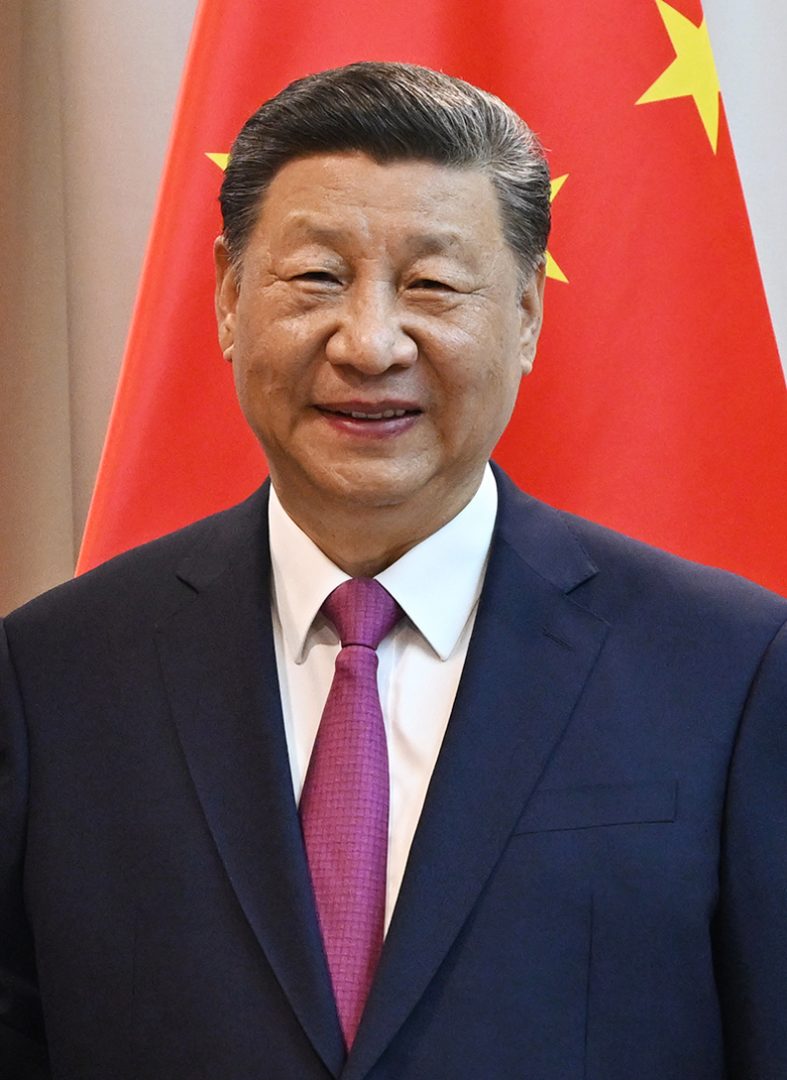
The recent summit between Chinese President Xi Jinping and US President Donald Trump captured global attention. The summit between the two global superpowers illustrated a significant paradox in international geopolitics: both sides pursue competing strategic interests, yet neither could afford a direct military confrontation. US President Donald Trump welcomed his counterpart, President Xi Jinping, on his first-ever state visit to the United States in eleven years, with considerable diplomatic warmth. However, the underlying disagreements dividing the two sides remain.
The Xi-Trump Summit: A Trade Deal Amid Strategic Rivalry
During the recent meeting between Trump and Xi, the United States and China extended their trade agreement until January 10, while issues such as artificial intelligence, technological restrictions, rare earth minerals, and the US-Iran war remained among the principal topics discussed, with no significant progress on any of them. Therefore, the Trump-Xi summit could be interpreted as the start of a new détente between the two countries. Its importance lies in the bilateral efforts to contain growing risks of military confrontation.
In the past two decades, the China-US competition has moved beyond tariffs and trade deficits. Issues like technological competition, geopolitical influence, and national security have intertwined with economic competition between the two sides. Moreover, artificial intelligence, rare earth minerals, semiconductors, and advanced technologies have emerged as strategic assets for both superpowers. However, Taiwan remains a major source of strategic tension, with developments in the Taiwan Strait carrying the risk of escalating into a military confrontation between China and the United States.
The trade war was one of the key issues discussed during this meeting. However, other contentious issues, including AI, technology, the Iran war, and the Taiwan issue, were also part of the bilateral discussions. The meeting failed to provide any framework or solution to resolve the underlying issues. Therefore, it is largely considered a symbolic summit with no clear breakthroughs on contentious issues between Beijing and Washington. The extension of the trade truce between the two sides can be considered a strategic respite rather than an end to mutual rivalry. Although underlying disagreements remain unresolved, the meeting between Xi and Trump creates diplomatic space to prevent individual disputes from compounding one another and escalating into a broader strategic crisis.
Taiwan: The Most Dangerous Flashpoint
Among the other issues, Taiwan is the greatest flashpoint, with the potential to trigger a military conflict between China and the US, while other issues could be settled through negotiations and bargaining. However, both sides know a military confrontation over the Taiwan issue would be catastrophic not only for the United States and China but also for the entire globe by disrupting global supply chains.
During the recent Xi-Trump summit, the Chinese leader urged his counterpart to oppose Taiwan’s independence, while US weapons supply and arms sales to Taiwan remained a sensitive issue. President Trump had previously halted a $14 billion arms package for Taiwan to use it as a negotiating instrument with the Chinese government. He also discussed US arms sales to Taiwan with his Chinese president, a move that sparked significant criticism within the US.
Both sides must realize that the threat of a potential military confrontation over the Taiwan issue does not lie in their mutual disagreement but in the possibility of a miscalculation by either side. Any military activity around the Taiwan Strait by either side could lead to a miscalculation triggering a military conflict. This underscores the importance of sustained diplomatic engagement, reliable communication channels, and confidence-building measures in maintaining peace and stability between the two superpowers. These channels could prevent a political disagreement from becoming a military confrontation.
Xi Jinping and Donald Trump: Managing Rivalry Through Dialogue
The personal diplomacy of the two leaders can help facilitate direct communication and manage bilateral tensions. However, it alone cannot normalize a relationship of this magnitude. Both sides could use this summit to enhance their diplomatic engagement and develop a framework for conflict prevention and confidence-building. The two sides must hold regular high-level meetings, establish diplomatic hotlines, and have military-to-military communication and structured discussions on technology to set clear guardrails and reduce the risk of miscalculation.
In the modern era, technology has emerged as an economic opportunity, a potential source of new risks, and a national security capability. Artificial intelligence offers an incentive for mutual cooperation. The two sides can collaborate to establish common policy frameworks for AI safety, including shared definitions, basic safety practices, and incident-reporting channels. However, AI also presents a significant obstacle to sustained cooperation between Beijing and Washington. Both nations compete over global technological superiority and influence.
US-China Competition: From Rare Earth to AI Governance
While the US is advancing its international initiatives, China has already established the World AI Cooperation (WAICO). This signals an emerging contest between the two sides over institutional influence, technological standards, and the future of AI governance. The same logic is also applicable to trade and rare earth minerals. Indeed, pacts and agreements to reduce immediate tensions can lead to future negotiations and diplomatic engagements. However, an underlying framework is necessary for clear rules and mechanisms to address and resolve future conflicts and disputes.
If you want to submit your articles and/or research papers, please visit the Submissions page.
To stay updated with the latest jobs, CSS news, internships, scholarships, and current affairs articles, join our Community Forum!
Find our FREE quizzes and MCQs here!
The views and opinions expressed in this article/paper are the author’s own and do not necessarily reflect the editorial position of Paradigm Shift.

Muhammad Hamza Tanveer is a political analyst specialising in South Asian and Middle Eastern affairs. His work focuses on religious nationalism, regional security, and minority rights. He has been featured in Stratheia, Pakistan Today, Pakistan Observer, and the Asian Mirror. He is also working as a research analyst and political commentator for Paradigm Shift and contributes to the monthly magazine of Nearpeer.