Introduction
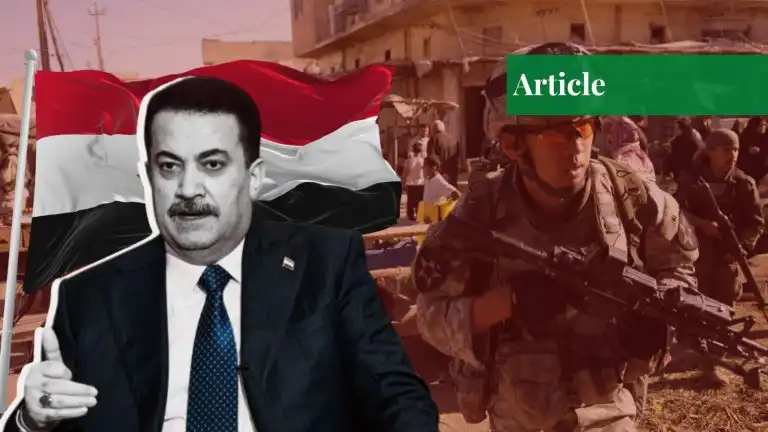
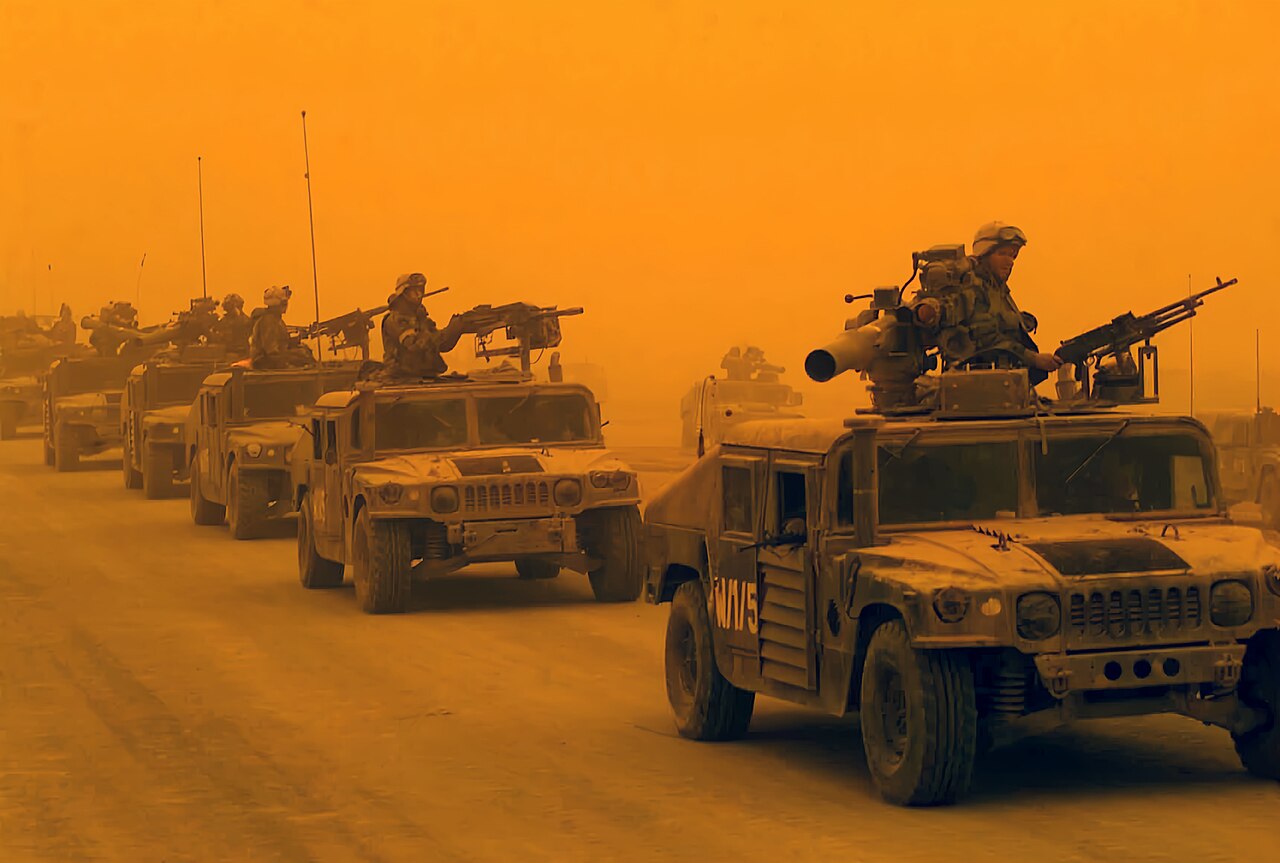
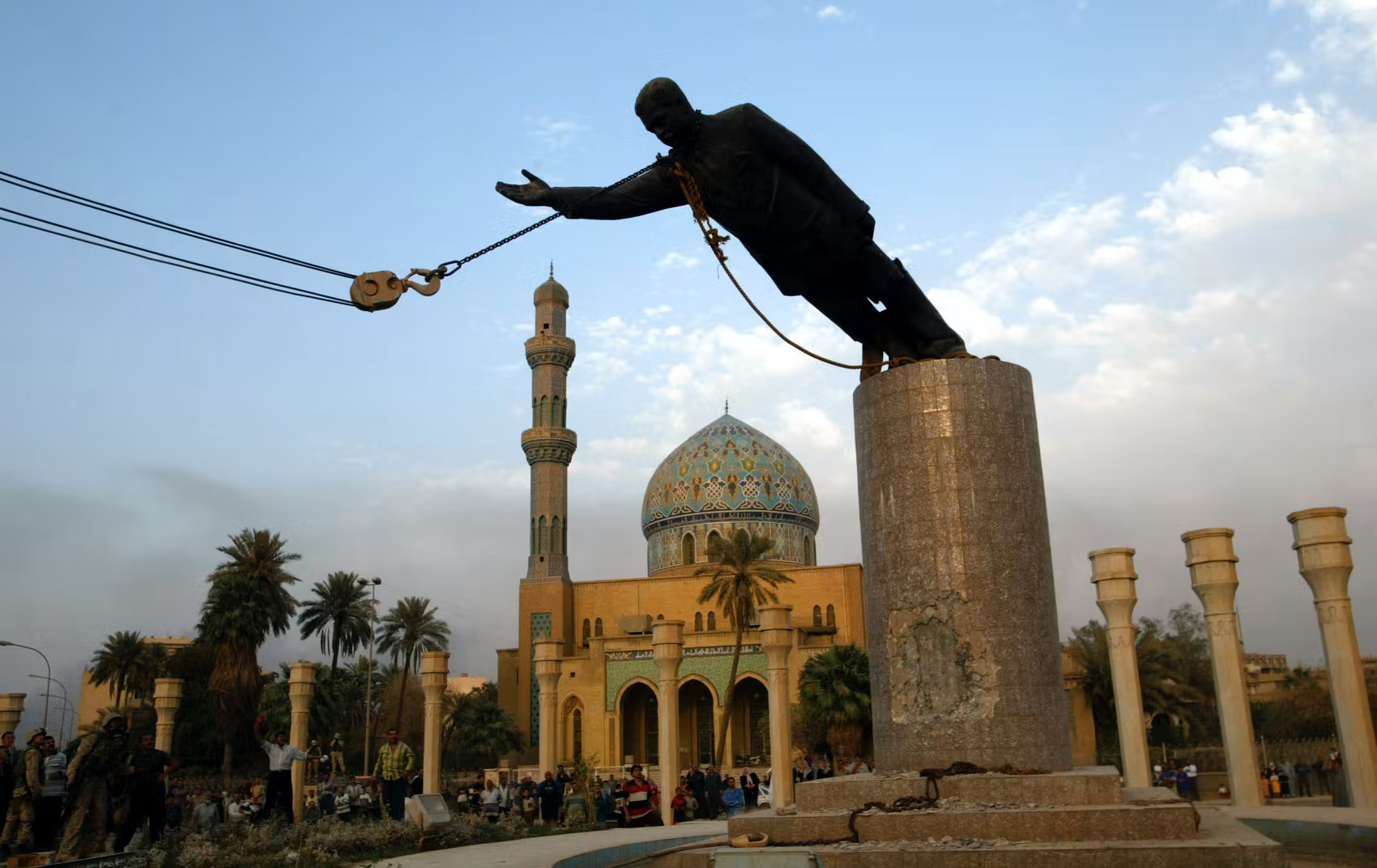
In 2008, the United States and Iraq signed the Status of Forces Agreement (SOFA) to end the 5-year conflict. According to the SOFA, the US will withdraw its forces from Iraq and will provide economic aid for the rebuilding of conflict areas. Also, the US will remove sanctions from Iraq and promote peace-building initiatives. However, despite the military withdrawal, Iraq’s structural problems like sectarian division, weak governance, and instability were not resolved because the impacts of war were so great that even a peace treaty could not resolve those issues. Till now, Iraq has been unstable and is facing difficulties in administering the state.
Like SOFA, the US has signed a Memorandum of Understanding known as the Islamabad Memorandum of Understanding (IMOU). It has 14 points, some of which are similar to the SOFA. It says that the US will withdraw its military and remove all the sanctions from Iran. Also, it says that economic aid of $300 billion will be given to Iran from the Gulf states. Analyzing the historical SOFA, this opinion will let you know about the possible consequences of this memorandum.
Lessons From SOFA for Islamabad MoU
Security Vacuum and the Rise of ISIS
After the SOFA agreement, US forces withdrew in 2011, leaving Iraq in a deteriorated state. Iraq’s government institutions were weak at that time, and there was no clear administration. Although the US trained Iraqi forces, they were still fragmented and were unable to maintain stability in the state. Due to these administrative weaknesses between 2013 and 2014, a terrorist organization known as the Islamic State of Iraq and Syria (ISIS) emerged and maintained its dominance by exploiting the existing weaknesses. In 2014, they captured Mosul, which caused the collapse of northern Iraq.
This highlights that military withdrawal after a prolonged conflict can create a security vacuum, which can simultaneously give an opportunity to terrorist organizations to rise. One possible scenario in Iran is that regional tensions may occur between the Sistan-Balochistan border of Pakistan and Iran, where Jaish al-Adl is still active.
Rise of Proxies and External Influence
After 2011, Iraq was still not fully independent, as it depended on foreign aid for reconstruction. Also, there was an increasing influence of Iran on Iraq through the Shia majority parties like the Popular Mobilization Forces (PMF). These forces played an important role during the fight against ISIS but also caused long-term sovereignty concerns for Iraq, as they gave rise to Shia-Sunni conflicts in Iraq. At the same time, there were US peacekeeping forces in Iraq, which created Iraq as a playground for US-Iran competition.
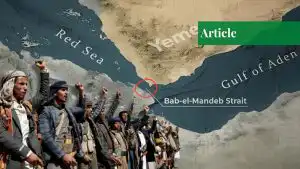
During the US-Iran conflict, proxies like Hezbollah, Hamas, and Houthis have achieved significant influence in the Middle East. Along with this, the United States has now appointed Gulf states to provide Iran with economic aid of $300B. By doing this, the US has involved Gulf states to interfere in Iran; even if a memorandum or an unfeasible deal is signed, then this interference will harm the sovereignty of Iran in the future.
Oil Wealth and Public Welfare
The post-war era in Iraq witnessed a rise in oil revenue. A major challenge for Iraq was to manage the oil revenues, which were difficult for the weak administration of Iraq. As a result, there was a rise in corruption in governmental institutions, which further weakened public trust. Despite having enough resources and foreign aid, reconstruction remained uneven and underdeveloped.
In Iran’s case, even if sanctions relief or economic reintegration increases state revenues or oil market access, the Iraqi experience suggests that economic gains may not automatically improve public welfare unless accompanied by strong institutional reform and equitable distribution systems.
Spillover Effects
Due to the 5-year US-Iraq conflict, there was a spillover effect in the whole region, which has had further consequences on international politics. After the US withdrawal, due to weak administration and unequal distribution of wealth, many terrorist organizations like ISIS rose as transnational organizations. They conducted attacks in different areas of the world, including Europe and America. Due to the conflict, many Iraqis were displaced, and the neighboring states like Syria, Lebanon, Jordan, and Turkey faced a refugee crisis, which deteriorated their economic balance. Instability in one state can cause spillover effects in neighboring areas, and sometimes it can have international impacts.
For Iran, even if the Islamabad MoU reduces confrontation, the Iraqi experience suggests that any regional tension can still create spillover effects through migration pressures and cross-border security concerns across the Middle East.
Conclusion
There are possibilities that this memorandum will not bring any fruitful results. Due to this deal, Trump has again gained popularity throughout the world. Midterm elections in America are also near; it is possible that after the midterm, the USA will again violate the deal. The United States of America has signaled to Syria to handle Hezbollah; if any escalations happen due to proxies, war can start again within two months. According to the vice president of the US, “The Iran deal comes with a familiar false promise.” His statement can come true if Iran, after having the economic aid, violates the deal. So, there are possibilities of violation from both parties, as it has happened many times in this conflict. Also, from the past analysis of the SOFA agreement between the US and Iraq, one can analyze that ending the war doesn’t end conflicts; rather, it gives rise to many minor issues that have long-term regional and international consequences.
If you want to submit your articles and/or research papers, please visit the Submissions page.
To stay updated with the latest jobs, CSS news, internships, scholarships, and current affairs articles, join our Community Forum!
The views and opinions expressed in this article/paper are the author’s own and do not necessarily reflect the editorial position of Paradigm Shift.

Syeda Farani Fatima is an undergraduate student of International Relations at the International Islamic University of Islamabad, with a strong interest in anti-corruption, counter-terrorism and geopolitics. Strongly committed to fighting corruption, terrorism, and supporting national reform through research and public service.