A Crisis Years in the Making
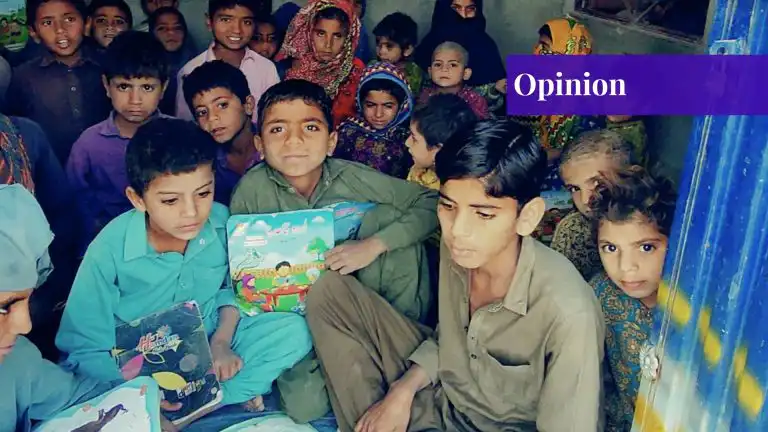
Across Punjab’s nine boards, more than 750,000 Class 9 students failed their exams in 2026, a pass rate of just 45.98 percent. In Lahore, the province’s flagship board, more than half of all ninth graders failed. In Peshawar, the picture was worse still, with nearly six in ten ninth graders left unsuccessful. These numbers are not simply about one bad exam season. They are the clearest evidence yet of a crisis that began long before 2026 and long before COVID-19 ever closed a classroom door. Pakistan’s classrooms were already struggling. Millions of children were not enrolled at all, and even those who attended often left without basic reading or math skills. COVID-19 did not create this crisis. It exposed one that already existed and made it impossible to look away from.
The System Was Already Failing
Pakistan entered the pandemic with a system that was already struggling to serve its children fairly. The ASER study, conducted by Idara-e-Taleem-o-Aagahi with UNICEF support, had long shown that a large share of children between five and sixteen were not attending school at all and that many of those who were enrolled could not read simple sentences or solve basic sums. Rich and poor households, cities and villages, boys and girls, and government and private schools all experienced education very differently. COVID did not invent these gaps. It simply made them far harder to ignore.
What the Numbers Show
This is where the evidence becomes hard to argue with. The learning loss report, also from ASER, found that school closures directly affected close to forty million learners across the country, from the earliest years of school through to college. The share of children able to read a simple Urdu story had been rising steadily before the pandemic, climbing from fifteen percent in 2015 to twenty-four percent in 2019, but it fell back to twenty-two percent by 2021. A similar pattern appeared in basic math. Pakistan did not simply lose a school year. It lost ground that had taken years to build.
The Digital Divide
During the lockdown, many parents handed their children smartphones so they could join online classes. But the very same screen that carried a lesson also carried TikTok, YouTube, games, and endless social media. Millions of families never had reliable internet or a spare device at home in the first place, so the digital shift helped some children and left others further behind. The real problem was not the smartphone itself. It was that students were given a powerful tool without the guidance, supervision, or infrastructure needed to use it well.
The Board Results Tell the Story
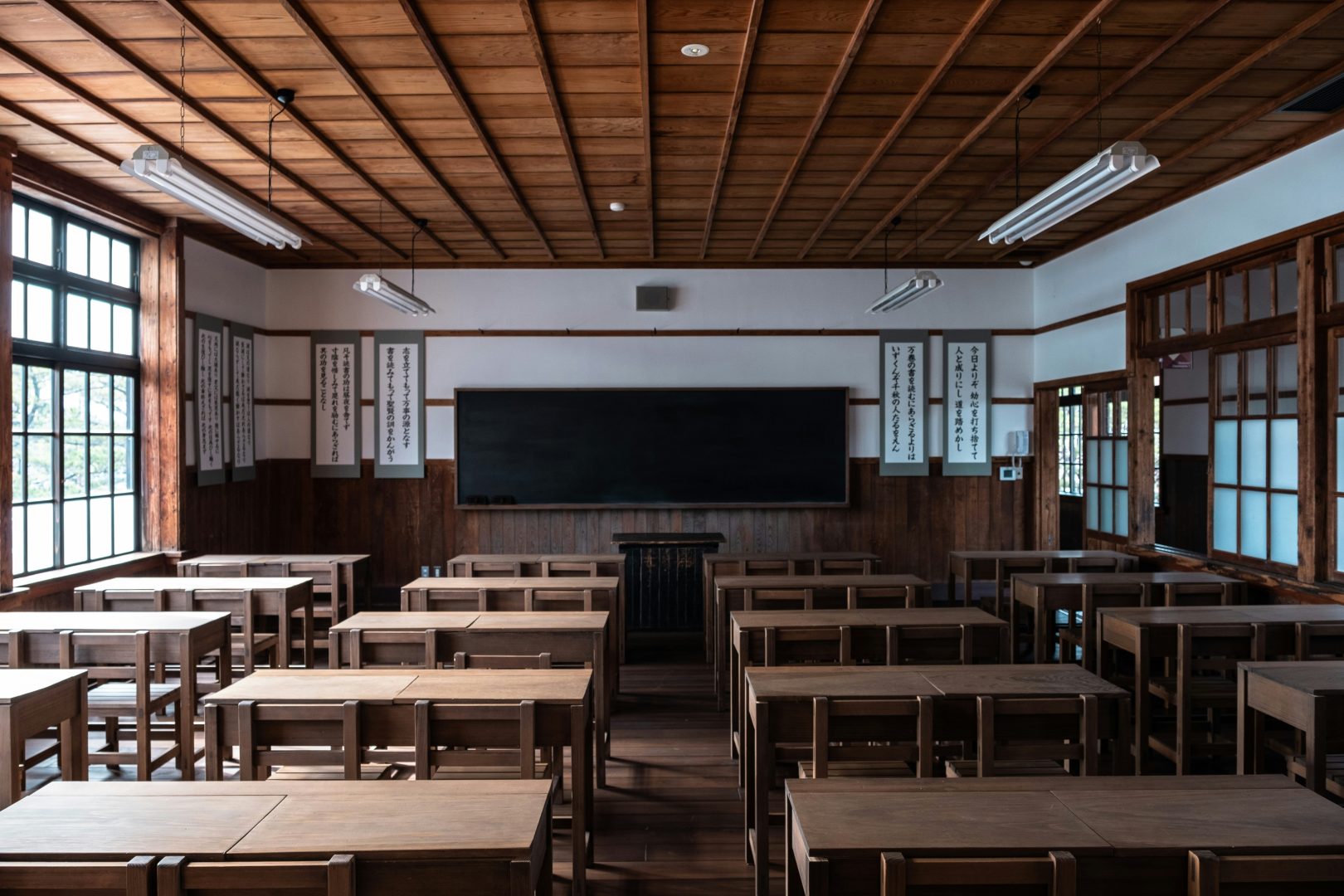
The clearest sign that something went wrong is now visible in board results. In the 2025 Lahore Board gazette, more than three hundred thousand Class 9 students sat the exam, yet only 138,894 passed, a pass rate of just 45 per cent. Boys did far worse than girls, and humanities students did worse than science students. Across Punjab’s nine boards, several recorded pass rates below fifty percent, including Bahawalpur at just over forty-three percent. Before asking why fewer students reach college and university, it may be worth asking a simpler question first. How many students are actually making it through secondary school at all?
Beyond Punjab
This is not only a Punjab problem. In August 2026, the Peshawar Board results showed that around thirty per cent of Class 10 students and nearly sixty per cent of Class 9 students had failed. More than fifty-seven thousand ninth graders who failed at least one subject were still promoted to the next grade, carrying their unfinished work forward with them. The harder question is not simply why so many students failed. It is what happens to a student who moves from grade to grade while still owing subjects from years before, and whether the system is really preparing them for what comes next.
A Broken Chain
Education works like a chain, running from primary school through middle school, matric, intermediate, university, and finally employment. If large numbers of students fall away at any single link in that chain, fewer reach the end of it. Failure in secondary school, family financial pressure, rising competition, and uncertainty about jobs all push students out along the way. Pakistan’s declining university enrollment cannot be understood only by looking at universities. Its roots often lie years earlier, in classrooms where students never gained the skills to move forward with confidence.
Paying More, Trusting Less
At the same time, education has become harder to afford just as its value has become harder to trust. Tuition, transport, books, technology, and accommodation all add up for families who are already stretched thin, while many graduates around them struggle to find suitable work. According to the Economic Survey 2025 26, Pakistan’s public spending on education fell to just 0.8 percent of GDP in the last financial year, well below the four to six percent recommended internationally. When the cost of a degree keeps rising while its promise of a stable job keeps shrinking, families are left asking a fair question. Why spend so much for so little certainty?
The AI Question
Artificial intelligence has entered classrooms whether Pakistan is ready or not. Used well, it can help students understand difficult topics, translate material, and learn at their own pace, while teachers use it to prepare lessons and give faster feedback. Used carelessly, it can encourage students to submit work they did not really do, weaken independent thinking, and make dishonesty harder to catch. Pretending artificial intelligence does not exist in Pakistani classrooms will not make it disappear. What the country needs instead are clear rules for how it should and should not be used.
Why Graduates Are Leaving
The pandemic also pushed many young Pakistanis toward freelancing, online trading and small digital businesses, a genuine and welcome shift. But alongside it sits a harder truth. Graduates who cannot find suitable work at home increasingly look abroad, and Pakistan loses part of the human capital it spent years building. Not everyone who leaves is part of a dramatic brain drain. Many simply migrate for ordinary wage work because opportunities at home are limited. Either way, every departure is a quiet signal that the system did not offer enough reason to stay.
What Is Education For?
Underneath all of this sits a deeper question that Pakistan has not properly answered. Is education meant only to help a student pass an exam and collect a certificate? Or should it build thinking skills, practical ability, and a genuine path toward work and opportunity? The most serious problem to emerge after COVID is not only that students learned less than before. It is that growing numbers of them are no longer sure why they are studying at all or what it will actually lead to.
The Way Forward
None of this is beyond repair. Pakistan needs regular assessments that measure what students have actually learned, not simply whether they turned up. It needs targeted recovery programs in reading, writing, and math for students who fall behind; exams that test understanding rather than memory; and clear guidance on using artificial intelligence responsibly. Education spending needs to rise, not fall further, and universities need stronger links with industry so that a degree leads somewhere real. Above all, Pakistan needs an economy that gives its most talented young people a reason to build their future at home rather than elsewhere. COVID did not destroy Pakistan’s education system. It simply switched on the lights in a room that had been dark for a long time. What the country does with that light now will decide everything that follows.
If you want to submit your articles and/or research papers, please visit the Submissions page.
To stay updated with the latest jobs, CSS news, internships, scholarships, and current affairs articles, join our Community Forum!
The views and opinions expressed in this article/paper are the author’s own and do not necessarily reflect the editorial position of Paradigm Shift.

Azhar Ud Din is a student of international relations at Government College University, Lahore.