Sportswashing is a common tool used by governments or authoritarian regimes to improve their global image while diverting attention from controversies and human rights abuses. The term was first used in 2015 to describe Azerbaijan’s use of the European Games; however, it became prominent when Amnesty International linked it to the major sports events, Sochi 2014 and the 2018 World Cup in Russia. Although the terminology has come into the light recently, the strategy has existed long before it. Throughout history, from the Berlin Olympics in 1936 to contemporary FIFA World Cups, sports have been used by governments to strengthen their image, promote legitimacy, and use them as tools of distraction from misconduct. This article explores the evolution of sportswashing and how it is weaponised to create political influence and shape international perception.
What Is Sportswashing?
Sportswashing is the strategic use of sports by individuals, corporations, governments, or groups to sanitise their crimes while staging an event to boost credibility, enhance global reputation, and hide wrongdoing. The term was coined in 2015 by combining two words, “sports” and “whitewashing.” The core purpose of sportswashing is to redirect public attention. It exploits positive sports emotions to distract from negative publicity. The key performers of this concept are authoritarian states like Qatar and Saudi Arabia, Western regimes like Germany and the USA, and major climate-unfriendly commercial companies.
Nazi Germany 1936: The Prototype
The foremost example of sportswashing can be traced back to the 1936 Berlin Olympics. This model later influenced major sports events. Before the Olympics started, the Nazi government temporarily removed anti-Jewish signs and discriminated politically against Jews to improve its image in the global arena. Helene Mayer, the only Jewish woman, was allowed to participate in the German team and was used as a symbolic inclusion to counter accusations.
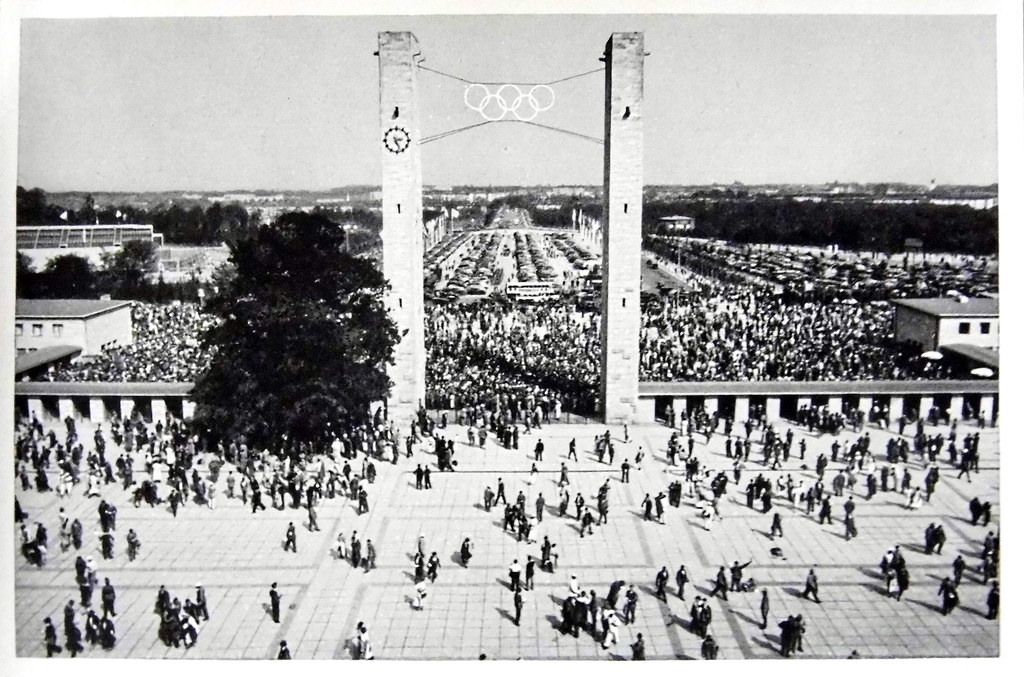
Moreover, Germany won most of the medals, which further improved its image internationally. The event got widespread global praise and a favourable international perception. The New York Times quotes it as “the biggest athletic games ever held.” Hence, the propaganda succeeded for a short period of time, and later it exposed its true nature as persecution intensified after the Games. It introduced more aggressive policies and later invaded Poland in 1939.
Qatar’s 2022 World Cup and the Politics of Sportswashing
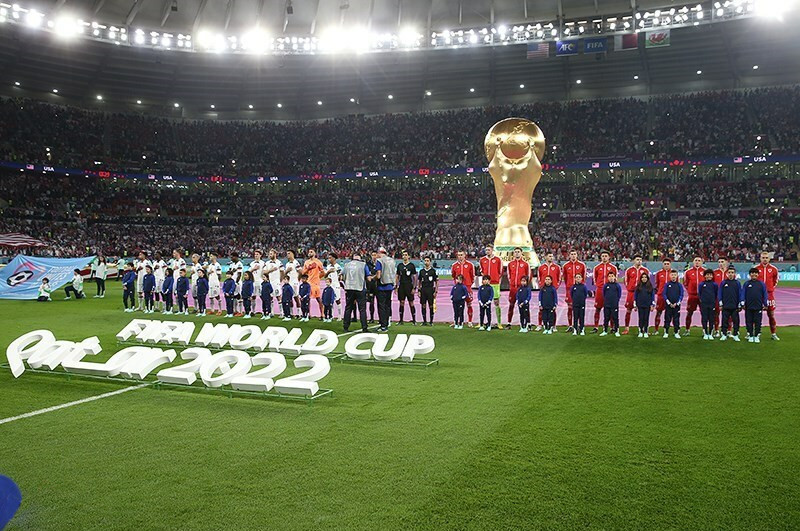
The 2022 FIFA World Cup in Qatar is the most recent and prominent example of sportswashing by authoritarian states to project soft power and legitimise their crimes. Qatar’s hosting of the 2020 FIFA World Cup was not just a show of symbolic progress but a means to draw attention to migrant workers and harsh working conditions for labourers. It uses several strategies to divert attention, such as lavish productions and cultural narratives, to strengthen its reputation. As per statistics, 400–500 migrant workers died on projects for the tournament. 6,500 South Asian workers have died in dangerous jobs since 2010, and in India, Bangladesh, Nepal, and Sri Lanka, deaths: 5,927 (2011-2020); Pakistani workers’ deaths: 824 (2010-2020).
The 2026 World Cup and Sportswashing in the United States
Historically, sportswashing has been used by authoritarian regimes, but in 2026, the FIFA World Cup raises the question of sportswashing in the Western political system. Trump’s violations have drawn criticism and debate worldwide about whether the USA will improve its image through the World Cup. The Trump administration has been riddled with dubious immigration policies, military intervention, and international relations, such as the ICE deportation campaign, deporting 675,000+ people, and military strikes in 7 countries.
Similarly, an important incident received global attention when the USA denied a visa to Somali referee Omar Abdulkadir Artan, citing security concerns, despite him having been selected to officiate at the World Cup. Moreover, the restriction on some Iranian sportspersons raises concerns about immigrant politics and challenges the idea of the political neutrality of sports.
Visa Pressure on Teams
The 2026 FIFA World Cup demonstrates how political and immigration policies impact low-ranked teams differently. For instance, teams from Iran and Iraq have faced challenges during visa checks and tournament arrangements. For immigration and security reasons, the Iranian team had to return to Mexico after its matches in the USA. Likewise, Iraqi personnel and staff experienced additional visa checks and procedures. These examples raise concerns about whether international sports are completely neutral and free from political influences.
The Draw and Competitive Fairness
The group-stage selection process appears to be random at first, but it is regulated by FIFA’s rules. FIFA applies seeded pots and specific placement rules to decide the allocation of teams into the groups. Therefore, the draw is systemically controlled and organised rather than based on complete chance. Although the rules are intended to maintain balance and ensure fairness among the teams, they also determine the outcome of the final draw.
Why the Three Host Model Matters
FIFA selected the USA, Canada, and Mexico as host countries for the 2026 FIFA World Cup. The reason for choosing these countries was to have modern infrastructure, stadiums, and the facilities required to host a World Cup. However, political factors present a different perspective. It underscores that the USA uses this World Cup to improve its global reputation and diverts global attention from its political issues. In addition, Mexico’s rich football tradition adds authenticity and cultural significance to the tournament.
The Double Standard Exposed
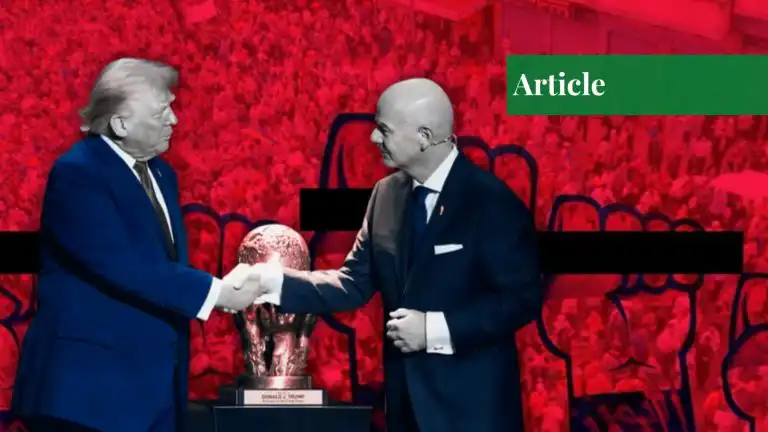
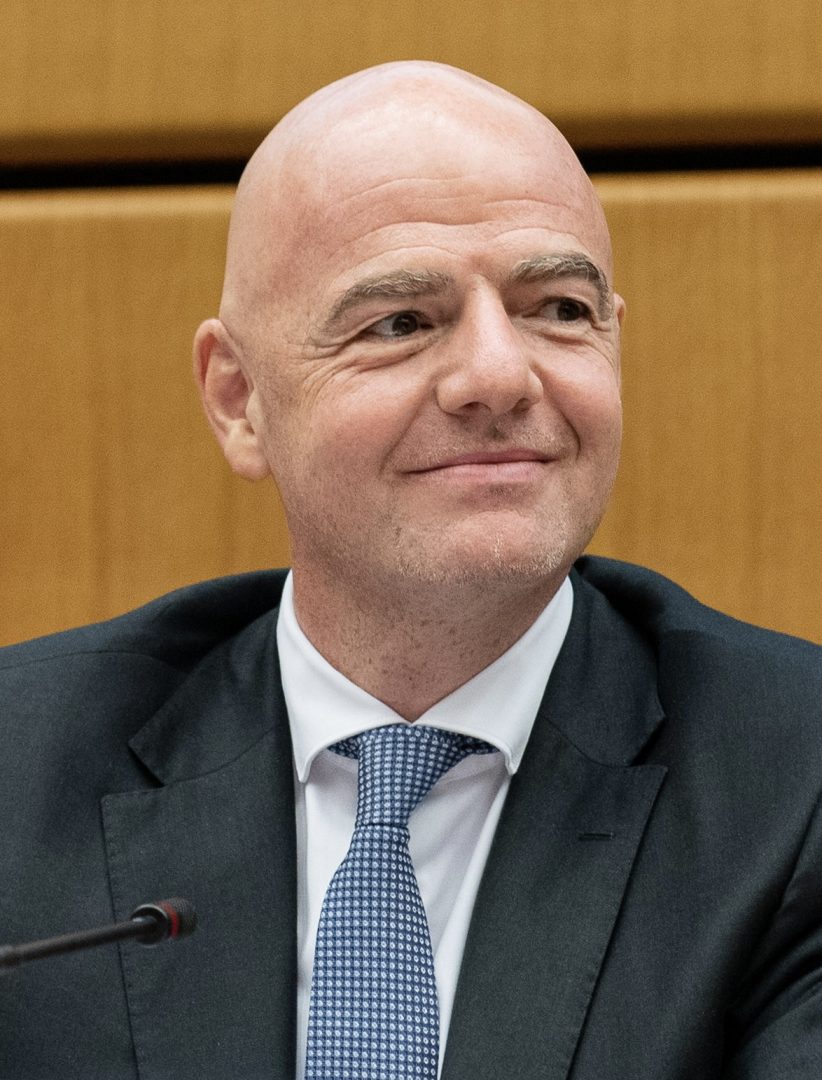
Further, we can see the gap between reality and promises; the 2018 World Cup bid promised to provide social inclusion and environmental sustainability, but reality reflects a much different story. The recent immigrant policies and actions have contradicted inclusion and equality. Moreover, the closeness of FIFA leaders and political figures also raises concerns about accountability and fairness. For example, FIFA President Gianni Infantino, Trump’s close friend, awarded him the FIFA Peace Prize in 2025. Apart from that, media coverage shows biased preferences. On the FIFA World Cup in Qatar, heavy media coverage was seen; however, silence in the 2026 FIFA World Cup hosted by the USA.
Why the FIFA World Cup Is a Tool of Sportswashing
FIFA is the ideal platform for sportswashing for particular reasons:
Worldwide Reach Without Borders
FIFA is the most widely watched sport in the world, attracting billions of views across different regions. Alone, the final match of the 2022 World Cup grabbed 1.5 billion views. No sport has this large a reach across different regions, cultures, and languages. This reach has made the host state a centre of global engagement, which hides different controversies of the state.
The Myth of Political Neutrality
Another prevailing idea is that sport stands above politics and ideology. However, it is not completely true. This illusion is fake and carries political meaning. When FIFA President Infantino awarded Trump the Peace Prize, this act enhanced his public standing and legitimacy. Hence, this helps to reflect and promote the narrative of neutrality in football, distancing the government from controversies.
Sports: The Amplification of Nationalism
The FIFA World Cup strengthens national unity and patriotism, presenting a collective expression and identity among citizens. When a particular leader portrays successful sports hosting as a symbol of pride and national accomplishment, they get wider public support in the name of nationalism. As Trump uses this formula by associating America with the World Cup, it is equal to pride. Similarly, Nazi Germany had used it before by referring to medals as national strength and justifying its regime.
Financial Incentives for Silence
The 2026 FIFA World Cup tournament is estimated to have around $11 billion in investment in infrastructure, commercial sponsorship, and tourism. This billion-dollar economic investment overshadows the criticism. Moreover, global commercial companies that heavily spend on sponsorship also avoid the negative publicity amid a huge economic flow. This collective economic benefit creates a chain of silence that ignores human rights and their violations.
The Halo Effect: The Power of Positive Association
The halo effect (sometimes called the halo error), a term coined by Edward Thorndike, is the tendency for positive impressions of a person, company, country, brand, or product in one area to positively influence one’s opinion or feelings of a person, company, country, brand, or product in another area. One of these halo-effect examples can be seen in the 2022 Qatar FIFA World Cup. Despite violations of labour rights, Qatar improved 23% of its global standing.
Conclusion
In a nutshell, the short and politics are not to be separated or neutral. Sports are often used to portray, hide, and promote political means to enhance a country’s image and divert attention from illegal and inhuman activities. Sportswashing is not new; it has a long history, and as long as sports remain a powerful tool for legitimacy, sportswashing continues to evolve.
If you want to submit your articles and/or research papers, please visit the Submissions page.
To stay updated with the latest jobs, CSS news, internships, scholarships, and current affairs articles, join our Community Forum!
The views and opinions expressed in this article/paper are the author’s own and do not necessarily reflect the editorial position of Paradigm Shift.

Mahnoor Gujjar is a student of English literature and linguistics at the National University of Modern Languages (NUML), Hyderabad Campus.