The Tianjin Summit: A New Era Begins
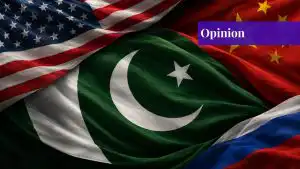
From August 31 to September 1, the Shanghai Cooperation Organization’s 2025 summit was conducted in China. Leaders from more than 20 countries and heads of 10 international organizations participated in the Tianjin Summit, depicting the growing popularity of the Eastern bloc. The success of the summit marks a diplomatic victory for China in the emerging multipolar world order. It shows how the Eastern bloc is succeeding in shaping the new world order, hastening the decline of the US-led unipolar world order.
The organization, founded in 2001, was known as the “Shanghai Five” as it stemmed from a coalition of China, Russia, Kyrgyzstan, Kazakhstan, and Tajikistan. The key purpose of the SCO was to stabilize the borders of Central Asia in the post-Soviet era. Over time, the organization has expanded into a significant coalition of developing countries, with China and Russia playing a leading role. It now includes China, Russia, India, Pakistan, Belarus, Iran, Kyrgyzstan, Kazakhstan, Tajikistan, and Uzbekistan as its members.
Growing Influence and Strategic Partnerships
Collectively, the SCO members account for 43 percent of the global population and 30 percent of global GDP. It seeks to strengthen and promote cordial relations among the member states, strengthen mutual trust, and counter the evils of extremism, separatism, and terrorism. This extensive outreach of the organization’s potential as an influential force in the rising multipolar world order. Erstwhile, the Western media and leadership criticized and mocked the organization due to frictions among the member states. However, the recent SCO summit in China has stunned the Western leadership.
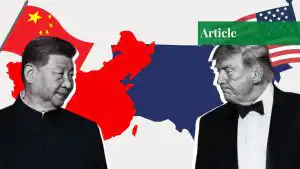
U.S. President Donald Trump seeks to become the most influential global leader. However, President Xi has undermined Trump’s global ambitions by gathering a significant number of nations, including three nuclear powers, in this summit. Since his re-election, President Trump has been acting imprudently towards the US trade partners. He imposed punitive tariffs on allies following a sovereign and independent foreign policy, undermining US global interests. He imposed 50 percent tariffs on India due to the latter’s oil purchase from Russia. Apparently, the Trump administration sought to exert economic and diplomatic pressure on New Delhi. However, this move triggered a significant backlash, pushing India further towards the Eastern powers.
Bilateral Relations Amidst Tensions and the Road Ahead
In the recent SCO summit, the Indian Prime Minister Narendra Modi was seen engaging with Chinese President Xi Jinping despite underlying tensions between the two countries. Both leaders expressed their desire to establish bilateral relations, stabilizing their borders, and reopening their markets of the two countries for each other.
President Xi stated, “The world today is swept by once-in-a-century transformations. The international situation is both fluid and chaotic. It is the right choice for both sides to be friends who have good neighborly and amicable ties, partners who enable each other’s success, and to have the dragon and the elephant dance together.”
Prime Minister Modi also expressed his desire to strengthen relations with China. He held that India was committed to enhancing the bilateral relations between the two countries “on the basis of mutual trust and respect”. He further stated, “The interests of 2.8 billion people in both our countries are tied to our cooperation.” The SCO summit’s declaration condemned the terrorist attack in Pahalgam, Indian Administrated Kashmir.
In addition, the joint declaration also condemned the terrorist attack on the Jaffar Express in Pakistan. These condemnations reflect the inclusive policy of the organization. Both India and Pakistan blamed each other for these attacks. However, leaders from both countries signed this declaration, condemning terrorist activities on both sides of the border. Pakistan is already known as the closest regional partner of China. Pakistan had always been vying for cordial relations with the United States. However, the recent protectionist policies of President Trump have further pushed the country towards the Eastern superpowers.
The leaders of Russia and Pakistan also met during the recent SCO summit. Both sides signaled their intent to further enhance bilateral relations. During the meeting, the Russian President stated, “Pakistan has always been a traditional partner and remains as such in Asia, and we cherish these ties,” mentioning that both sides have agreed to strengthen their bilateral relations. Shehbaz Sharif, the prime minister of Pakistan, also stated, “Relations between the two countries have improved in recent years due to your personal commitment and interest.”
This marks a new shift in global geopolitical and geostrategic dynamics, with more and more countries seeking to enhance relations with Russia and China, the two new superpowers of the world. Along with the inclusive policies of these two superpowers, the unwitty decisions of the Trump administration are playing a pivotal role in expediting the rise of the new multipolar world order. The success of the Tianjin summit poses a significant threat to the Western hegemony and unipolar world order. It signals the relentless rise of Russia and China as the new hegemons of the world.
If you want to submit your articles and/or research papers, please visit the Submissions page.
To stay updated with the latest jobs, CSS news, internships, scholarships, and current affairs articles, join our Community Forum!
The views and opinions expressed in this article/paper are the author’s own and do not necessarily reflect the editorial position of Paradigm Shift.

Muhammad Hamza Tanveer is a political analyst specialising in South Asian and Middle Eastern affairs. His work focuses on religious nationalism, regional security, and minority rights. He has been featured in Stratheia, Pakistan Today, Pakistan Observer, and the Asian Mirror. He is also working as a research analyst and political commentator for Paradigm Shift and contributes to the monthly magazine of Nearpeer.