
India is currently the most populous country in the world, with a population of about 1.46 billion as of 2025. An increase in population creates both opportunities and calamities. A large population may provide a labor pool, excessive consumption in markets, and urbanization. On the other hand, the same population bulk offers a wide web of disadvantages, including lack of resources, inflation, poverty, and gender-based violence.
“The day a woman can walk freely on the roads at night, that day we can say that India has achieved independence.”
– Mahatma Gandhi
Indian demography comprises a sex ratio of about 106 males per 100 females. Men account for about 51%, while women account for 48% of the Indian population. Thus, women in India have always been prone to gender-based violence, including harassment, adultery, serial killing, and online trolling as well.
 You will find more infographics at Statista
According to a survey report of the Thomson Reuters Foundation, as of 2018, India has been ranked number one in the category of gender-based violence, i.e., women’s sexual abuse and harassment. This report highlighted that in 2011, India was ranked fourth, and throughout the course, gender inequalities and violence have increased in Indian states.
Historical Perspective: Indian Traditional Practices
Various Indian customs and traditions involve the denunciation of women. Their right to live, freedom, and speak was usurped. The traditional Indian society was highly dominated by patriarchy. The following are the historical Indian norms that deny women basic rights and duties.
Self-Immolation
Self-immolation, also known as Sati, became a very common ritual in Indian society. Sati refers to an act of self-burning by a widow at her husband’s funeral. This patriarchal norm explicated that a particular woman married to a man is considered to be his property in this world and the hereafter. In case a man dies, the woman (or widow) has to commit suicide by burning herself at her husband’s funeral. On the other hand, if a woman dies, the man holds the right to a second marriage.
Male Dominance
The patriarchal Indian tradition firmly believes that women come under a man’s control. Old Hindu scriptures, including ‘Manusmriti’ – a religious text—state, “The women are dependent on their man. They should never be independent.”
Such harsh patriarchal norms still influence modern Indian areas of Haryana, Maharashtra, and Uttar Pradesh.
Bigotry Against Widows
In some Indian traditions, women were exempt from burning themselves after their husbands’ deaths. Instead, they were forced not to get re-married, wear white clothes, and cut their hair for the rest of their lives, and were coerced to live in isolation – an Indian practice known as Vrindavan.
Jauhar
Jauhar – an advanced form of sati – refers to a mass self-immolation of women, which existed during the periods of princely states, i.e., Rajputana, Mewaar, etc. This practice involves self-burning by a group of women after the death or the siege of their husbands in any conflict or war. It was said that this tradition would save these widows from adultery, sexual abuse, or harassment by the rival armed forces.
Modern India: Crimes against Women
The post-1947 era has seen a gradual increase in violence against women in India. These abuses are primarily of three types:
Homegrown Violence
This type of violence against women and young, innocent girls is mainly reported in their own families. Denying education, marriages outside the fraternity, and physical abuses against one’s wife, daughter, sister, and even mother are becoming common in India nowadays. The following are examples of recent domestic violence against women in India:
- Lalita Kumar Case: In 2024, a woman was found dead in Mumbai near a tree in shackles. A note was found near her that tells about all the abuses and pains she had dealt with throughout her life. Her ex-husband threw her out of his home and left her outside without food and water for 40 days.
- Mayawati’s Niece Case: In 2025, the Chief of the Indian political party BSP, Mayawati, reported domestic abuse against her niece to the Indian executive authorities. She reported charges of harassment, dowry, and sexual abuse by her in-laws.
Street Violence
This type of violence against women includes sexual abuse, harassment, teasing, and picture taking in Indian streets. Such acts create a sense of fear and insecurity amongst the women, denying their freedom of movement and speech. The following are recent cases in India:
- Kolkata Case: In 2024, a female doctor was found raped, sexually abused and murdered at a Medical college in Kolkata. This murder led to violent protests by youth and doctors, demanding justice for the murdered doctor and the eradication of increasing women’s abuse in India.
- Gang Rape Case: In August 2024, a young, innocent 14 year old girl, while returning home after tuition classes, was kidnapped and raped by three men in Assam, India. This incident also led to nationwide extreme protests and strikes, demanding justice and crime reduction.
- Koppal Gang Rape Case: In March 2025, a young Israeli woman, along with her friends, was attacked by three people who looted them and murdered the woman. This incident immediately attracted international attention and condemnation of the Indian government and executive authorities.
 You will find more infographics at Statista
Digital Violence
This type of violence against women includes social media trolling, hacking, and death threats. Such a transnational and non-traditional nature of violence is a serious threat and security concern for states. The following are recent cases of digital violence against women in India:
- Cyber Harassment Case: In 2025, women in India reported online abuse, spooky messages, and sexual demands in search of a job. Someone even shared her experience of searching for an online job, which spread a sense of cyber insecurity for women.
- Apporva Mukhija Case: Apporva, a social media influencer, faced cyber trolling, harassment, and death threats after her participation in a controversial YouTube show, “India’s Got Latent.” This incident led to Apporva’s complete isolation and social cutoff for a few months.
Extremism in India – A Threat to Muslim Women
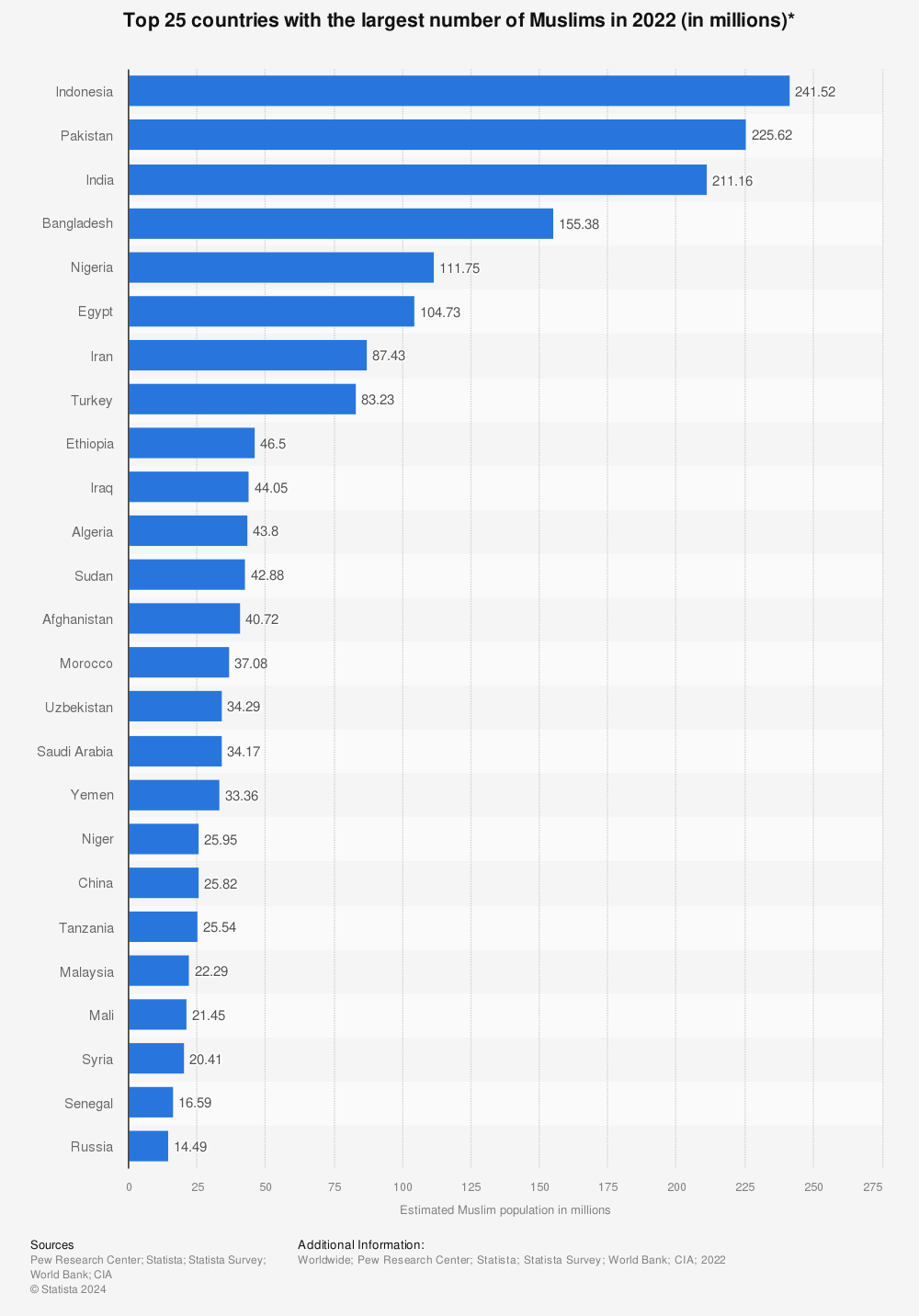
Various Hindu extremist groups and organizations are operating in India, including Hindutva, Rashtrya Swayamsevak Sangh (RSS), Bajrang Dal, and Vishva Hindu Parishad. These groups are working for the Hindu cause, Akhand Bharat, with an agenda of denying other religious minorities their right to practice and traditions. Indian demography comprises more than 200 million Muslims, and these Hindu-extremist organizations are a serious threat to their existence. Muslim women are abused and targeted due to wearing veils and gowns in the Indian streets.
Find more statistics at Statista
Violence Against Women in India
According to the Women Peace and Security Index 2023, published by Georgetown Institute for Women, Peace and Security, India is ranked 128 out of 177 nations for women’s inclusion, justice, and security.
 You will find more infographics at Statista
Conclusion
India needs a constructive approach to address the issues of gender inequality and abuse. Old Indian traditions and extremist ideologies must be terminated from society. The legislative and executive authorities of India must ensure complete security and safety of women without any discrimination based on religion, caste, color, or creed. Legal implementation and societal shifts are significant in eradicating gender-based violence.
If you want to submit your articles and/or research papers, please visit the Submissions page.
To stay updated with the latest jobs, CSS news, internships, scholarships, and current affairs articles, join our Community Forum!
The views and opinions expressed in this article/paper are the author’s own and do not necessarily reflect the editorial position of Paradigm Shift.

Syed Hammad Ali is pursuing a BS in International Relations programme from the International Islamic University, Islamabad, and has a keen interest in research works, policy analysis, defence and strategic studies, and conflict resolution.